Pennsylvania Passes New Law Limiting Game Wardens’ Access to Private Property
Governor Shapiro signs legislation addressing warrantless searches of private hunting land following a landmark Pennsylvania Supreme Court ruling.
 hunterizerdev
Governor Shapiro signs legislation addressing warrantless searches of private hunting land following a landmark Pennsylvania Supreme Court ruling.
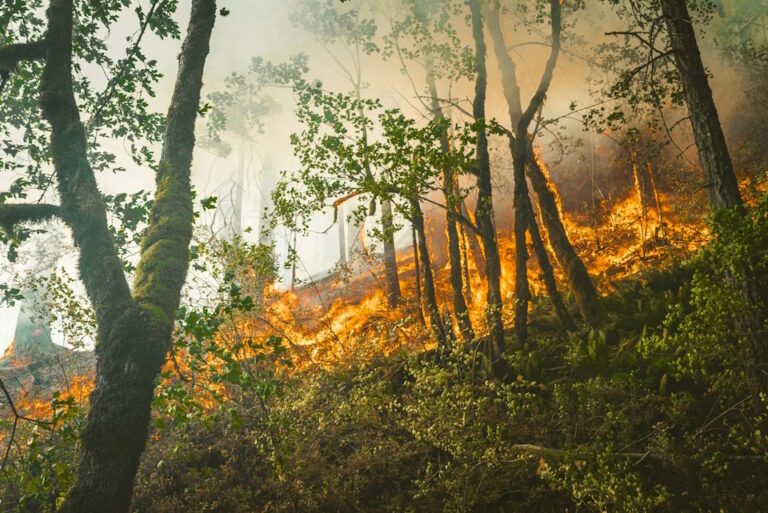
Three major wildfires near Marquette, Craig Lake and Wakefield are increasingly contained, but trail closures, dangerous trees and lingering underground fires remain concerns for deer and upland bird hunters.
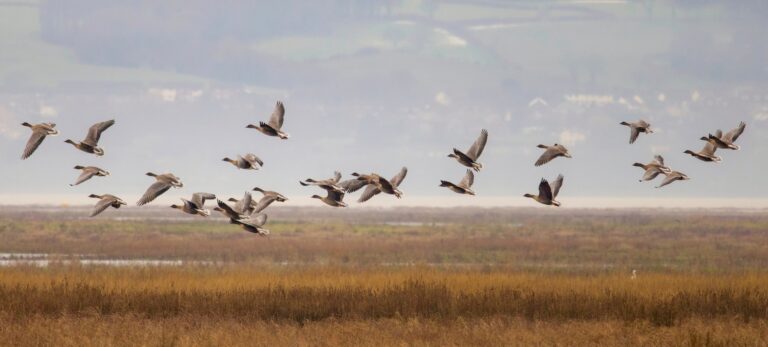
CDFW releases early-season harvest reports from northeastern California, while favorable wetland conditions and local duck production offer encouraging signs ahead of the October 24 opener across most of the state.
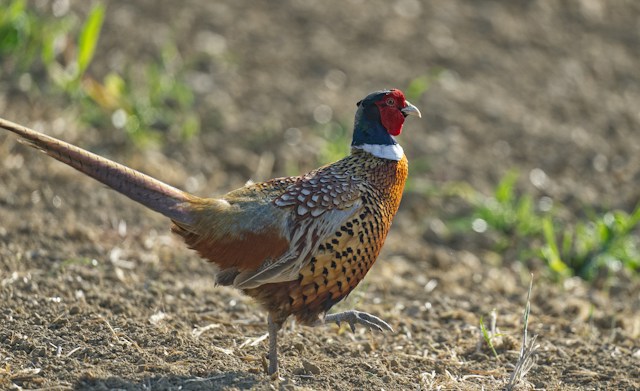
Michigan’s 2026 pheasant season brings new opportunities for upland bird hunters, with state-supported pheasant releases at public hunting areas across southern Michigan.
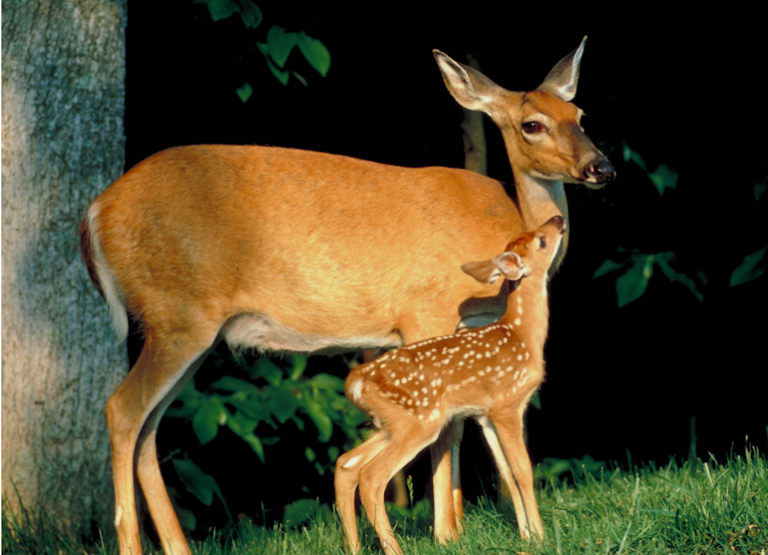
Hunters in parts of Central and Southeast Texas will have 16 days instead of four to harvest antlerless deer during the general season, as wildlife officials respond to growing deer populations and changing management needs.
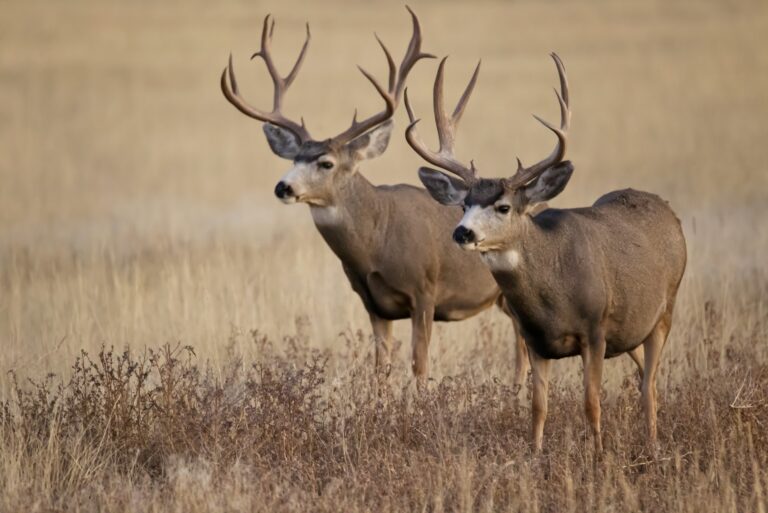
Washington’s 2026 modern firearm deer season begins this Saturday, bringing new opportunities for mule deer and white-tailed deer hunters. But mandatory disease testing, statewide baiting restrictions, and carcass transportation rules require extra attention before heading into the field.
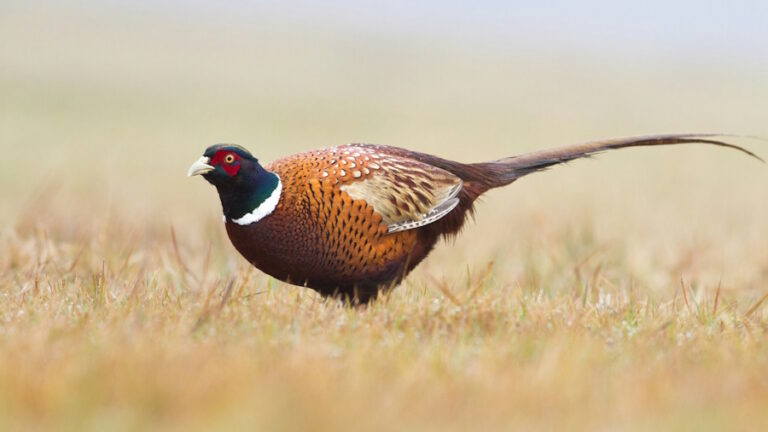
Montana hunters will have new opportunities this fall as thousands of pheasants are released across public hunting lands. Residents get a 10-day head start on many properties, while nonresident hunters face new access restrictions.
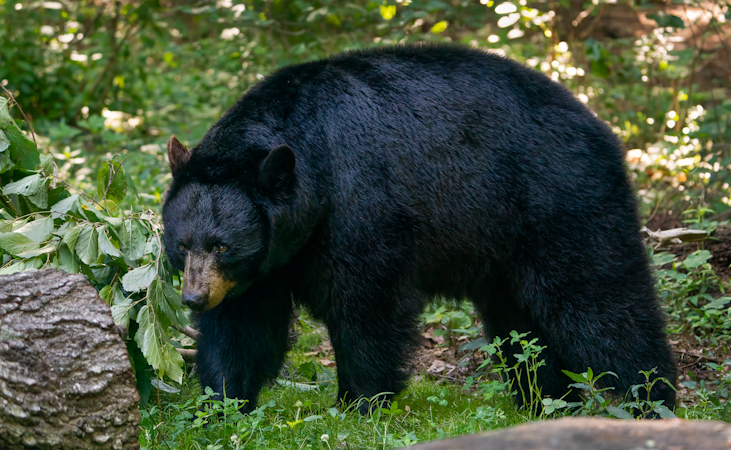
With approximately 19,000 black bears occupying much of Pennsylvania, wildlife managers are balancing expanding bear distribution, hunting opportunities, and increasing encounters with people.
Recent Game Commission decisions will expand hunting access, protect wildlife corridors, and support habitat restoration projects benefiting deer, turkey, waterfowl, woodcock, and other wildlife.
New USDA data offers a look at the other side of wildlife management in California, where federal crews lethally removed predators, feral pigs, geese and other wildlife to protect livestock, agriculture, property and public safety.
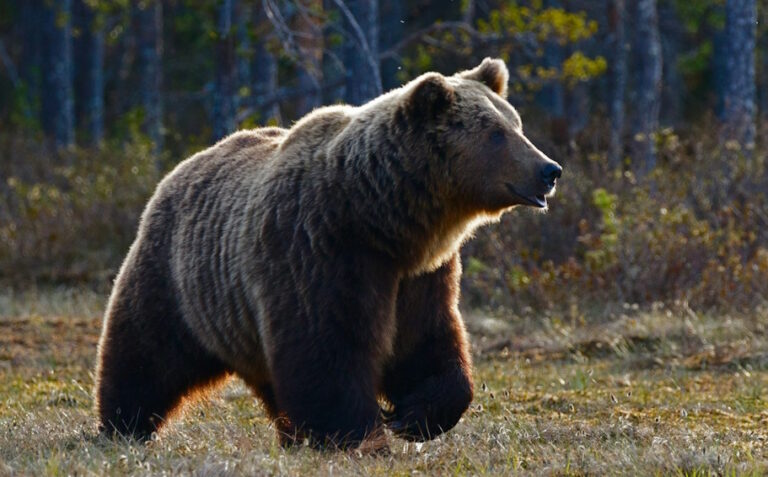
A grizzly was killed during a close encounter near Trego as elevated bear conflicts overlap with Montana’s busy fall hunting seasons
California offers public duck hunting from the Klamath Basin to the Salton Sea — and a reservation isn’t always required. Here’s how Type A and B wildlife areas, federal refuges, reservations, lotteries, sweat lines and walk-in hunting actually work.
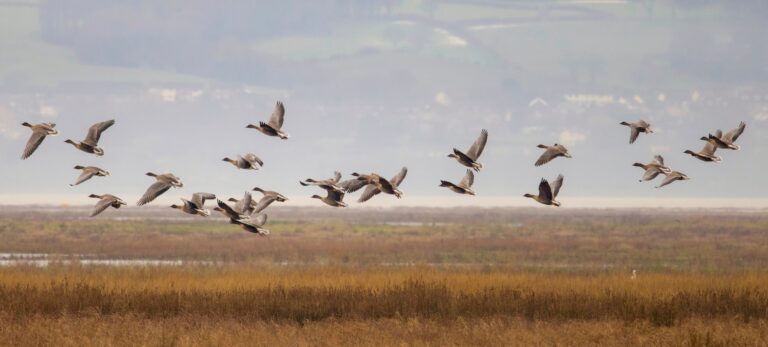
Northeastern California hunters are already in the marsh, while most of the state is preparing for the major October 23–24 openers. Here are the season dates, limits and early conditions California waterfowl hunters should know.
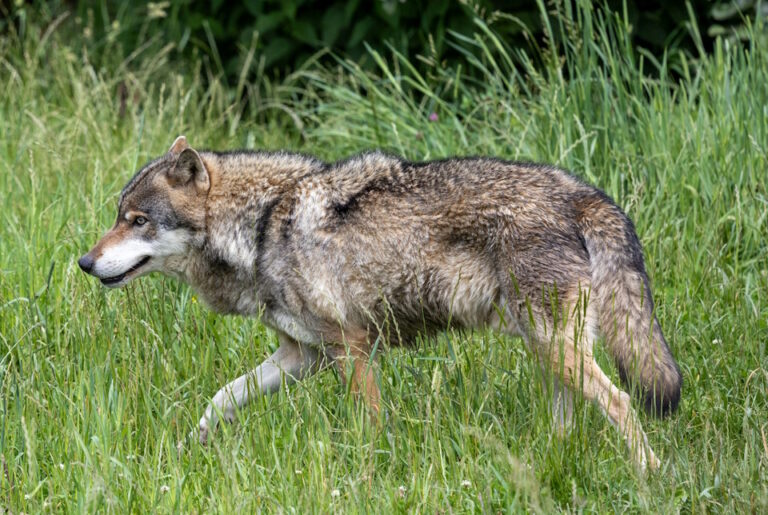
WDFW has removed an adult male and female wolf from the southeast Washington pack in less than two weeks after repeated cattle depredations continued despite nonlethal deterrence efforts.
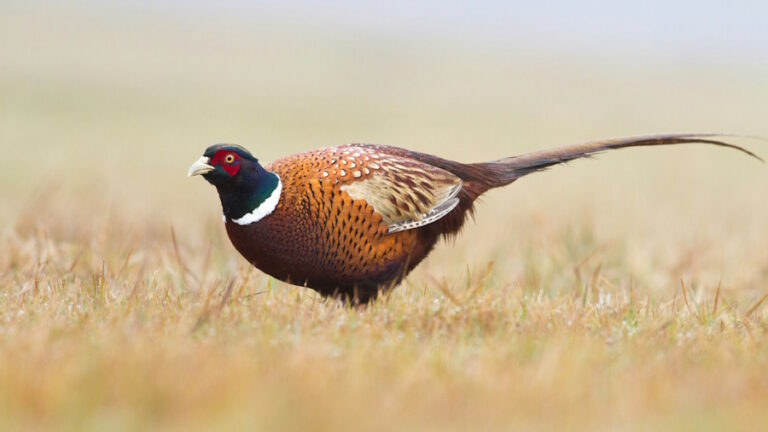
DNR plans to release about 65,000 pheasants this fall, 10,000 fewer than its recent target, while the statewide season opens October 17
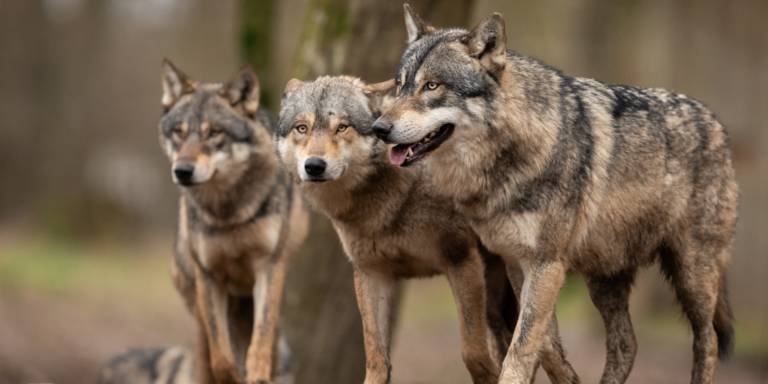
The Price County pack was trapped and euthanized after wolves became increasingly accustomed to people and nonlethal deterrents failed, marking Wisconsin’s first official lethal wolf removal since federal protections returned in 2022
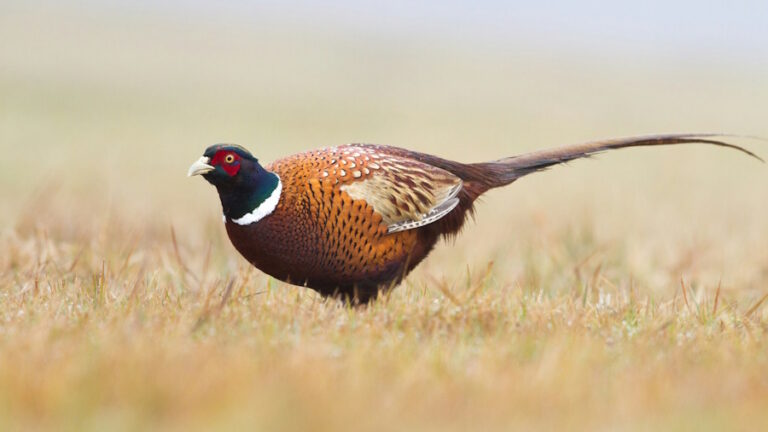
Youth pheasant season opens Oct. 8, followed by the statewide general opener Oct. 15, with stocked hunting opportunities available across all seven Idaho Fish and Game regions
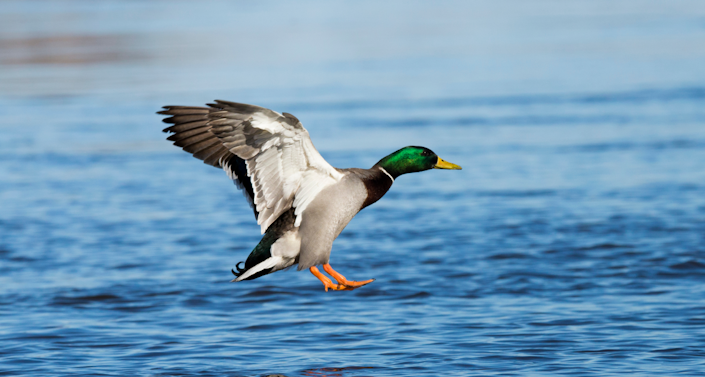
New law creates a dedicated fund for Type A and Type B wildlife areas and strengthens the connection between hunting-generated revenue and management of public hunting lands
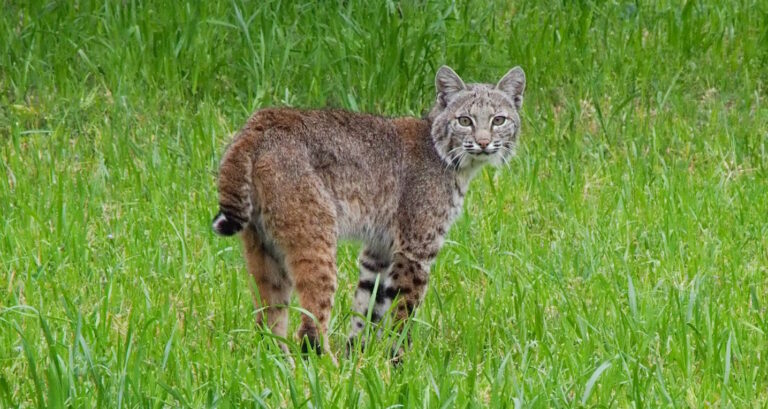
CDFW estimates more than 62,000 bobcats statewide as California reaches a key step required before a future hunting season could be considered
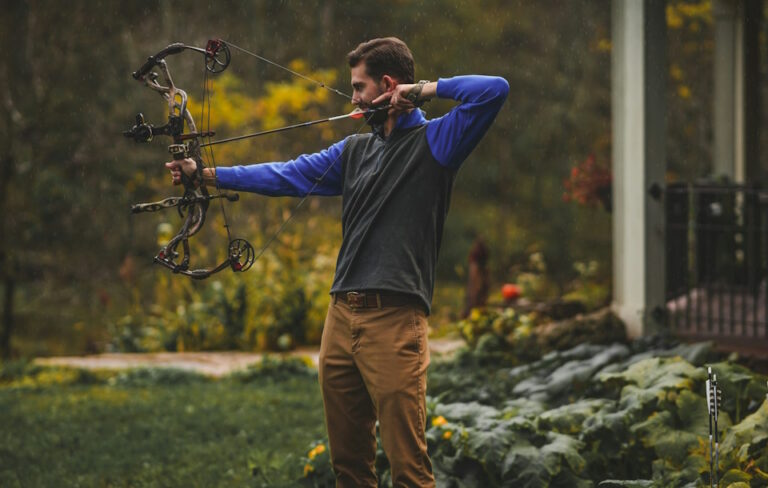
New antlerless limits, digital tagging and disease concerns are among the changes Michigan deer hunters should know before heading into the woods
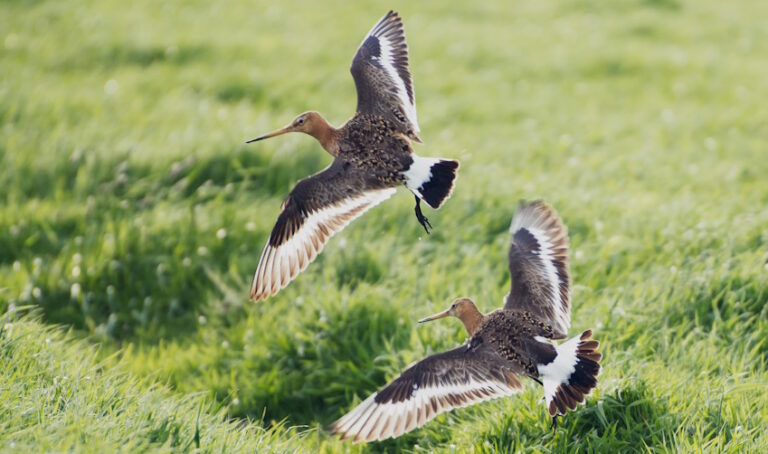
A Kodiak woman harvested three snipe after Google’s AI told her the season was open — highlighting the risks of relying on generic online answers for location-specific hunting regulations

Fish and Wildlife Commission turns down two proposed requirements for hunters and trappers while advancing work on a broader predator-management policy
September Board meeting gives PGC more flexibility over antlerless license sales while approving several land deals that could improve hunting access across Pennsylvania

A new law will allow certain big-game tags to be transferred to young family members, while another recent change expands concealed-carry options during archery deer season. A broader package of new California gun laws will have a more limited effect on licensed hunters.

Nearly two dozen California deer zones are opening to rifle hunting in the final weeks of September, putting the 2026 season into high gear across much of the state
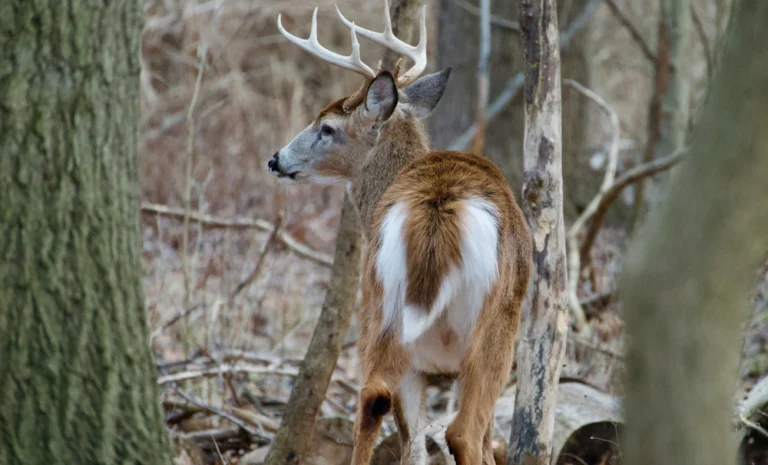
Northern Zone bowhunting opens September 27 and Southern Zone hunting follows October 1, while major new antlerless-deer regulations change how New York hunters can obtain tags and earn a second buck in 2026.
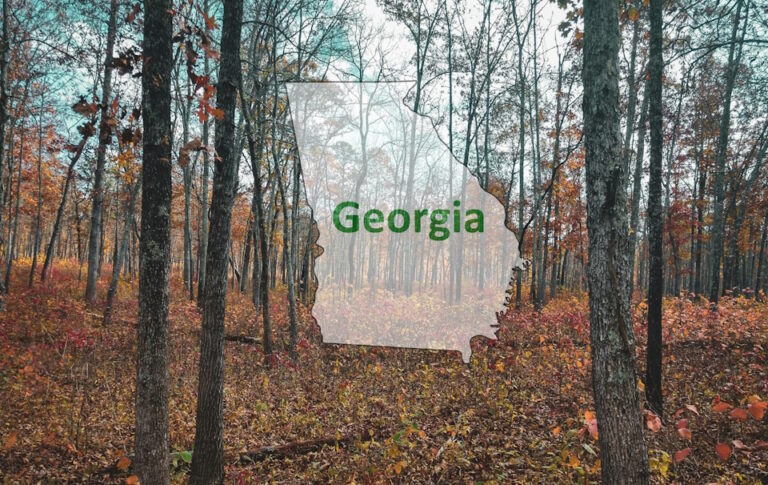
Georgia has reached an agreement to permanently protect most of the former Pine Log Wildlife Management Area, bringing 14,640 acres in Bartow and Cherokee counties back toward public access and hunting. DNR plans to reopen the property in time for spring turkey season in 2027.
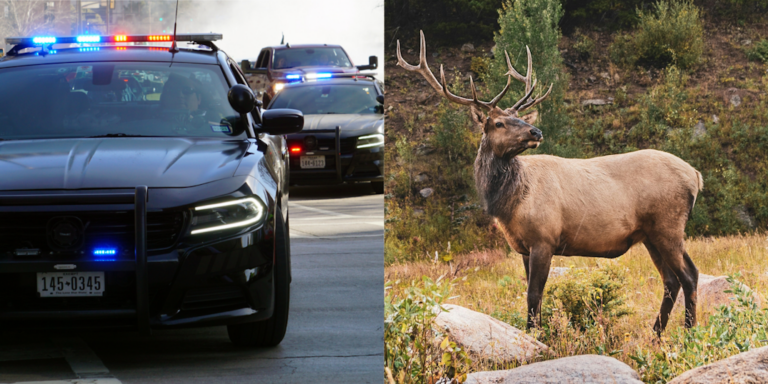
The September incident highlights an important distinction in Idaho’s elk regulations: several seasons may be open in the same unit at once, but the legal sex, weapon and hunt area can be very different.
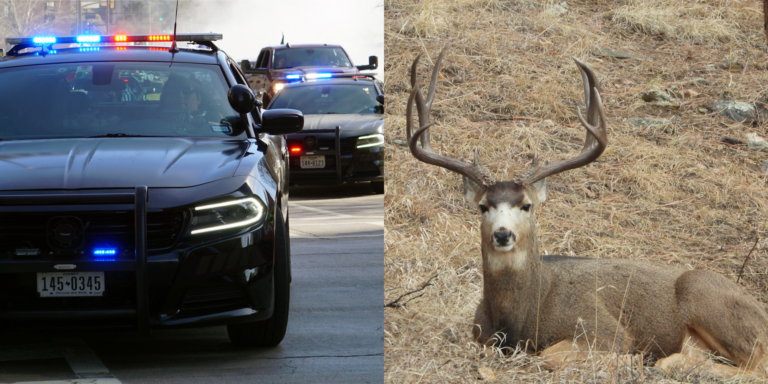
Montana game wardens are asking for the public’s help after a mule deer buck was killed with a firearm north of Hardin and the entire carcass was abandoned weeks before the general deer season opens.
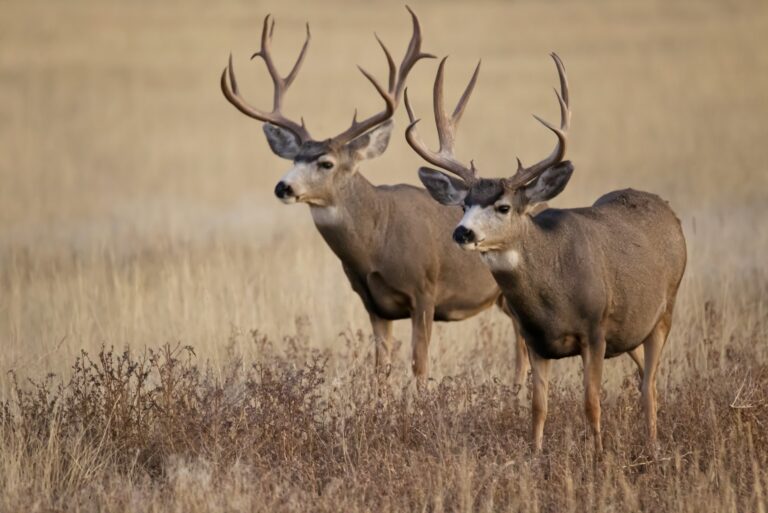
Washington’s 2026 deer seasons are underway, with hunters pursuing mule deer, white-tailed deer and black-tailed deer across dramatically different landscapes. WDFW’s latest hunting forecast points to opportunities across the state, but wildfire impacts, access changes and new CWD requirements will be important considerations this fall.
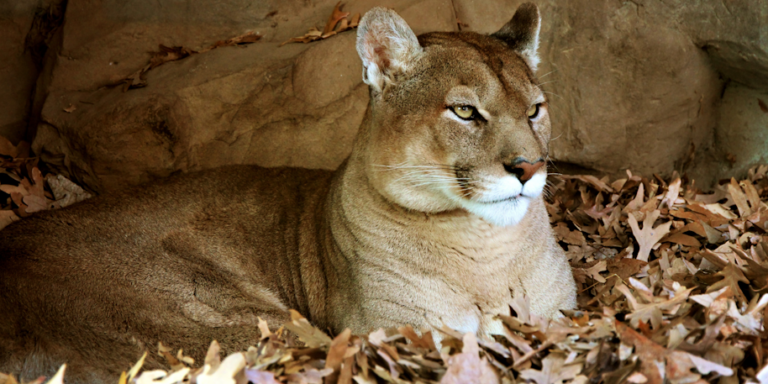
Two Washington cougar hunt areas have already closed after reaching their mortality limits, showing how quickly hunting opportunities can change under the state’s new management system. As of September 24, CHMU 7, covering GMU 124, and CHMU 3, covering GMUs 108 and 111, are closed to cougar hunting.
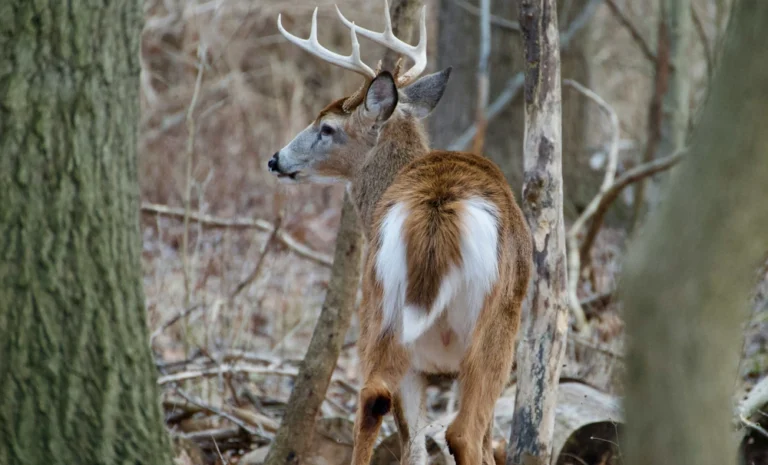
Tennessee’s main deer season gets underway September 26, with new rules allowing deer baiting on qualifying private land, a new straight-wall rifle opportunity, drone recovery and updated CWD restrictions.
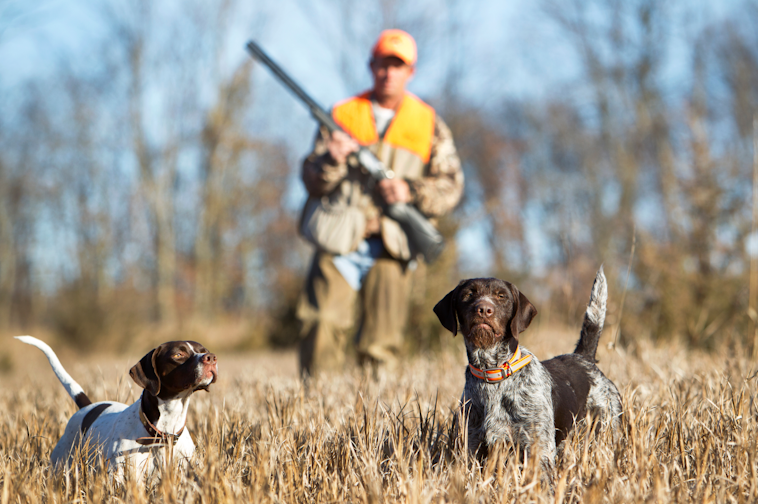
A new 2,850-acre Wildlife Management Area in North-Central Texas and a 2,500-acre expansion on the Gulf Coast will create additional public hunting opportunities for Texas hunters.
New partnership with the International Hunter Education Association-USA aims to bridge the gap between completing hunter education and confidently planning a first hunt
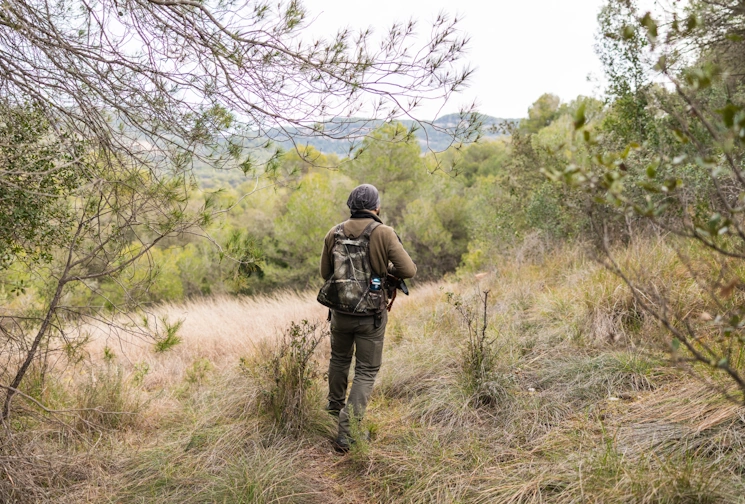
The September 17 order directs federal agencies to expand hunting access, improve access to landlocked public lands, protect the use of traditional lead ammunition, support wildlife habitat and game populations, and encourage more hunting opportunities nationwide.
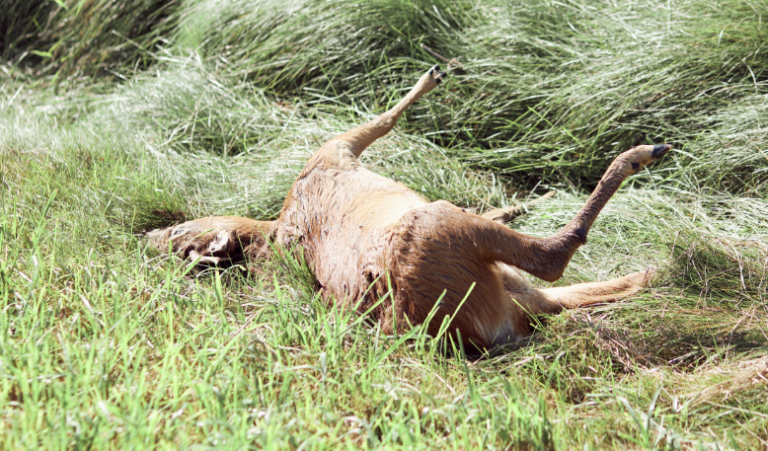
Wisconsin’s largest recorded EHD outbreak has expanded across five southeastern counties, with more than 1,500 sick or dead deer now reported as archery and crossbow hunters head into the field.
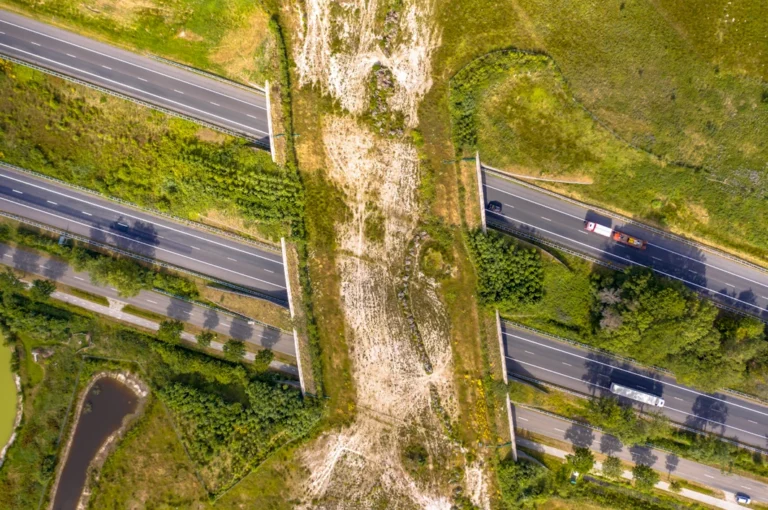
Major wildlife crossings are nearing completion or moving forward across California, including projects designed specifically to reconnect deer, elk and desert bighorn sheep habitat divided by highways.
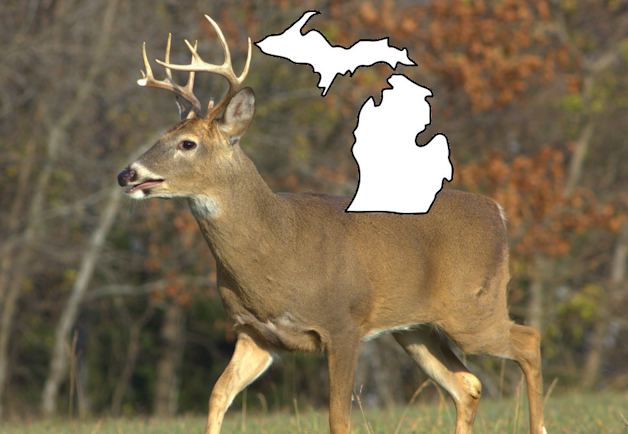
EHD has been detected in deer in Branch, Ingham, Jackson and Lenawee counties, and hunters are being asked to report sick or dead deer as officials track the outbreak ahead of Michigan’s fall deer seasons.
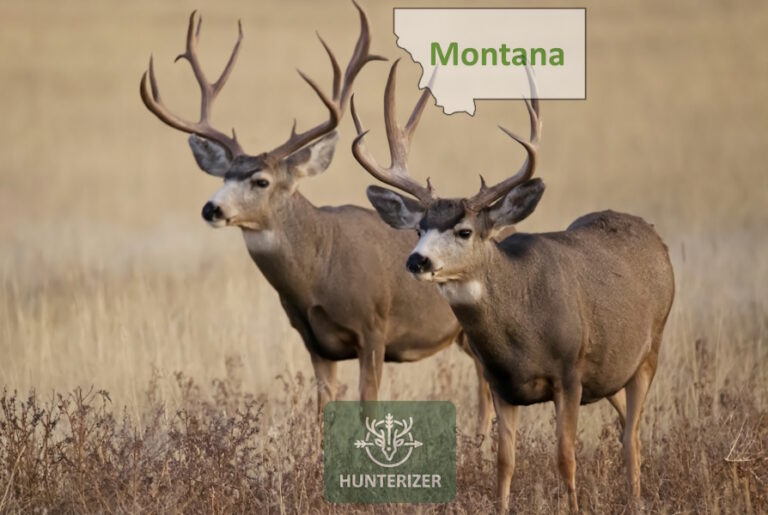
Elk remain strong across much of Montana, mule deer are showing encouraging recovery in several regions, and pronghorn numbers are booming in parts of eastern Montana. Here is what FWP’s 2026 surveys say about hunting prospects across Regions 1 through 7.
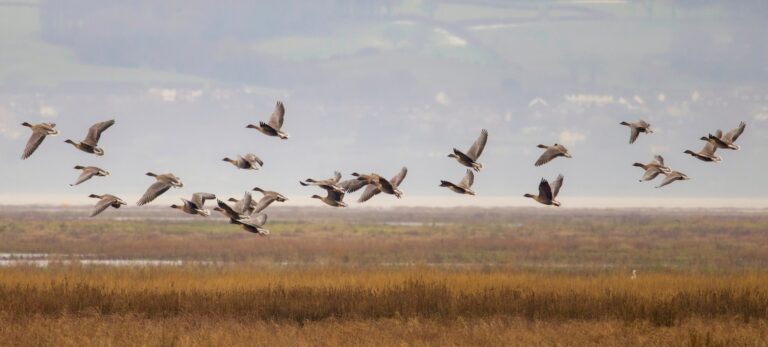
USFWS estimates 33.4 million breeding ducks across the traditional survey area, with mallards and pintails declining but improving prairie water conditions offering some encouraging news for hunters heading into the 2026–27 season.
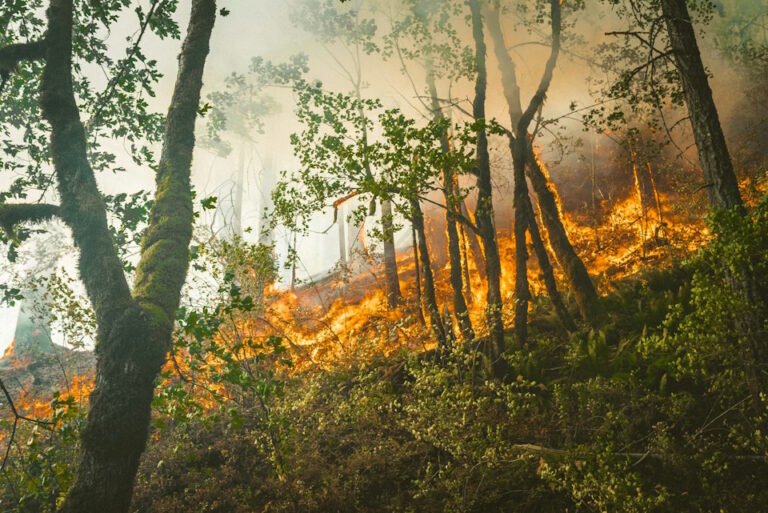
Wildfire near the Lake-Mendocino county line has burned roughly 3,500 acres, prompting evacuations and an emergency closure in Mendocino National Forest as California hunters head into the field.
Idaho’s 2026 deer seasons are getting underway, and hunters in several parts of the state face mandatory Chronic Wasting Disease testing requirements. Two additional units were added this year, while special carcass-transport restrictions remain in effect in Idaho’s designated CWD Management Zones.
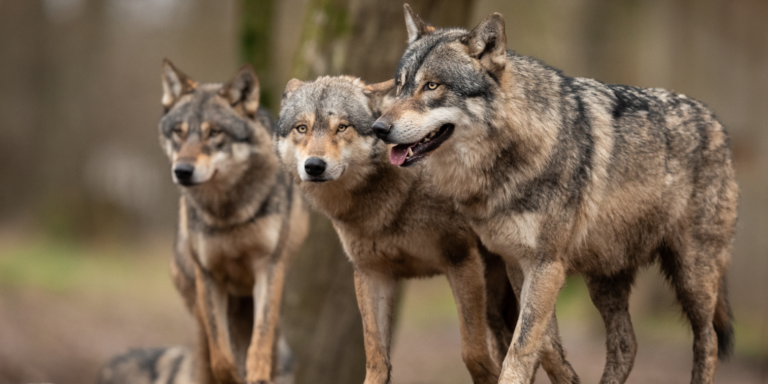
A new executive order gives the Interior Department 90 days to determine whether gray wolves have recovered enough to lose federal protections, potentially reopening the door to state-managed wolf hunting in Wisconsin, Michigan and other states.
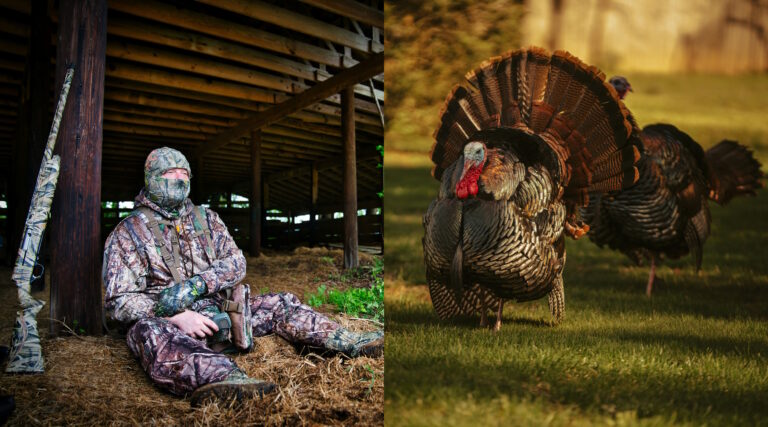
A Racine County sheriff’s deputy faces four felony charges after prosecutors say he allowed his 3-year-old daughter to pull the trigger on a shotgun aimed at what he believed was a turkey during Wisconsin’s 2026 youth hunt. Two nearby hunters were hit, including a 7-year-old boy who suffered serious head injuries.
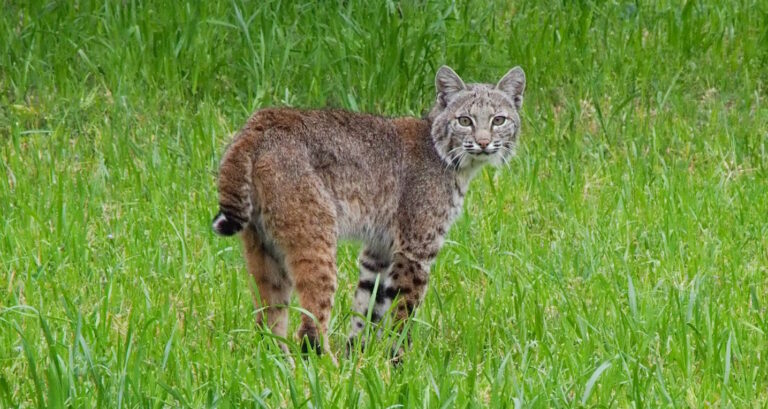
A new CDFW study finds California’s bobcat population is stable. A management plan expected this fall could determine whether the state will consider allowing bobcat hunting again.
Pennsylvania’s 2026–27 hunting calendar gets busy in September, starting with mourning dove and Canada goose on Sept. 1 and followed by squirrel hunting and special youth waterfowl opportunities later in the month.
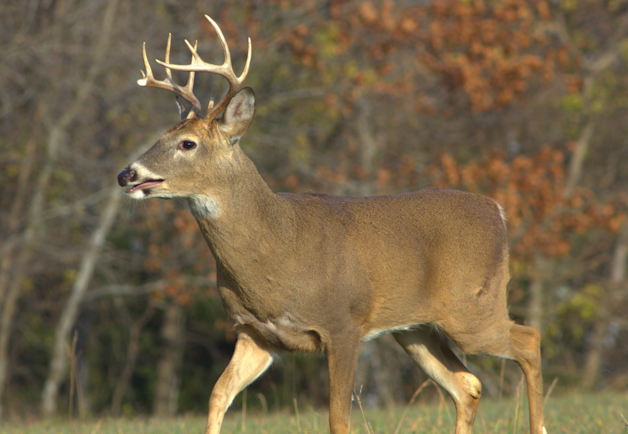
More than 100 suspected deer deaths have been reported in southeastern Wisconsin, with wildlife officials warning the 2026 outbreak could become one of the state’s largest on record.
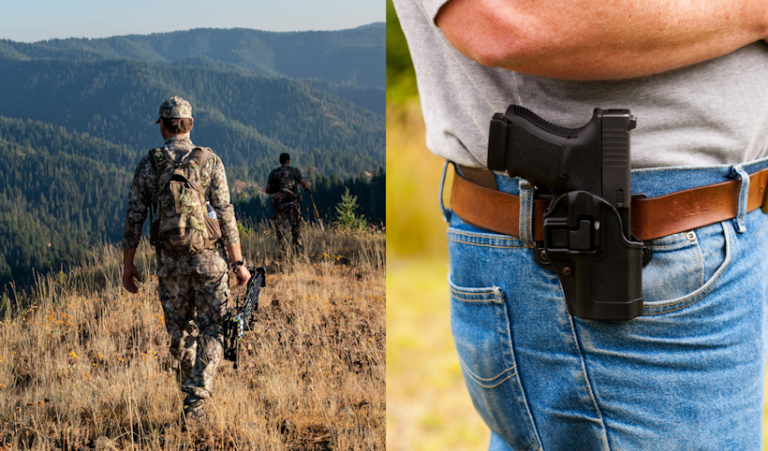
Starting in 2027, California deer bowhunters will no longer face a decades-old Fish and Game Code provision prohibiting them from carrying a firearm during archery season.
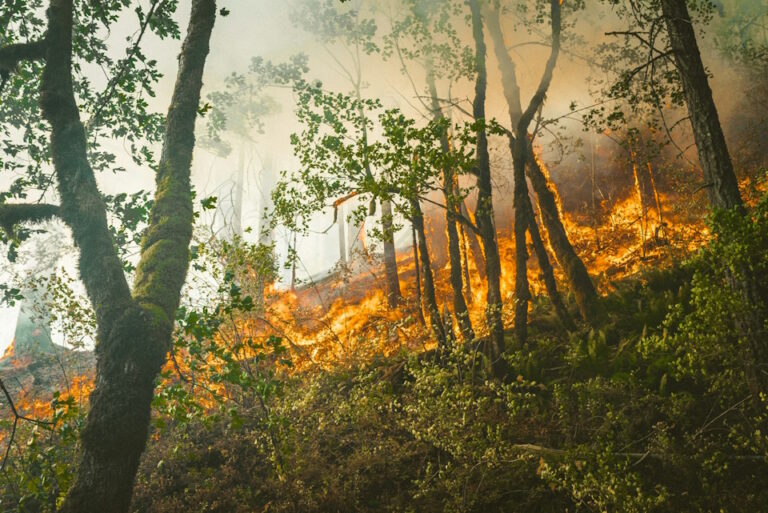
Major fires have affected hunting areas in Southwest Idaho, but hunting seasons remain open. Hunters should check fire maps, road closures and public-land restrictions before heading into the field.
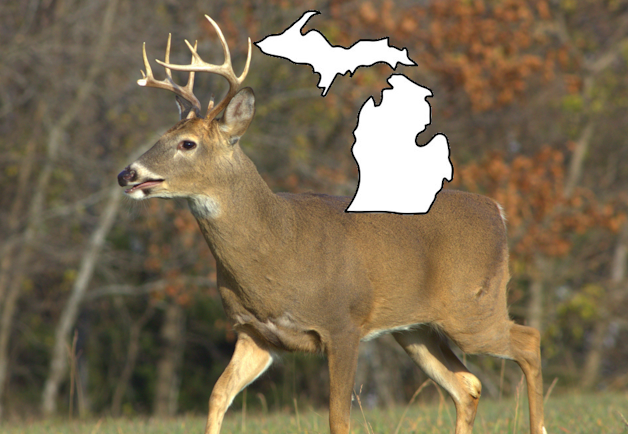
Firearm rules, antlerless licenses, December seasons and tagging are all changing this fall. Here is what Michigan hunters need to know before heading into the woods.
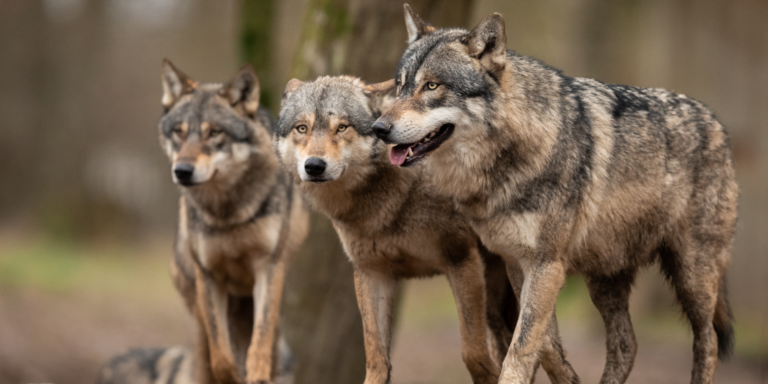
Montana has significantly reduced its wolf harvest quota for the upcoming season after a new population model estimated substantially fewer wolves in the state. Hunters will also see new regional quotas and other changes to wolf regulations for 2026–27.
The Trump administration is moving forward with eliminating a 25-year-old rule restricting road construction and logging across more than 44 million acres of national forests. For hunters, the debate is complicated: more active forest management can improve habitat and reduce hazardous fuels, while new roads can fragment some of the best remaining backcountry habitat in the West. Hunting and conservation organizations are divided over how the Forest Service should proceed.

Hunters in 27 states can now potentially buy qualifying suppressors without a Form 4 or ATF approval, while another 15 states still require the NFA process and eight states continue to prohibit suppressors under state law.
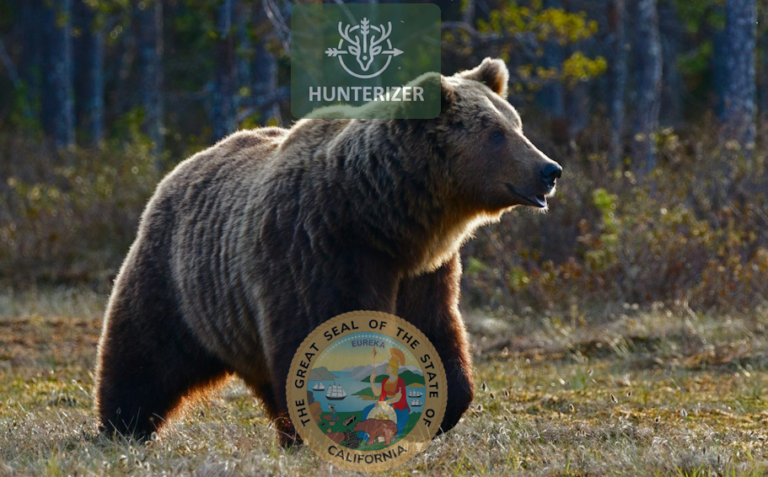
SB 1305, which would have required California to develop a roadmap for potentially returning grizzly bears to the state, failed to advance from the Assembly Appropriations Committee
A long-running independent investigation found violations of transparency and conflict-of-interest rules involving members of the Washington Fish and Wildlife Commission, adding another chapter to years of controversy over the commission and wildlife management in the state.
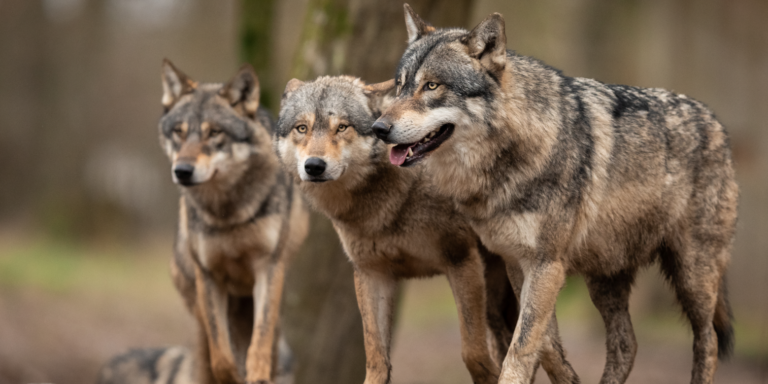
New trail-camera research gives wildlife managers a year-round look at Michigan’s wolves, while the latest winter survey estimates a minimum population of 792
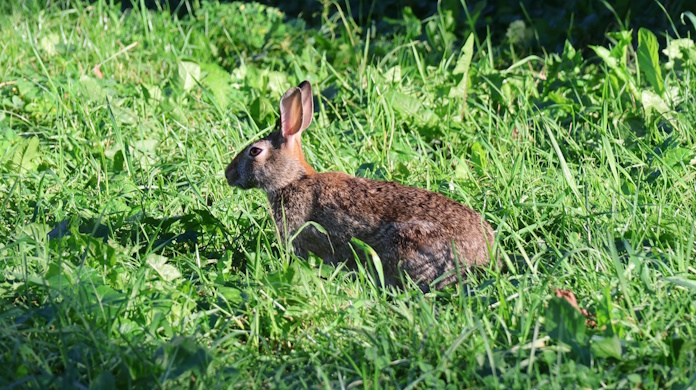
Three feral rabbits in Billings tested positive for RHDV2, a highly contagious and often fatal disease that can also infect Montana’s wild cottontails, jackrabbits and snowshoe hares.

Washington hunters can weigh in on potential changes affecting deer, elk, moose, waterfowl, turkey, small game, hunting methods and other regulations before WDFW develops its formal proposals.

CDFW uses aircraft, night-vision technology, and multi-agency teamwork to catch alleged poachers targeting wild pigs after dark
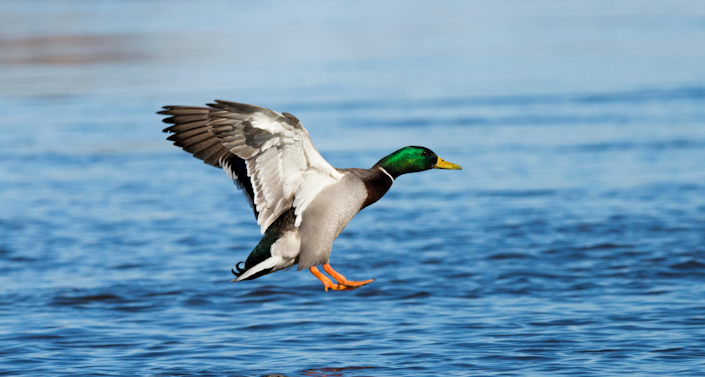
CDFW survey points to stable mallards, fewer ducks overall, and promising habitat despite a dry year
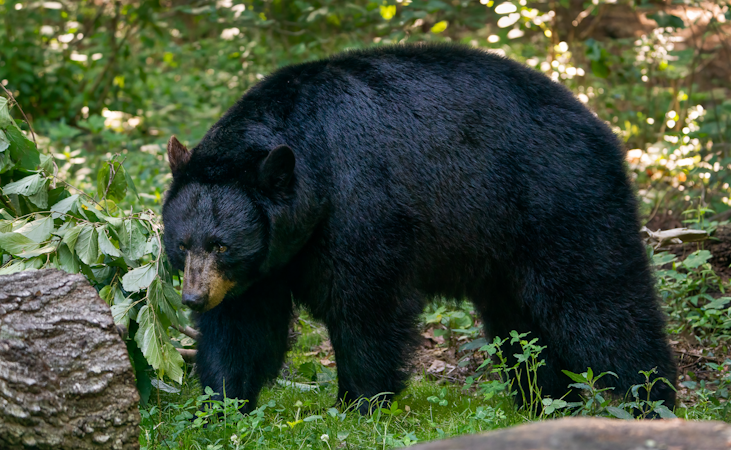
A prohibition dating back to 1985 could be removed, potentially opening more than 10,000 acres of state-managed land to bear hunters in Michigan’s Newberry Bear Management Unit.
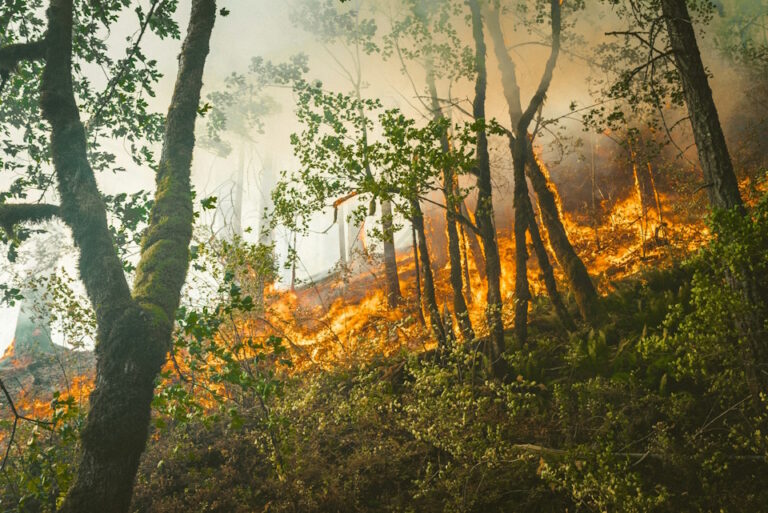
Multiple major wildfires have triggered closures across eastern Washington, while drifting smoke is affecting hunting conditions in northern Idaho ahead of the fall seasons.

Hunterizer users can now find First Hunt Foundation mentors directly on the map, making it easier to connect with experienced hunters and learn from them.
Illegal hunting activities spanning Jefferson, Madison, and Gallatin counties end with convictions and hunting privilege suspensions

Recent wolf attacks on hunting dogs have renewed debate over wolf management, hunter safety, and the growing challenges of balancing conservation with Wisconsin’s outdoor traditions.

The Hunterizer app now includes Georgia’s complete 2026–2027 hunting seasons, regulations, and interactive hunting maps, making it easier than ever for hunters to know what they can legally hunt today anywhere in the state.

Michigan DNR says investigation began with a Report All Poaching tip and uncovered months of alleged illegal hunting activity in Clinton and Gratiot counties.

Idaho Fish and Game urges hunters and outdoor recreationists to stay alert in bear country as summer activity peaks

A controversial initiative that would have dramatically expanded animal protections and threatened hunting, fishing, trapping, and livestock production has failed its initial signature verification, keeping it off Oregon’s November ballot unless a secondary review changes the outcome.

Operation Game Thief report leads to multiple wildlife charges, highlighting the importance of following Texas hunting and wildlife possession laws.

All migratory bird seasons are now live in the Hunterizer app, including updated goose hunt areas, expanded sandhill crane opportunities, and the latest Idaho Fish and Game regulations.

Washington hunters can now access the latest 2026–2027 seasons and regulations for waterfowl, upland birds, small mammals, and furbearers in the Hunterizer app, building on the previously released big game seasons.

New York hunters can now plan nearly their entire 2026–2027 season with Hunterizer. The latest update adds season dates, regulations, maps, and hunting information for 44 New York species, covering everything from deer and bear to waterfowl, furbearers, and even frogs and snapping turtles. The only remaining holdout is turkey, as the New York State Department of Environmental Conservation (DEC) has not yet released the 2026–2027 turkey seasons.

Idaho hunters planning to pursue one of the West’s most iconic upland birds should mark their calendars. The Idaho Fish and Game Commission has officially adopted the 2026 sage-grouse hunting season, and tags will once again be available on a first-come, first-served basis beginning August 1. With tag numbers reduced in several areas this year, hunters who want to chase sage-grouse should act quickly.

The U.S. Court of Appeals for the Third Circuit has issued one of the most significant Second Amendment rulings in recent years, striking down New Jersey’s ban on so-called “assault firearms” and magazines holding more than 10 rounds. Because Pennsylvania is also within the Third Circuit, the decision could have important implications well beyond New Jersey—even though it does not immediately change Pennsylvania law.

Colorado Parks and Wildlife (CPW) commissioners voted to reject a proposal that would have prohibited the commercial sale of fur from legally harvested wildlife in Colorado, siding with wildlife managers who argued there was no scientific justification for the ban. The decision preserves an important source of value for hunters and trappers while continuing the state’s regulated management of furbearer species.

One of the largest public land acquisitions in Michigan’s Lower Peninsula in decades has turned an exclusive private hunting property into land every hunter can enjoy.

Idaho hunters will see fewer sage-grouse tags available this fall after the Fish and Game Commission approved the 2026–27 seasons during its July meeting. The changes reflect lower lek counts across the state and include a new fixed season opener designed to simplify regulations.

Hunters won’t see grizzly seasons return yet, but the proposal could give western states much greater authority to manage bears and respond to conflicts.

Pocatello-area wildlife officials are investigating an outbreak of canine distemper in raccoons after receiving nearly daily reports of sick animals over the past several weeks. While the disease does not infect humans, it poses a serious threat to raccoons and unvaccinated hunting dogs, making it important for Idaho hunters to recognize the symptoms and avoid contact with infected wildlife.

Two new studies from UC Davis suggest cattle now make up more than half of the summer diet of some California wolf packs, while researchers also found wolves can affect livestock even without making a kill.

The Pennsylvania House of Representatives has voted 180–22 to approve House Bill 2460, a bipartisan proposal that would allow public schools to offer hunter and trapper education courses to students in grades 6 through 12. If the bill becomes law, it could help introduce a new generation of Pennsylvanians to safe, ethical hunting and wildlife conservation.

Idaho resident hunters planning a general-season elk hunt in one of the state’s popular capped elk zones should be ready this week. Most resident capped elk tags go on sale at 10:00 a.m. MDT on Tuesday, July 8, while the highly sought-after Sawtooth Zone tags become available on Friday, July 10.

The federal government argues California’s new Glock restrictions and handgun roster violate the Second Amendment, setting up a major legal battle that could affect firearm sales statewide.

A newly proposed bill would give the Pennsylvania Game Commission the authority to deny or revoke hunting licenses for people convicted of animal cruelty or who engage in the torture or cruel treatment of wildlife. Supporters say the measure targets unethical behavior—not lawful hunting—and aims to protect the reputation of Pennsylvania’s hunting community.

California hunters will lose access to millions of acres of popular private timberlands starting June 22, just weeks before many summer hunting opportunities and ahead of the 2026 deer seasons. The closure, a now-familiar annual wildfire precaution, could remain in place well into the fall unless fire conditions improve.

A lawsuit filed by two Montana lawmakers and hunting organizations could reshape wolf management in the state by requiring Montana Fish, Wildlife & Parks (FWP) to adopt more aggressive hunting and trapping regulations. A recent court ruling allows the case to move forward, setting the stage for a closely watched legal battle over how wolves should be managed in Montana.
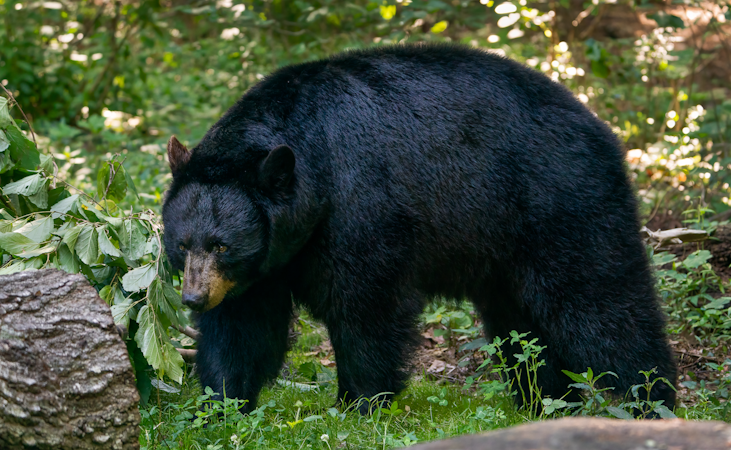
Once nearly eliminated from the Lone Star State, black bears are steadily returning to parts of Texas through natural recolonization. Recent sightings in East and South Texas highlight a conservation success story, but they also raise new questions for hunters, landowners and wildlife managers as bears expand into areas where they haven’t been seen for generations.

Pennsylvania hunters can begin purchasing 2026–27 hunting and trapping licenses on June 22, marking the start of a new license year that includes increased antlerless deer allocations, multiple deer license sale rounds, and several important changes hunters should know before heading into the fall seasons.

A southeastern Idaho man has been sentenced to prison and permanently lost his hunting privileges after investigators uncovered an illegal guiding and poaching operation responsible for multiple unlawful big game kills. The case highlights the serious consequences Idaho courts can impose for wildlife crimes involving commercial gain, illegal guiding, and convicted felons possessing firearms.
A new bipartisan bill introduced in Congress could deliver billions of dollars for public land access, road repairs, trail improvements, and hunting infrastructure across the country.

Idaho hunters will soon have more options when plans change. Beginning July 1, 2026, new laws will make it easier to exchange certain hunting tags while also introducing major changes to lifetime license eligibility. Idaho Fish and Game is encouraging hunters to review the updates before fall hunting seasons begin.

A Montana Fish, Wildlife & Parks advisory committee spent two days discussing one of the most controversial public-access issues in the West: corner crossing. While no immediate policy changes emerged from the June 1–2 meeting, the debate over access to nearly 871,000 acres of corner-locked public land in Montana is far from over.

New and aspiring deer hunters have until July 1 to apply for a mentored hunting experience at one of Wisconsin’s premier wildlife properties.

A controversial proposal that could eventually lead to the return of grizzly bears to California has cleared the state Senate. While supporters describe the measure as a scientific assessment process, opponents—including ranching groups, rural lawmakers, and many hunters—see it as the first major step toward bringing grizzlies back to the Golden State.

Citizen Tip Leads Wardens to Illegal Harvest of a 182-Inch Whitetail Before Montana’s Archery Season Opened

California hunters can now access newly adopted 2026–2027 seasons and regulations for waterfowl, upland birds, small mammals and furbearers in the Hunterizer app. The update follows earlier additions of 2026–2027 big game seasons and introduces new features including species-specific zone maps and after-harvest requirement guidance.

An 11-month investigation into the alleged illegal killing of at least 13 white-tailed bucks has resulted in 74 criminal charges against a New Braunfels man. While the alleged poaching occurred during 2024 and 2025, the case became public in May 2026 when Texas Game Wardens announced the completion of their investigation and the filing of charges.

Pennsylvania Hunters Can Now Access Seasons and Regulations for Ducks, Geese, Migratory Birds, and Furbearers in the Hunterizer App
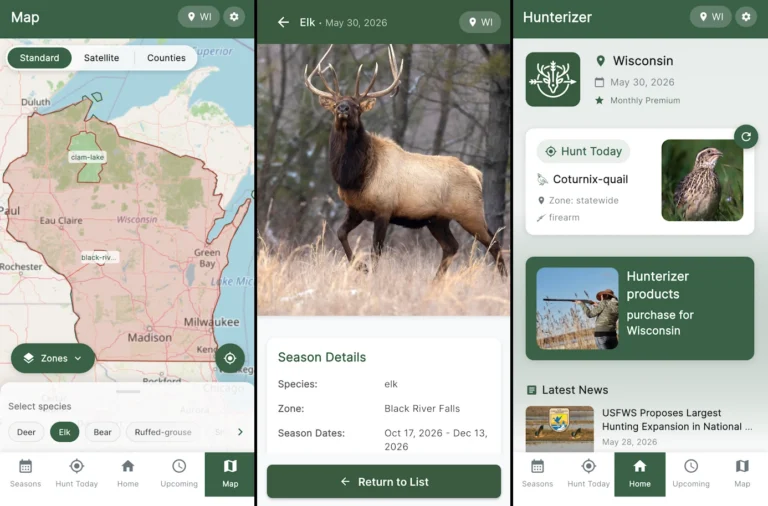
Wisconsin hunters have just days left to apply for one of the state’s most coveted hunting opportunities. As the May 31 elk application deadline nears, new data shows Wisconsin’s elk population has reached a record high, leading to the largest elk harvest quota in state history for the 2026 season.
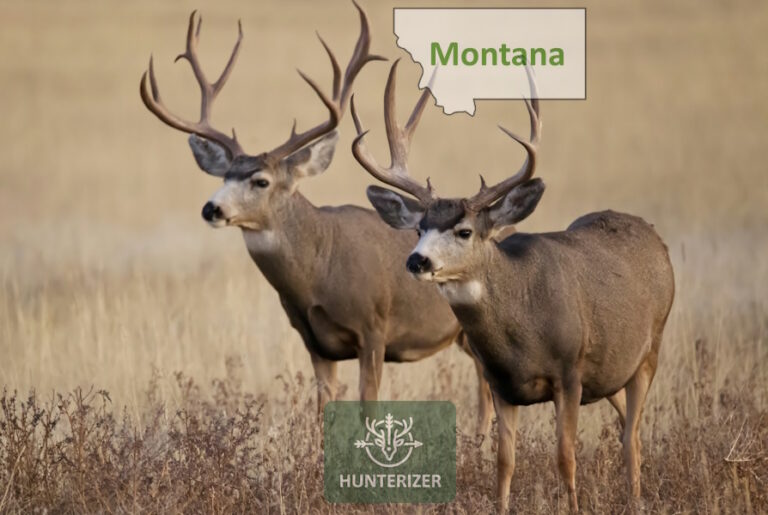
Spring surveys in eastern Montana delivered encouraging news for mule deer hunters, with strong increases reported in both the northeast and southeast. While some regions are seeing improving numbers after several favorable winters, mule deer populations remain below long-term averages in parts of the state and recovery continues to vary by region.

Idaho hunters have only a few days left to apply for many of the state’s most sought-after controlled hunts. Applications for fall 2026 controlled hunts close June 5, covering species including elk, deer, pronghorn, black bear, turkey and swan.

Federal proposal could expand hunting and fishing opportunities across more than 92 million acres nationwide, including refuges in every state currently supported by the Hunterizer app.

A newly introduced bill in Lansing could set the stage for a Michigan wolf hunting and trapping season—but only if gray wolves are removed from the federal endangered species list first. For Michigan hunters, it’s the clearest legislative push yet toward restoring state wolf management authority.

Texas hunters and trappers could soon face a new reporting requirement for every mountain lion harvested in the state. The proposal would not create a season, bag limit, or new restrictions on pursuing lions—but it would add mandatory reporting and biological sample submission for the first time.
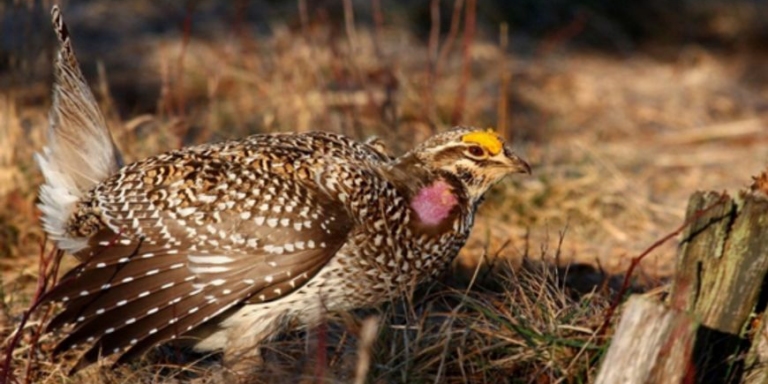
After a rare return in 2025, Wisconsin’s sharp-tailed grouse hunt appears likely headed back to the sidelines in 2026. The state’s fragile sharptail recovery remains a conservation balancing act, with hunting only possible when bird numbers can support it.

California hunters are running out of time to get into one of the state’s biggest annual draws. The deadline to submit applications for California’s 2026 Big Game Drawing is 11:59:59 p.m. on June 2, covering opportunities for deer, elk, pronghorn antelope and desert bighorn sheep. At the same time, hunters can start purchasing their 2026–2027 California hunting licenses, validations, bear tags, and other access passes for the upcoming season.

Michigan hunters and trappers have a major new update to work with: the Michigan DNR has released its 2026–2027 waterfowl and fur harvester regulations, and Hunterizer has already updated the app with the latest seasons, regulations, zone maps, and compliance details. With big game seasons already live and more species updates on the way, Michigan hunters can now plan much of their season from one place.

The U.S. Senate has confirmed Steve Pearce as the new Director of the Bureau of Land Management, putting a longtime advocate of energy development and “multiple-use” public land policy in charge of one of the largest land management agencies in the country. For hunters, the appointment could bring meaningful changes to access, habitat management, and the future of public land policy across the West.

A spring black bear hunt in eastern Idaho turned into a life-or-death encounter when a grizzly charged a hunter and his young son near Ashton. Idaho Fish and Game ruled the shooting a lawful defense-of-life incident—another reminder that some of Idaho’s best bear country is also grizzly country.

Michigan deer hunters are looking at some of the biggest regulation changes in years. State regulators have approved a new one-buck limit for the Lower Peninsula beginning in 2027, while the long-standing firearm zone boundary—better known as the “rifle line”—is going away for the 2026 season.

A multi-state poaching investigation that began with an illegal road-hunting stop in East Tennessee has ended with convictions, steep fines, and hunting privilege suspensions. Wildlife officers say the case is a reminder that poaching doesn’t just break the law—it steals opportunity from ethical hunters.
Montana hunters are now watching one of the most consequential public land access battles in recent years. After Montana officials publicly reaffirmed that corner crossing is illegal, two major access advocacy groups responded with a lawsuit seeking to overturn that position and secure access to hundreds of thousands of acres of public land currently considered corner-locked.

Montana hunters who applied for once-in-a-lifetime species can now see whether they drew a coveted 2026 tag. With moose, bighorn sheep, mountain goat and bison results posted, attention now shifts to the next major deadlines for elk B, deer B, antelope, mountain lion and other opportunities across the state.

Texas hunters don’t have to wait for the full regulation booklet in August to start planning fall. With Texas Parks and Wildlife Department officially publishing 2026–2027 hunting season dates, Hunterizer has already updated Texas in the app—adding the new seasons, regulation changes, and a major new feature: species-specific zone maps.

A missing hiker was found dead near Glacier National Park after authorities launched a backcountry search operation. Investigators say injuries and evidence at the scene point to a likely bear attack, underscoring the risks hunters and outdoorsmen face during Montana’s spring bear activity period.

The Trump administration is moving quickly to remove or scale back hunting and trapping restrictions across dozens of federal land units where hunting is already allowed. The policy shift could affect hunters in several states supported by Hunterizer, including California, Texas, Montana, Idaho, Michigan, and others, while also raising debate over public safety, habitat protection, and the role of federal land managers.

A Texas man was sentenced this week in federal court after investigators connected him to a large illegal eagle trafficking operation centered on Montana’s Flathead Indian Reservation. Federal authorities say the broader case involved thousands of illegally killed birds, including bald and golden eagles sold on the black market.

Michigan hunters can now apply for elk and bear licenses, with the application period opening May 1 and running through June 1. At the same time, Hunterizer has rolled out updated 2026 season dates and regulations for both species in its app.

Hunterizer has added Idaho and Tennessee to its Seasons App, marking a major milestone as the platform now supports 10 states. Hunters in both states can instantly see what’s in season anywhere, any day—along with detailed regulations built for real-world use.

Idaho hunters preparing for the 2026 season should be aware of a significant new law restricting the use of certain technologies commonly used for sco…

Montana hunters still have time to apply for several of the state’s most sought-after big game licenses, but the first major deadline is fast approaching. Applications for moose, bighorn sheep, mountain goat and bison are due May 1, followed by elk B, deer B and antelope applications due June 1. Here’s what hunters need to know about where to apply and how the process works.

The Michigan Department of Natural Resources has announced the three lucky winners of the 2026 Pure Michigan Hunt drawing. Each winner receives a once-in-a-lifetime opportunity to hunt multiple big game species across Michigan during the 2026 seasons.

Hunterizer has officially released Idaho hunting seasons, adding one of the West’s premier big-game states to its growing lineup. Idaho hunters—and traveling hunters planning western adventures—can now instantly see what’s open to hunt anywhere in the state, on any day of the year.

A Tennessee man has permanently lost hunting and fishing privileges following multiple poaching cases across western Montana. The convictions stem from several illegal kills, license violations, and trespassing incidents that occurred over multiple seasons.

California’s latest 2026 wolf depredation investigations report confirms continued livestock losses and expanding wolf territory across Northern and Sierra Nevada regions. Year-over-year increases in depredation incidents and wolf population estimates highlight growing overlap with major California deer hunting zones.

A major court filing in April could accelerate the legal battle over California’s 11% excise tax on firearms, ammunition, and parts. While the tax remains in effect, gun owners, hunters, and retailers are watching closely as the case moves toward a potential decision that could reshape firearm costs statewide.

Texas Parks and Wildlife Department has approved new identity and residency verification rules for purchasing hunting and fishing licenses, beginning with the 2026–2027 license year. The change is designed to prevent residency fraud and protect resident pricing, but it will also affect how some hunters—especially those purchasing in person—verify their eligibility.

Montana hunters can now check their 2026 elk and deer permit drawing results after the state’s major mid-April release. While many hunters are celebrating successful draws, several key application deadlines — including antelope and B licenses — are still approaching later this spring and summer.
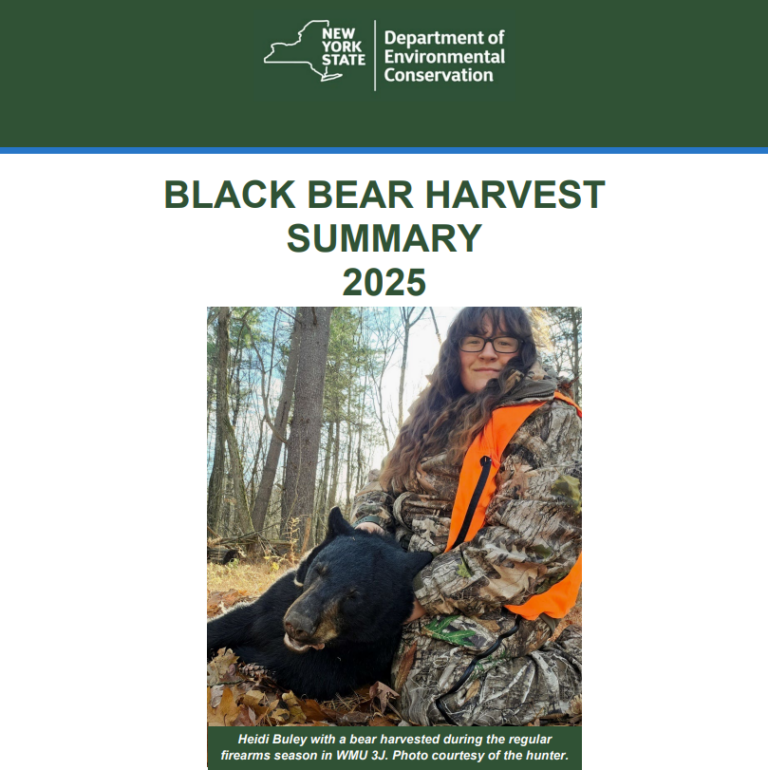
Southern Zone sets all-time record as statewide harvest climbs above long-term averages

Georgia lawmakers have approved sweeping new feral hog legislation in 2026, signaling one of the most aggressive state responses yet to invasive swine damage. The measures include expanded hunting and trapping authority, drone-assisted hog locating, and new state funding aimed at eradication.

A 3-year-old hunter, guided by an adult mentor, accidentally shot two individuals after a turkey misidentification at Honey Creek Wildlife Area. The incident is under investigation and is already prompting discussion among Wisconsin hunters about safety and mentorship standards.

California bear hunters received one of the biggest wins in years after the Fish and Game Commission approved sweeping black bear regulation changes on April 16. The new rules authorize up to two bear tags per hunter and expand legal hunting opportunity into new northeastern California areas. If final administrative approval is completed in time, the changes could reshape the 2026 season.
The latest Hunterizer update brings fully integrated Pennsylvania hunting seasons for 2026–2027, including expanded Sunday hunting opportunities. Migratory game bird seasons will be added later once finalized by PGC.

The Pennsylvania Game Commission approved new hunting seasons this weekend, expanding Sunday hunting across most seasons while introducing important changes to deer, bear, elk and turkey regulations. Here’s what hunters need to know heading into the 2026–27 season.

Michigan hunters will see a simplified three-zone system for the 2026 spring turkey season, along with clearer harvest reporting and game transport requirements. Here’s what to know before opening day.

The latest safety report from New York highlights a record-low number of shooting incidents in 2025, with zero fatalities. However, elevated stand accidents continue to pose a serious threat to hunters.

With spring turkey season already underway across most of Texas, Hunterizer releases its official 2026 Turkey Zones map—helping hunters navigate exact dates, zone boundaries, and updated regulations statewide.

A sweeping federal overhaul of the U.S. Forest Service is drawing sharply divided reactions from hunting and conservation groups. While some see a win for local control and access, others warn of long-term risks to habitat, science, and public land management.

The Pennsylvania Game Commission will convene April 10–11 to discuss regulations, wildlife management updates, and potential changes impacting hunters. From deer and turkey seasons to habitat priorities, several agenda items could shape upcoming hunting opportunities across the state.

With the release of the 2026 Big Game Digest by the CDFW, the Hunterizer app has rolled out updated seasons and tag information. California hunters are looking at expanded access, more tags, and brand-new hunt zones, pending final approval this April by Fish & Game Commission.
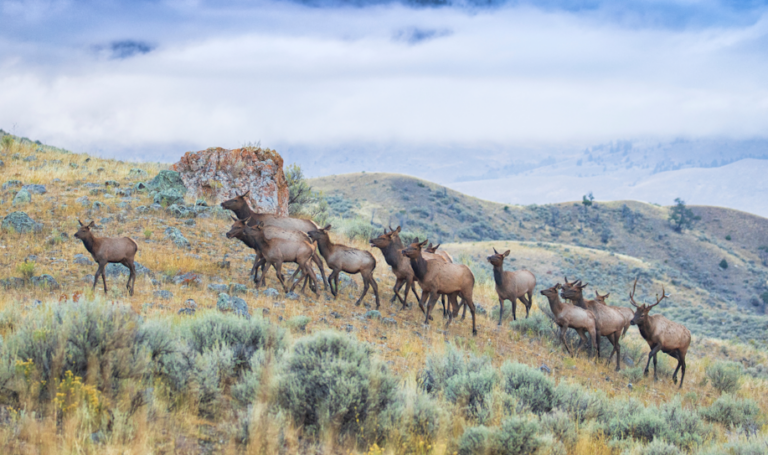
A newly introduced Senate bill targeting big game migration corridors is drawing rare bipartisan support—but its path through Congress remains uncertain. Here’s what hunters need to know now.

California hunters may see rare new opportunities as regulators respond to a booming bear population. Proposals for a second tag and expanded hunting areas are expected to be approved this spring. Insights from Bill Gaines on the Hunterizer Podcast suggest momentum is firmly on the side of expansion.

A controversial provision tied to the latest federal Farm Bill has raised concerns across the hunting community. While aimed at banning greyhound racing, critics warn the language could unintentionally impact long-standing hunting practices involving dogs. As the bill advances, hunters nationwide are watching closely.

Lawmakers in Pennsylvania are advancing a proposal that could bring hunter education directly into classrooms—an idea that supporters say could help recruit new hunters, improve safety, and preserve outdoor traditions.

An Idaho Fish and Game commissioner is under investigation following allegations tied to an unlawful elk harvest. The case has drawn attention from hunters and conservationists alike, raising questions about compliance, accountability, and leadership within the state’s wildlife management system.

The Texas Parks and Wildlife Department has approved a series of hunting regulation changes impacting dove, turkey, deer, and equipment rules. The updates aim to simplify seasons, address declining populations, and expand opportunity in key regions ahead of upcoming hunting seasons.
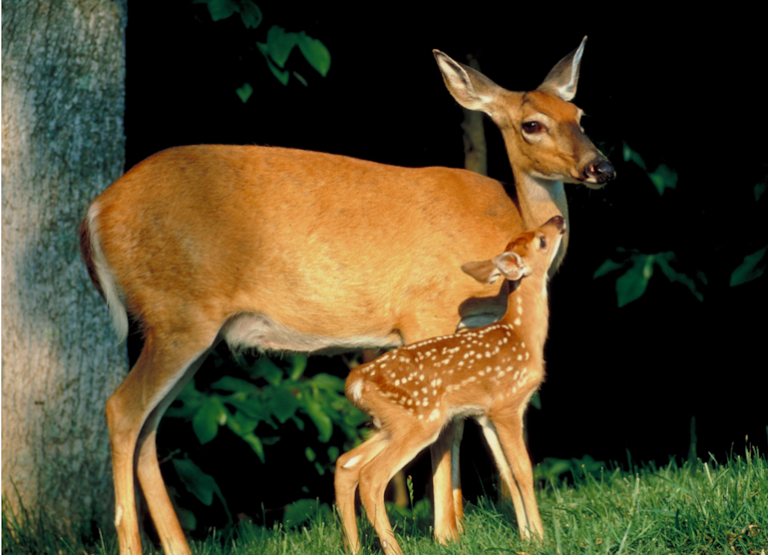
A mild winter across Idaho is translating into strong survival rates for deer fawns and elk calves, according to new data from state biologists. The encouraging numbers could signal improved herd recovery—and better hunting prospects—in the seasons ahead.

AB 1912 clears its first committee hurdle, signaling potential changes for California’s archery deer season. Supporters say it enhances safety, while critics worry about impacts to fair chase principles.

Preliminary numbers show a stable whitetail population and strong participation across the state. Officials highlight antlerless harvest as a key management tool.

CDFW released the North Central Deserts Bighorn Conservation Unit Plan on February 10, 2026, unlocking major new desert bighorn hunting opportunities. The plan recommends 3 brand-new hunt zones — Granite/North Bristol, Providence/Woods/Hackberry, and Castle/Piute Mountains — with conservative quotas that could boost the unit’s total tags from the current 5 to as many as 15 starting in the 2026-27 season. With roughly 900 healthy desert bighorn in the unit and strong science-based management, this marks one of the biggest expansions of sheep hunting opportunity in California in years.

Targeted action in northern Idaho marks first wolf removal effort of its kind in the Panhandle region. Officials say the move is aimed at improving struggling elk populations, while critics question long-term strategy.

After years of court battles, California has backed down from enforcing its controversial youth firearms marketing ban. The development marks a major legal win for hunting and shooting organizations nationwide.

We sat down with Bill Gaines — 30-year California hunting advocate, lobbyist, and chair of the California Hunting and Conservation Coalition — for a sweeping conversation on the apex predator crisis, legislative battles, bear hunting changes in 2026, the SHARE program, and what every California hunter must do right now.

Hunterizer launches its new publication series with wild game recipes from Jeff Benda, a seasoned wild game chef with 25 years of restaurant and catering experience. With spring turkey seasons approaching in many states, this debut features an approachable wild turkey breast recipe perfect for successful hunters – whether you’re new to cooking turkey or seeking a fresh twist.

Multi-year case uncovers widespread illegal harvest across three counties. Wildlife officers say dozens of deer may have been taken using unlawful methods, including spotlighting and out-of-season hunting.

State wildlife officials seek to expand antlerless opportunities and adjust seasons, while recent rule changes already reshape tagging and reporting requirements for hunters.

We sat down with Rick Larnerd — U.S. Army veteran, former Pennsylvania game warden, former Tennessee police chief — for a conversation about wildlife conservation, hunting culture, and the real role of game wardens in America.

Several hunting and conservation organizations have filed a lawsuit seeking to halt the approved plan to remove all mule deer from Catalina Island. The plaintiffs argue the project was approved without the full environmental review required under California law.

Hunters and waterfowl enthusiasts in Pennsylvania now have an opportunity to weigh in on proposed migratory bird hunting seasons for 2026–27. The comment period allows sportsmen to share feedback on season timing, bag limits, and other regulations before final decisions are made.

A new proposal in the Michigan Legislature would provide free lifetime hunting and fishing licenses to some military veterans. Supporters say the measure recognizes service and could help more veterans reconnect with the outdoors.

Bipartisan legislation introduced in Sacramento would ensure millions of dollars generated by hunters are reinvested directly into California’s state wildlife areas for habitat management and hunting access.

More than 17,000 deer were tested statewide during the 2025 hunting seasons, with over 2,000 confirmed cases of chronic wasting disease. Most detections occurred in southern Wisconsin, though new cases continue to appear in additional counties across the state.

Hunterizer has rolled out a major upgrade for waterfowl hunters. The app’s Duck section now features high-quality images of both drakes and hens across 28 wild duck species — helping hunters sharpen identification skills in the field.
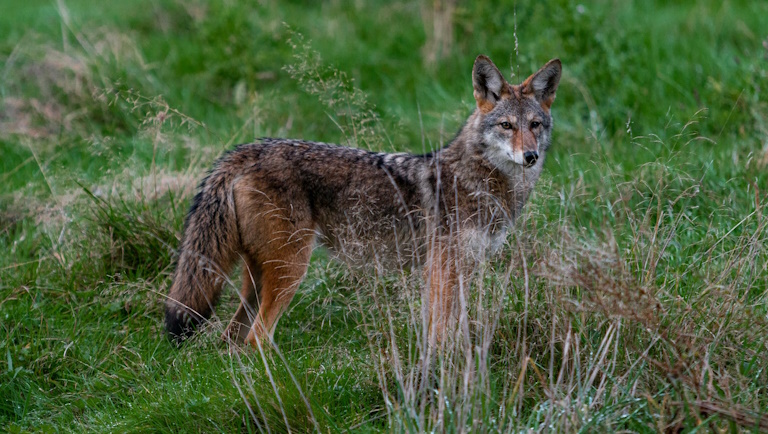
Michigan expands opportunities for hunters while aiming to balance coyote population and human-wildlife conflicts. The updated framework combines traditional hunting, trapping and a new long-duration management season with clear rules, timelines and licensing requirements.

The Wisconsin Department of Natural Resources (DNR) announces that the application period for the 2026 elk season opens March 1 and includes new subunit licensing, expanded quotas, and a continuous October–December season. Hunters must choose among specific hunting units or unit groups, with separate bull and antlerless drawings shaping opportunities across both elk management zones.
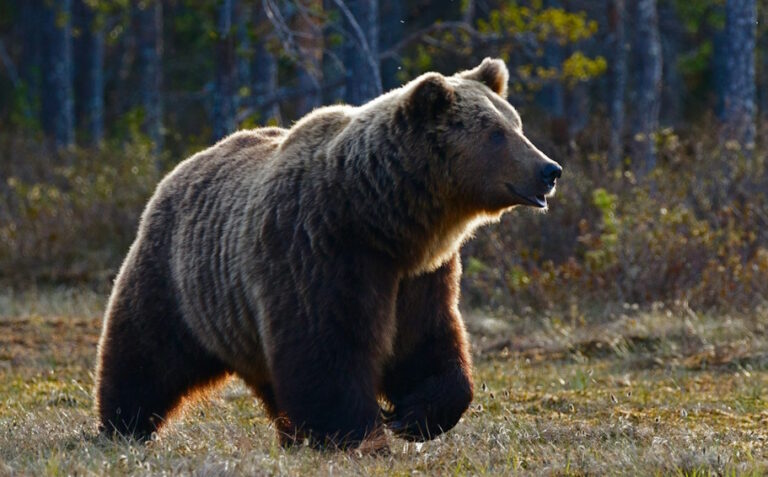
A recently introduced bill in the California State Senate seeks to explore the reintroduction of grizzly bears, absent from the state for over a century. While proponents highlight ecological and cultural benefits, critics worry about the implications for local wildlife management and human activities in the outdoors.

Big changes this year for out-of-state shed hunters in Montana — a new license and a waiting period on popular Wildlife Management Areas. Learn when you can pick up antlers, where the restrictions apply, and what lands are affected.

The new license year launches license sales and big game applications while major regulatory and legislative changes reshape opportunity. Hunters should note new nonresident bird season timing, adjusted deer license quotas, and updates affecting big game access.

Several Lion Management Units (LMUs) have shut down harvest of specific sexes after quotas were reached, reflecting strong hunter participation and tight population management. Montana’s quota-driven system continues to produce early closures in high-pressure areas while other districts remain open.

With the new license year opening April 1, Wisconsin hunters can now view updated season dates for deer, elk, bear, turkey, small game, game birds, and more inside the Hunterizer app. Additional opportunities will be added as the state releases further details.

Lawmakers advanced a proposal to establish Wisconsin’s first sandhill crane hunting season, citing crop damage and growing bird populations. The measure has drawn sharp reactions from hunters, farmers, and conservation groups as it moves to the State Senate for consideration.

In this episode, the Hunterizer team is joined by Rick Brazell — a lifelong hunter, wildlife biologist, and founder and president of the First Hunt Foundation (FHF). FHF is a national nonprofit dedicated to connecting new hunters with experienced volunteer mentors across the United States. Rick shares his passion for mentoring, the foundation’s programs, and why passing on these traditions matters more than ever.
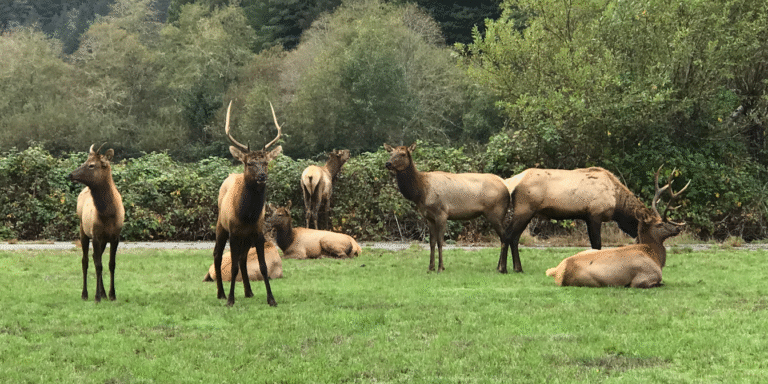
Hunters have a limited chance this spring to pursue Roosevelt elk on private ranchlands along California’s North Coast. Applications are open now, with tags issued by random draw as part of a targeted effort to reduce agricultural damage and manage herd impacts.

Meghan Hertel has officially taken the helm of California’s wildlife agency, bringing a background in habitat conservation and land management. Her leadership arrives at a time when hunters are watching closely for direction on wildlife management, access, and conservation priorities across the state.

A recent enforcement action in Greene County, New York, resulted in fines and legal penalties after a hunter was found to have taken a deer illegally using the wrong harvest tag and without the proper permit. The case underscores the role of Environmental Conservation Police in upholding hunting regulations and the importance of ethical and lawful harvest practices for all hunters.
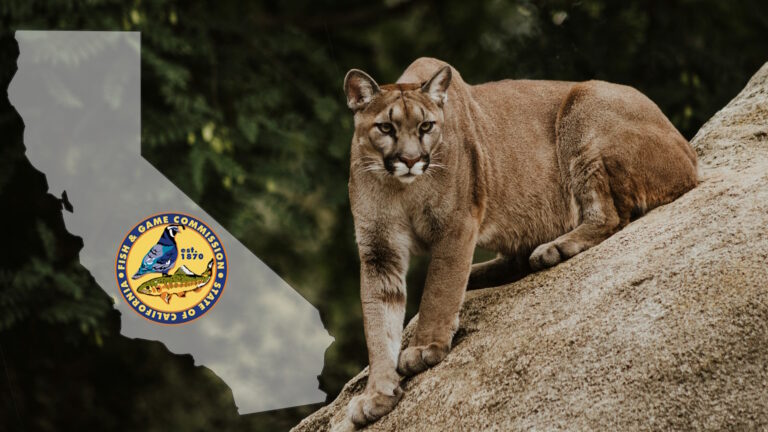
The California Fish and Game Commission has designated six Central and Southern California mountain lion populations as threatened under state law, while leaving Northern and Sierra populations unchanged. The decision could reshape habitat policy, predator management, and long-term deer herd dynamics in key hunting regions. Here’s what the ruling means for sportsmen, ranchers, and wildlife conservation across the state.

A hunter-harvested deer in Gladwin County tests positive for chronic wasting disease, marking the 18th Michigan county with confirmed cases and prompting renewed calls for testing and surveillance.

HARRISBURG, Pa. — Deer management and agricultural crop damage were front and center during a recent town hall discussion hosted by the Pennsylvania G…

Seasonal hiring across national forests and grasslands aims to strengthen habitat projects, wildfire preparedness, and public access ahead of the 2026 field season. The added workforce will support recreation, wildlife monitoring, and conservation work that directly benefits hunters and other public land users. Applications are expected to open in the coming months, offering outdoor enthusiasts a chance to work where they hunt and explore.

Harvest quotas are triggering early shutdowns in several trapping districts, including Region 4’s Feb. 11 closure after exceeding its limit. While some areas remain open, hunters and trappers face rapidly changing conditions as FWP monitors harvest totals statewide. Staying on top of quota updates is critical as the 2025–26 bobcat season enters its final stretch.

Georgia lawmakers have passed a bill in the House that would allow drones to assist in locating feral hogs on private land. The proposal aims to improve control of the invasive species while maintaining restrictions on aerial shooting. If enacted, the measure could add a new tool for landowners and hunters battling widespread hog damage.

Furbearer regulations, small game seasons and Michigan’s long-standing bovine tuberculosis issue headline this week’s Natural Resources Commission meeting in Lansing. With legislative updates and management discussions on the agenda, hunters and trappers will want to watch for signals that could shape future seasons. The meeting offers a key look at where wildlife policy may be headed in 2026.

A traffic stop in Parmer County led Texas Game Wardens to uncover illegally taken mule deer outside of the legal season. Officials say the case involved multiple violations tied to season dates and antler restrictions.

Drawing results are now live in Go Wild accounts, with nearly 15,000 bear permits issued statewide. Competition remains fierce in Zones A and B, while southern zones offered improved odds for 2026.

The Sunday hunting era is expanding fast in Pennsylvania. Following the January 24 PGC Board meeting, nearly every open season in 2026-27 will now include Sundays, delivering a major boost in hunting opportunity after decades of limited weekend access.
Wisconsin bear hunters will see expanded opportunity this fall after state wildlife officials approved a record number of bear hunting licenses. The move reflects strong hunter demand and ongoing efforts to manage a healthy black bear population across the state.

CDFW’s longtime director is out, and new leadership is taking over at a critical moment for California hunters. From deer tags and bear management to wolves and salmon closures, the decisions made next will directly affect hunting opportunity and access across the state.

California’s Catalina Island mule deer face total eradication after CDFW green-lights a five-year lethal removal plan, ending a century of regulated hunting on the island. Some conservation groups hail the move as essential to restore native habitats and reduce wildfire risk, while hunting organizations strongly condemn it as unnecessary and a loss of a cherished sporting tradition.

As predator populations expand across California, lawmakers heard blunt testimony from ranchers, hunters, and wildlife managers about livestock losses, public safety, and limited management tools. The hearing underscored the widening gap between predator protection policies and the realities faced by rural communities.
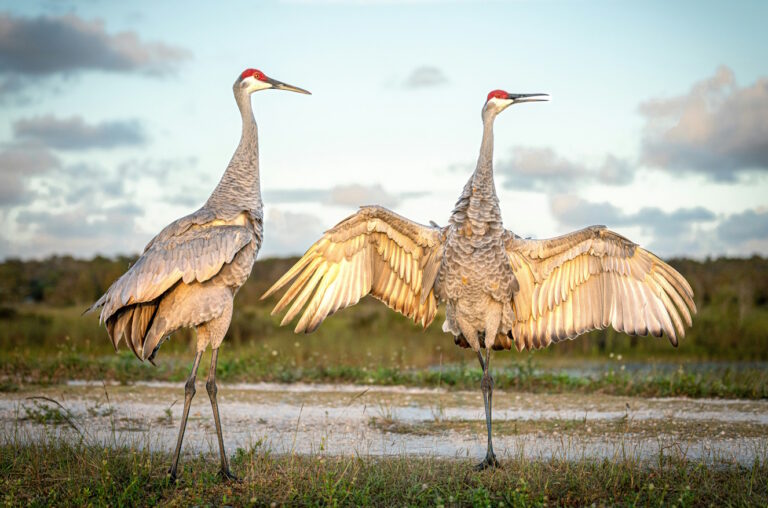
For the first time, Wisconsin could authorize a regulated sandhill crane hunting season. Lawmakers say the proposal would give hunters new opportunity while addressing crop damage, but the path forward remains uncertain as debate continues in Madison.

Montana Fish, Wildlife & Parks has published the official 2026 big game regulations for deer, elk, antelope, moose, bighorn sheep, mountain goat, and bison. Hunterizer has already rolled out detailed seasons and tag info for moose, bighorn sheep, mountain goat, and bison – deer, elk, and antelope updates coming next week. Mark your calendars for the drawing deadlines and start researching zones now for the best shot at tags this fall!

Report your 2025 deer tags by January 31, 2026, and bear tags by February 1, 2026, to stay compliant and help manage our wildlife populations.

A late-morning water rescue on Cedar Creek Lake ended safely after emergency crews located two duck hunters who had been stranded in cold, rough conditions. Authorities say the incident highlights the risks hunters can face on open water during winter weather.

New York conservation officers say public reporting and follow-up investigation were key in resolving an illegal deer killing that occurred during the 2024 season. The case serves as a reminder of how quickly unlawful activity can unravel and the penalties that follow.

From new gear to emerging technology, SHOT Show 2026 highlights what’s next for hunters and the hunting industry.

The Pennsylvania Board of Game Commissioners will review proposed hunting seasons and bag limits for the 2026–27 license year, including a possible shift of the firearms deer opener to before Thanksgiving. Other topics include Sunday hunting for spring gobblers, bear season adjustments, elk management, and Chronic Wasting Disease response.

The U.S. Department of the Interior has issued a new order directing federal land agencies to expand hunting and fishing access while cutting back unnecessary regulations. The move reinforces hunting as a priority use of public lands and could open the door to more seasons, clearer rules, and fewer access restrictions for sportsmen.

Georgia wildlife officers say the case underscores how baiting violations and ignored bag limits damage the integrity of duck hunting. Officials hope the arrests serve as a reminder that ethical, legal hunting protects the future of waterfowling for everyone.

The 2025 elk hunting season in Wisconsin concluded on December 19, with 13 hunters selected from over 26,000 applicants successfully harvesting a total of seven bulls and five antlerless elk across two managed ranges. The DNR reported that the hunt met its harvest objectives, particularly in the Black River Elk Range, where nearly all license holders were successful. Applications for the 2026 elk hunting season will open on March 1, 2026.
Popular Hunterizer Guides