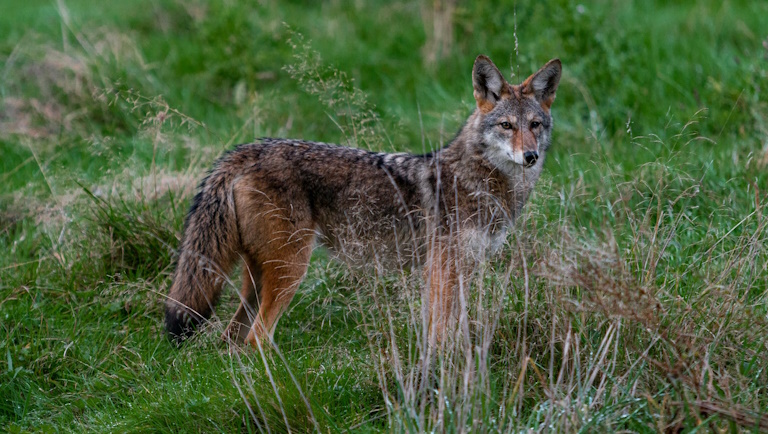
Starting this spring, Michigan’s predator hunters will see a new approach to coyote seasons aimed at improving wildlife stewardship and expanding recreational opportunities. After recent regulatory action by the Michigan Natural Resources Commission, a year-round coyote hunting and management season framework now complements the traditional fall/winter hunting and trapping period, complete with specific restrictions and license requirements that all hunters and trappers should understand before heading into the woods.
What’s Changed: The New Approach
Under the updated structure effective March 1, 2026, Michigan now recognizes two distinct timeframes for pursuing coyotes:
- Traditional Coyote Hunting & Trapping Season: Runs annually from October 15 to March 1. During this time, standard hunting and trapping methods remain in effect statewide.
- Coyote Management Season: Begins **March 2 and continues through October 14. This extended period was created to help address perceived overabundance of coyotes and reduce conflicts with livestock, pets and other wildlife. During this time, hunters may take coyotes across much of the state, but with some key limits on where and how they can do it.
This dual structure reflects a shift toward wildlife management goals while preserving traditional furbearer seasons.
Where You Can Hunt or Trap
- During the Management Season (March 2–Oct. 14):
✔️ Hunting coyotes is allowed on both public and private lands.
❌ Trapping coyotes is not permitted on public lands or commercial forest lands that are open to general hunting. - State Parks & Recreation Areas: Coyotes cannot be taken from April 1 through Sept. 14 in these designated areas.
- Use of Dogs: Hunting with dogs is prohibited from April 16 through July 7 to reduce disturbance during sensitive periods.
These provisions strike a balance between access and responsible wildlife management across varied land types — from state forests and Wildlife Management Areas to private property.
Purpose Behind the New Rules
Wildlife managers have cited growing coyote populations and increasing interactions with agricultural operations, pets and native game species as motivation for the expanded framework. By establishing a long management season alongside the traditional hunting period, the state aims to give landowners and hunters more tools throughout the year to address these challenges while still safeguarding wildlife and public interests.
Licenses & Legal Requirements
To participate in Michigan’s coyote seasons, all participants must meet standard licensing rules:
- Base Hunting License: Required for all hunters, residents and non-residents alike.
- Fur Harvester License: Required for all trappers and non-resident hunters seeking to pursue coyotes.
- Residents: Only need the base license to hunt coyotes.
For those hunting or trapping early in March or April 2026, it’s important to note that last year’s 2025 base license remains valid through March 31 — but any 2025 fur harvest license must be tied to a base license purchased before late February.
Carcass Handling & Stewardship
Michigan also includes clear guidance on what to do with harvested coyotes: carcasses should be used or disposed of responsibly. Acceptable options include burying the remains, wrapping and placing them in a landfill, or composting on private land where local authorities allow.
Hunterizer App
Hunting Michigan? See exactly what’s in season at your GPS location.
The Hunterizer app shows species, bag limits, and zone rules for your exact coordinates — for every county in Michigan.