Washington’s 2026 deer seasons are underway, with hunters pursuing mule deer, white-tailed deer and black-tailed deer across dramatically different landscapes. WDFW’s latest hunting forecast points to opportunities across the state, but wildfire impacts, access changes and new CWD requirements will be important considerations this fall.
The Washington Department of Fish and Wildlife has released its 2026 Hunting Prospects, providing district-by-district information for hunters across all 17 of the state’s wildlife districts.
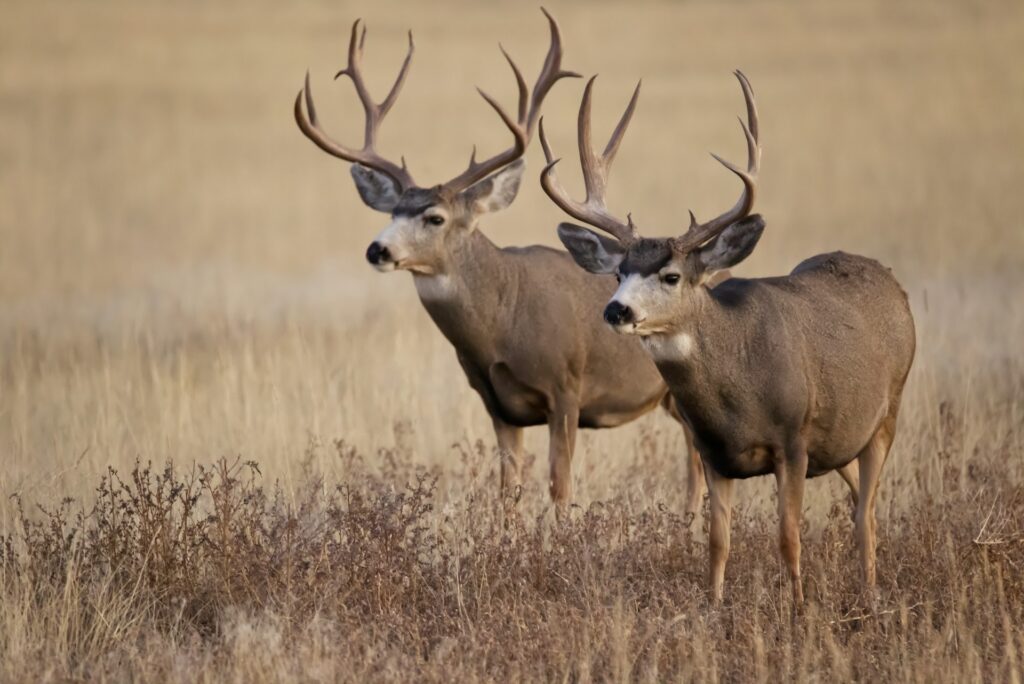
For deer hunters, Washington effectively offers three very different hunting experiences: mule deer across much of central and eastern Washington, white-tailed deer concentrated primarily in the northeast, and black-tailed deer west of the Cascades.
Archery deer seasons opened September 1 in much of the state. For hunters waiting for the biggest portion of Washington’s deer season, the general modern-firearm deer opener is October 17. Exact dates, legal deer and weapon restrictions vary considerably by GMU.
Northeast Washington: Whitetails Remain the Main Attraction
Ferry, Stevens and Pend Oreille counties continue to provide some of Washington’s most important white-tailed deer hunting opportunities. The combination of forest, agricultural land and mixed habitat supports whitetails across much of the region, while mule deer are also present in suitable country.
Hunters heading into northeast Washington should pay particular attention to access this year. WDFW notes that Manulife Investment Management is no longer participating in a WDFW hunting-access program and has restricted access to its lands, potentially changing plans for hunters accustomed to using those properties.
Wildfires are another significant factor. Eastern Washington experienced severe fires during the summer, and WDFW advises hunters to check current road, land and fire closures before traveling. Deer may return relatively quickly to recently burned areas as vegetation begins to recover, but active closures can make otherwise productive hunting country inaccessible.
There is also a major new requirement for 2026: hunters who harvest deer, elk or moose in 100-series GMUs must submit the animal for chronic wasting disease testing within five days. Whole carcasses also cannot simply be transported from those GMUs into other parts of Washington, making it important to plan for carcass handling before the hunt.
North-Central Washington: Mule Deer Country
Okanogan, Chelan and Douglas counties remain at the heart of Washington’s mule deer hunting.
The region offers everything from agricultural and shrub-steppe country to high-elevation Cascade habitat, meaning deer distribution can vary substantially with weather and elevation. Hunters should be prepared to scout rather than assume deer will be using the same areas they occupied during previous seasons.
Fire can also reshape hunting conditions here. Recent burns may eventually produce attractive deer forage, but closures, damaged roads and changing vegetation can alter access in the short term. Hunters planning trips into National Forest or other public lands should check current closure information immediately before leaving.
Washington’s regulations also make GMU selection particularly important for mule deer hunters. During the early archery season, many eastern Washington GMUs have a 3-point minimum for mule deer, while season dates and legal deer differ in some units.
Southeast Washington: Deer in the Blue Mountain Country
Southeast Washington offers both mule deer and white-tailed deer opportunities across Asotin, Columbia, Garfield and Walla Walla counties.
The Blue Mountains and surrounding agricultural country can produce very different deer hunting depending on elevation and land ownership. Hunters should pay close attention to public access and private-land boundaries, particularly where agricultural areas transition into foothills and forest.
As elsewhere in eastern Washington, regulations can differ between neighboring GMUs and between mule deer and whitetails. Hunters should verify not just whether deer season is open, but which deer are legal in the particular GMU they are hunting.
Central Washington: Shrub-Steppe and Mountain Deer
Kittitas and Yakima counties provide another mix of mule deer habitat, ranging from open shrub-steppe to forested Cascade slopes.
These areas can require hunters to cover substantial country, and autumn weather can make a major difference in deer movement. Cooler temperatures and early mountain snow later in the season can shift deer toward lower elevations and winter ranges, while warm October conditions may leave animals more dispersed.
Some central Washington archery mule deer seasons closed earlier in September than those elsewhere in the state, reinforcing the need to check the exact GMU rather than relying on a single statewide deer date.
Western Washington: Blacktail Hunting Remains a Different Game
West of the Cascades, hunters shift primarily to Columbian black-tailed deer.
Blacktails occupy the dense forests, clearcuts and mixed timber country of southwest Washington, the Olympic Peninsula, Puget Sound and the western Cascade foothills. Heavy vegetation can make finding deer challenging even where populations are healthy, so recent timber harvests, regenerating clearcuts and habitat edges can be particularly important places to scout.
Southwest Washington’s Districts 9 and 10 cover Clark, Klickitat, Skamania, Cowlitz, Lewis and Wahkiakum counties, while WDFW’s western districts also cover the Olympic Peninsula, Puget Sound and northwestern Washington. Regulations and access can vary considerably among these areas.
For many western Washington hunters, the later portions of the season can also become increasingly interesting as blacktail rut activity increases and bucks become more visible.
CWD Is a Bigger Issue for Washington Hunters in 2026
One of the most important changes eastern Washington deer hunters need to remember this year has little to do with predicting deer numbers.
Following Washington’s detection of chronic wasting disease, WDFW now requires deer, elk and moose harvested in 100-series GMUs to be tested for CWD. Samples must be submitted within five days of harvest. WDFW provides hunter check stations, self-service kiosks and options for hunters to remove and submit lymph nodes themselves.
There are also carcass-transport restrictions intended to reduce the possibility of moving infected material elsewhere in Washington. Hunters traveling from the northeast should understand these requirements before putting an animal in the truck rather than trying to figure them out after a successful hunt.
Washington also prohibits feeding deer, elk and moose, or conducting other wildlife feeding that causes these animals to congregate, in part because concentrations of animals can increase disease transmission.
The Main Deer Season Is Still Ahead
September has already provided opportunities for Washington archery hunters, but much of the state’s deer harvest will occur later this fall.
The general modern-firearm deer season begins October 17, with dates and legal deer varying by GMU. Late archery opportunities then return in numerous parts of Washington during November and December. For example, late blacktail archery seasons in many western GMUs run from late November into December, while selected eastern GMUs offer late mule deer archery opportunities.
Hunters should also keep wildfire and access conditions in mind throughout the fall. A hunting season being legally open does not necessarily mean a particular road, forest or property remains accessible.
Plan Your Washington Deer Hunt With Hunterizer
Washington is a perfect example of why knowing that “deer season is open” isn’t enough. Depending on your location, the deer in front of you could be a mule deer, white-tailed deer or black-tailed deer, and the legal animal, weapon and season dates can change from one GMU to another.
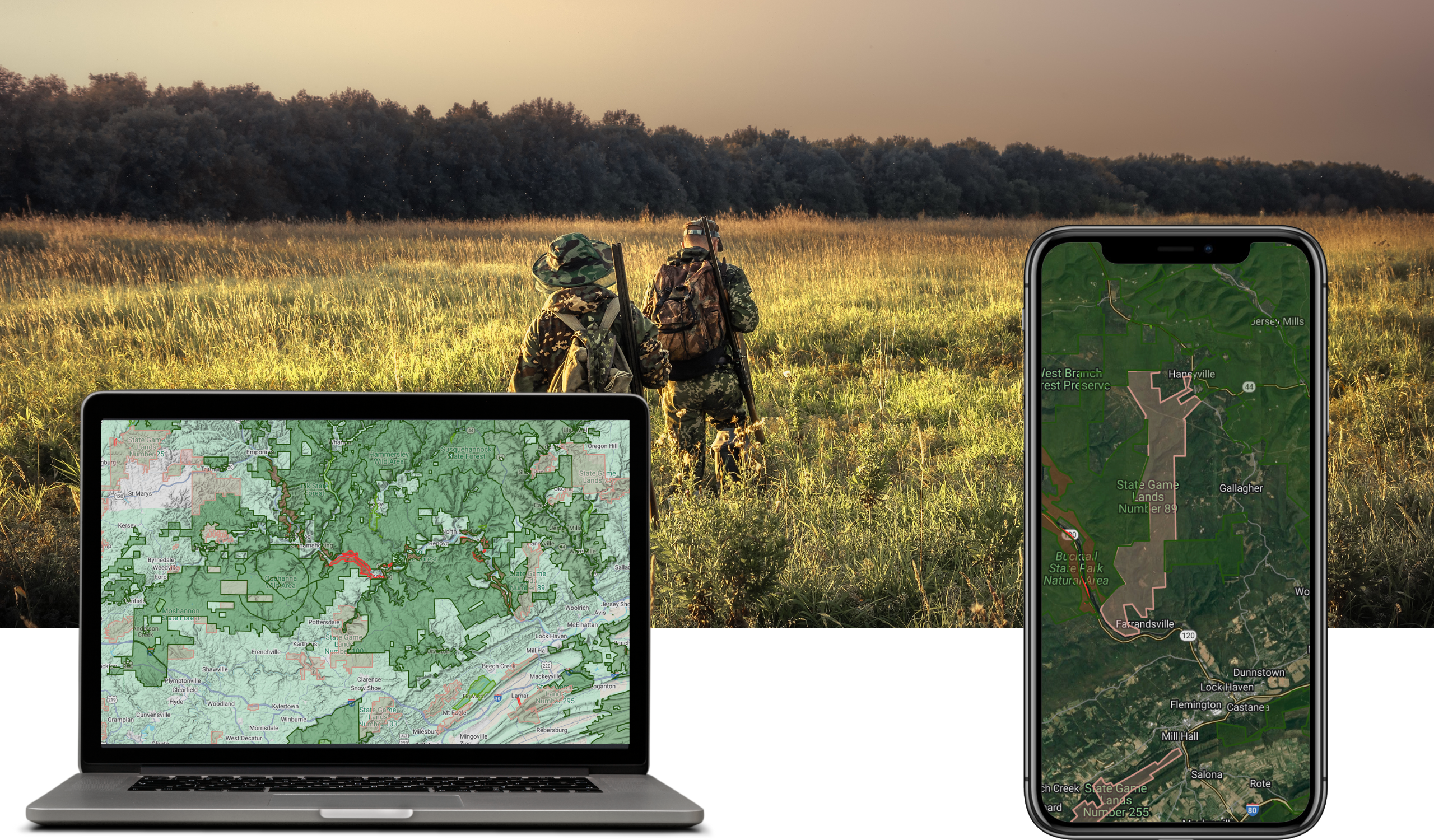
The Hunterizer app helps Washington hunters check deer seasons by location, GMU boundaries, legal weapons, season dates, bag limits and other important regulations. As Washington moves from September archery hunting toward the October modern-firearm opener and later-season opportunities, Hunterizer can help hunters quickly determine what they can legally hunt at their location on that date.
WDFW 2026 Hunting Prospects: https://wdfw.wa.gov/publications/02737