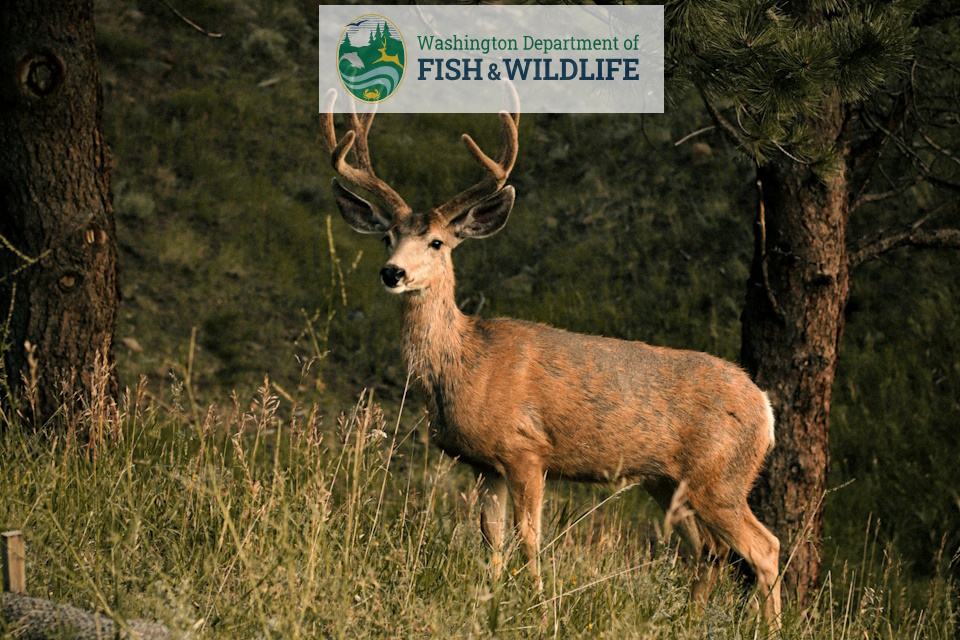
Washington hunters have an important opportunity this month to help shape hunting regulations for the next three years.
The Washington Department of Fish and Wildlife (WDFW) is moving forward with its 2027–2029 three-year hunting season-setting process and is asking the public to review and comment on roughly 60 potential hunting rule changes.
The current proposals grew out of a public scoping process that began in October 2025. WDFW received more than 1,000 comments and suggestions from hunters and other members of the public. Department staff reviewed those ideas along with proposals developed internally and are now seeking another round of feedback before deciding what should advance to formal rulemaking.
For Washington hunters, this is an especially important stage of the process. Nothing in the current package is final, and some ideas may never become formal rules. Comments submitted now can influence which proposals move forward and how they are ultimately written.
What kinds of hunting changes are being considered?
The approximately 60 potential proposals cover a broad range of Washington hunting regulations. WDFW has organized the discussion around several major categories, including deer, elk and moose; waterfowl; turkey, small game, upland game, carnivores and furbearers; and hunting methods.
Among the proposals hunters should watch are changes to big-game seasons and special permit opportunities. WDFW is examining potential adjustments involving deer, elk and moose hunting, including season structures and opportunities in individual hunt areas and GMUs.
For a deer or elk hunter, changes that may look relatively small on paper — moving a season date, changing the legal animal, modifying a special permit hunt or adding or removing a GMU — can determine whether a favorite hunting area remains available under the same conditions in 2027.
Special permit hunting is another important part of the review. Changes to permit hunts can affect not only the number of opportunities available but also where and when successful applicants can hunt. Washington hunters who regularly accumulate points for limited-entry deer, elk or moose opportunities should therefore pay particular attention to proposals affecting their preferred hunt choices.
Waterfowl rules are also under review
Waterfowl is important enough in the current process that WDFW is holding a separate public meeting devoted to the subject.
Potential changes in this category can involve season structures, hunting areas and other migratory game bird regulations. Waterfowl hunters should remember that Washington’s final migratory bird seasons also have to operate within federal frameworks, meaning not every part of a duck or goose season is controlled solely by the state.
Still, state decisions can have a major impact on where and when Washington hunters get their opportunities, making this a particularly important part of the season-setting process for duck and goose hunters.
Turkey, upland game and small game hunters have proposals to watch
Another group of potential changes covers wild turkey, upland game birds, small game, carnivores and furbearers.
That means the 2027–2029 process is not simply a big-game season review. Hunters pursuing turkey, pheasant, grouse, quail, rabbits and other game should review the proposals affecting their species rather than assuming the upcoming three-year regulations will remain unchanged.
Carnivore and furbearer regulations are also part of this discussion, an area that has received substantial regulatory attention in Washington in recent years.
Hunting methods could change, too
One of the most consequential categories is simply labeled hunting methods.
Equipment and method-of-take regulations can affect hunters statewide rather than in only one GMU. Washington has detailed requirements governing modern firearms, muzzleloaders, archery equipment and other hunting methods, so hunters who use a particular weapon type should review this section closely.
Washington has changed equipment regulations during previous three-year season-setting cycles. For example, the current 2024–2026 rules expanded crossbow use by allowing crossbows during muzzleloader seasons. The new process gives WDFW another opportunity to reconsider hunting-method regulations for 2027–2029.
These are not final regulations
Hunters should understand an important distinction: WDFW is not adopting these approximately 60 changes right now.
This is an early public-engagement stage.
WDFW will use the comments it receives, along with biological information, harvest data, staff recommendations and Tribal input, to determine which concepts should become formal rule proposals.
The Department’s current schedule calls for the formal CR-102 rule proposal to be filed in December 2026. That will begin another official public-comment period.
The public-comment period on those formal proposals is expected to continue into February 2027. WDFW staff will then present final recommendations to the Washington Fish and Wildlife Commission and/or WDFW director.
Final decisions are expected in March 2027, with the adopted changes appearing in the 2027 hunting regulations later that spring.
In other words, Washington hunters will have another opportunity to comment once WDFW publishes the actual proposed regulatory language.
How Washington hunters can participate now
The current public engagement period runs August 10 through August 30, 2026.
WDFW is also hosting three virtual public meetings where staff will explain the potential proposals and answer questions:
August 11, 6–8 p.m. — Deer, elk and moose
August 12, 6–8 p.m. — Waterfowl
August 17, 6–8 p.m. — Turkey, small game, upland game, carnivores and furbearers
Hunters interested in proposed hunting-method changes should also review that portion of WDFW’s online materials during the comment period.
The virtual meetings are informational. Hunters who want their opinions entered into the rulemaking record should also submit comments through WDFW’s designated public engagement process rather than relying solely on participation in a meeting.
When commenting, hunters can make their input more useful by being specific. Instead of simply stating support or opposition, identify the proposal, GMU or species involved and explain how the change would affect hunting opportunity, access, harvest, hunter crowding or wildlife management.
Why hunters should participate now
Washington’s three-year season-setting process determines many of the rules hunters will live with from 2027 through 2029.
WDFW monitors game populations and harvest and uses biological information to develop regulations, but hunter experience can provide information that isn’t always obvious from statewide statistics. Hunters may see changes in local access, crowding, animal distribution or hunting pressure that are relevant when WDFW evaluates a proposal.
This is also one of the best opportunities for hunters to raise concerns before proposed changes have been converted into formal regulatory language.
Hunters can review the season-setting process and follow the 2027–2029 rulemaking through WDFW’s official season-setting page. The current public engagement materials and opportunities to comment are available through WDFW’s public participation system.
Washington’s 2027 seasons may still seem far away, but many of the decisions that will determine those seasons are beginning now.
Official resources:
WDFW 2027–2029 hunting season-setting process: https://wdfw.wa.gov/hunting/regulations/season-setting
WDFW 2027–2029 public engagement page: https://engage.wdfw.wa.gov/2027-2029huntingseasonsetting
WDFW announcement about the August public meetings: https://wdfw.wa.gov/newsroom/news-release/wdfw-hosting-virtual-public-meetings-about-potential-hunting-rule-proposals
Hunterizer Will Track Washington’s 2027–2029 Hunting Changes
With dozens of potential changes now under consideration, Washington hunters may have a lot of new season dates, hunt areas and regulations to keep track of before the 2027 hunting seasons begin.
Hunterizer will continue following WDFW’s 2027–2029 season-setting process as the proposals move through public review and final adoption.
Once WDFW adopts the new regulations, Hunterizer will update Washington hunting seasons in the Hunterizer app, including applicable season dates, species information, hunting zones and other regulations hunters need in the field.
Washington hunters can already use Hunterizer to quickly check what they can hunt today at their location, view hunting seasons and regulations by species, and see applicable hunting areas directly on the map.
The Hunterizer app currently covers Washington big game, waterfowl, upland birds, small mammals, furbearers and other huntable species. As WDFW finalizes the 2027–2029 regulations, Hunterizer will work to turn those changes into practical, location-based information hunters can use when planning their next hunt.
For now, Washington hunters should review WDFW’s potential rule changes and make their voices heard during the public process. The decisions being considered today could determine how, when and where Washington hunters pursue game for the next three hunting seasons.