Idaho hunters preparing for the 2026 season should be aware of a significant new law restricting the use of certain technologies commonly used for scouting and hunting big game. The new regulation, passed by the Idaho Legislature earlier this year, targets tools such as transmitting trail cameras, drones, and thermal or night-vision devices during the core fall hunting period.
The law officially takes effect July 1, 2026, with the main restrictions applying annually from August 30 through December 31—a timeframe that overlaps with Idaho’s busiest big game seasons, including elk and deer hunts.
What Technology Is Restricted
Under the new law, hunters may not use the following technologies during the restricted period if they are used to assist in hunting or scouting wildlife:
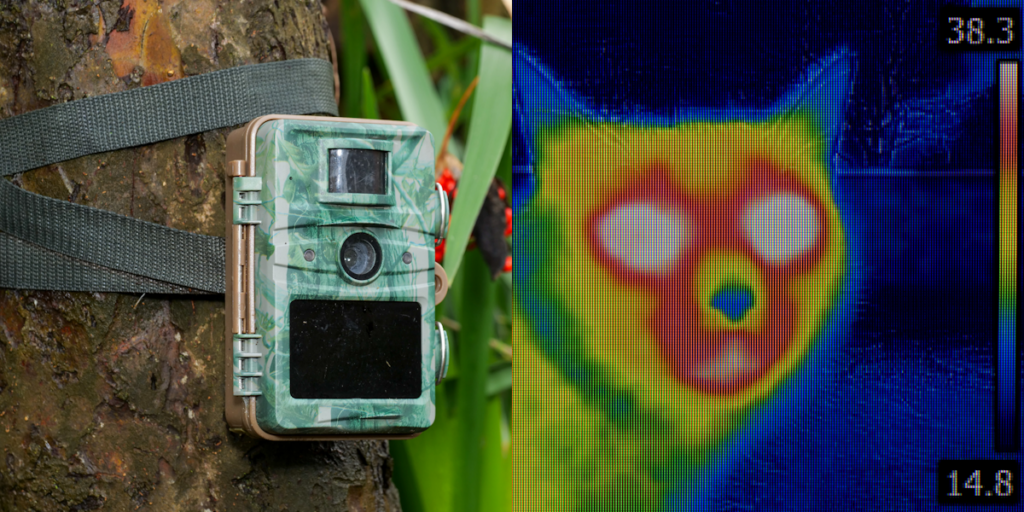
- Transmitting trail cameras (including cellular or satellite trail cameras that send images remotely)
- Thermal imaging devices
- Night vision optics
- Drones or unmanned aircraft systems
Traditional trail cameras that require retrieving photos manually (such as SD-card cameras) remain legal. These technologies are widely used to monitor animal movement, locate game from long distances, and gather real-time intelligence during hunting seasons—capabilities lawmakers determined conflicted with fair-chase principles.
Applies to Public and Private Land Alike
One of the most important details for hunters to understand is that this law applies regardless of land ownership.
Restrictions cover all land types across Idaho, including:
- Federal public lands (National Forests, BLM lands, National Wildlife Refuges etc.)
- State-managed lands (IDFG Wildlife Management Areas – WMAs, State trust lands
- Private lands (Agricultural lands, Ranches, Timber company lands, Private hunting leases, hunter’s own personal property etc.)
In short, the law regulates how technology is used, not where hunting takes place. Hunters operating cell trail cameras or other restricted technologies on private ranches or leased land will still be subject to the same rules.
When the Restrictions Apply
The technology ban applies annually during the following period:
- Restricted dates: August 30 through December 31
This period covers most:
- Archery seasons
- Rifle seasons
- Late-season big game hunts
Outside these dates, some technologies may still be used legally, depending on species and hunting method.
Species Covered
The restrictions primarily apply to big game species, including:
- Elk
- Mule deer and white-tailed deer
- Moose
- Pronghorn
- Bighorn sheep
- Mountain goat
Game birds may also be affected under certain circumstances, depending on how the technology is used.
Some predator hunting situations—such as wolf or mountain lion hunting—may allow broader technology use, but hunters should review specific regulations carefully.
Penalties for Violations
Violating the new technology restrictions is classified as a misdemeanor offense.
Possible penalties include:
- Fines up to $1,000
- Up to 6 months in jail
- Suspension of hunting, fishing, or trapping privileges for up to three years
Equipment used in violations may also be subject to seizure.
Why Idaho Passed the Law
The law follows years of debate among hunters, wildlife managers, and legislators over the growing role of technology in modern hunting. Supporters argued that certain technologies:
- Allow hunters to monitor wildlife movements in real time
- Increase harvest success rates
- Reduce the traditional challenge associated with fair-chase hunting
- Could eventually force agencies to shorten seasons or reduce tag numbers
By limiting technology during peak hunting months, lawmakers hope to maintain traditional hunting methods and long-term opportunity for hunters.
What Hunters Should Do Now
With the law taking effect before the 2026 fall season, Idaho hunters should begin reviewing their equipment and scouting strategies well ahead of time. Key steps include:
- Removing or disabling transmitting trail cameras before August 30
- Avoiding drone use for scouting big game during the fall season
- Confirming that optics used in the field comply with the new restrictions
- Reviewing Idaho Fish and Game updates for species-specific guidance
Hunters using private land should be especially cautious, as the rules apply equally across public lands, private lands, and personally owned property.
What This Means for Idaho’s Fall Hunts
For many Idaho hunters—especially those pursuing elk and mule deer in remote Western terrain—the new law represents one of the most significant regulatory changes in recent years. Those who relied on transmitting trail cameras, thermal optics, or aerial scouting will need to adjust their strategies. Meanwhile, hunters using traditional methods are unlikely to see major changes to their normal approach.
As the 2026 hunting season approaches, understanding where and how technology can be used will be essential for staying legal and avoiding costly penalties.