The U.S. Fish and Wildlife Service has announced what the Department of the Interior describes as the largest proposed expansion of hunting and sport fishing access in the history of the National Wildlife Refuge System.
The proposal, announced May 26, would open or expand more than 1,450 hunting and fishing opportunities across 111 federal stations in 32 states, including 107 National Wildlife Refuges and four National Fish Hatcheries. According to Interior, the proposal would make more than 92 million acres — over 95% of National Wildlife Refuge System lands — available to hunting and fishing opportunities.
The proposal also includes more than 500 planned regulatory revisions aimed at simplifying refuge regulations and aligning federal rules more closely with state hunting laws and methods of take.
For hunters in states currently supported by the Hunterizer app — California, Texas, Montana, Michigan, Wisconsin, Pennsylvania, Idaho, Georgia, New York and Tennessee — the proposal could bring expanded access or regulatory changes to some of the nation’s best-known refuge systems.
- In California, likely refuges affected could include portions of the Sacramento National Wildlife Refuge Complex, Grasslands Wildlife Management Area, San Luis National Wildlife Refuge, Modoc National Wildlife Refuge and the Klamath Basin refuges, including Lower Klamath and Tule Lake. These areas already support major waterfowl hunting programs, but hunters could potentially see expanded hunt acreage, additional hunt days, new species opportunities or reduced refuge-specific restrictions.
-
Texas hunters could see changes involving major refuge systems such as Aransas, Laguna Atascosa, Lower Rio Grande Valley, McFaddin and Anahuac National Wildlife Refuges. Texas contains some of the largest and most heavily hunted refuge lands in the country, particularly for migratory birds, waterfowl and upland game.
-
Montana refuges that could potentially see expanded opportunities include Charles M. Russell, Bowdoin, Benton Lake and Red Rock Lakes National Wildlife Refuges. Montana already has a strong tradition of refuge hunting access for waterfowl, upland birds and some big game opportunities.
-
Michigan hunters may see changes involving refuges such as Seney and Shiawassee National Wildlife Refuges, both of which are important public hunting destinations for waterfowl and other game species.
-
In Wisconsin, possible affected areas could include Necedah National Wildlife Refuge and portions of the Upper Mississippi River refuge system, where hunters already pursue waterfowl, deer and small game.
-
Pennsylvania refuges such as Erie National Wildlife Refuge and Cherry Valley National Wildlife Refuge could potentially see smaller-scale expansions or regulatory simplifications. Pennsylvania historically has fewer large refuge hunting programs than western states, but federal hunting access still plays an important role in some regions.
-
Idaho contains fewer large National Wildlife Refuge hunting systems than some neighboring western states, but refuges such as Deer Flat National Wildlife Refuge and portions of the Kootenai National Wildlife Refuge system could potentially see updated regulations or expanded opportunities.
-
Georgia hunters may see changes involving refuges such as Savannah National Wildlife Refuge, Piedmont National Wildlife Refuge and Okefenokee National Wildlife Refuge. These areas already support a variety of deer, hog, turkey and waterfowl hunting opportunities.
-
In New York, refuges such as Montezuma National Wildlife Refuge and Iroquois National Wildlife Refuge could potentially receive expanded hunting opportunities or updated refuge regulations aligned more closely with New York state law.
-
Tennessee hunters may also see changes involving Tennessee National Wildlife Refuge and Lower Hatchie National Wildlife Refuge, both of which provide important public access for deer, turkey and waterfowl hunting.
The proposal also includes first-ever hunting or sport fishing opportunities at 14 refuges and three hatcheries nationwide.
Interior Secretary Doug Burgum said the proposal is intended to remove “unnecessary restrictions” and expand public access opportunities on federal lands. The initiative follows the administration’s broader push earlier this year directing Interior agencies to increase hunting, fishing and outdoor recreation access wherever legally and biologically feasible.
While many hunters and conservation organizations have welcomed the proposal, some refuge expansions — especially near urban areas or environmentally sensitive habitats — could face opposition during the public comment process.
At this stage, the proposal has not yet been finalized. The rule will go through a federal public comment period before USFWS issues a final decision later this year.
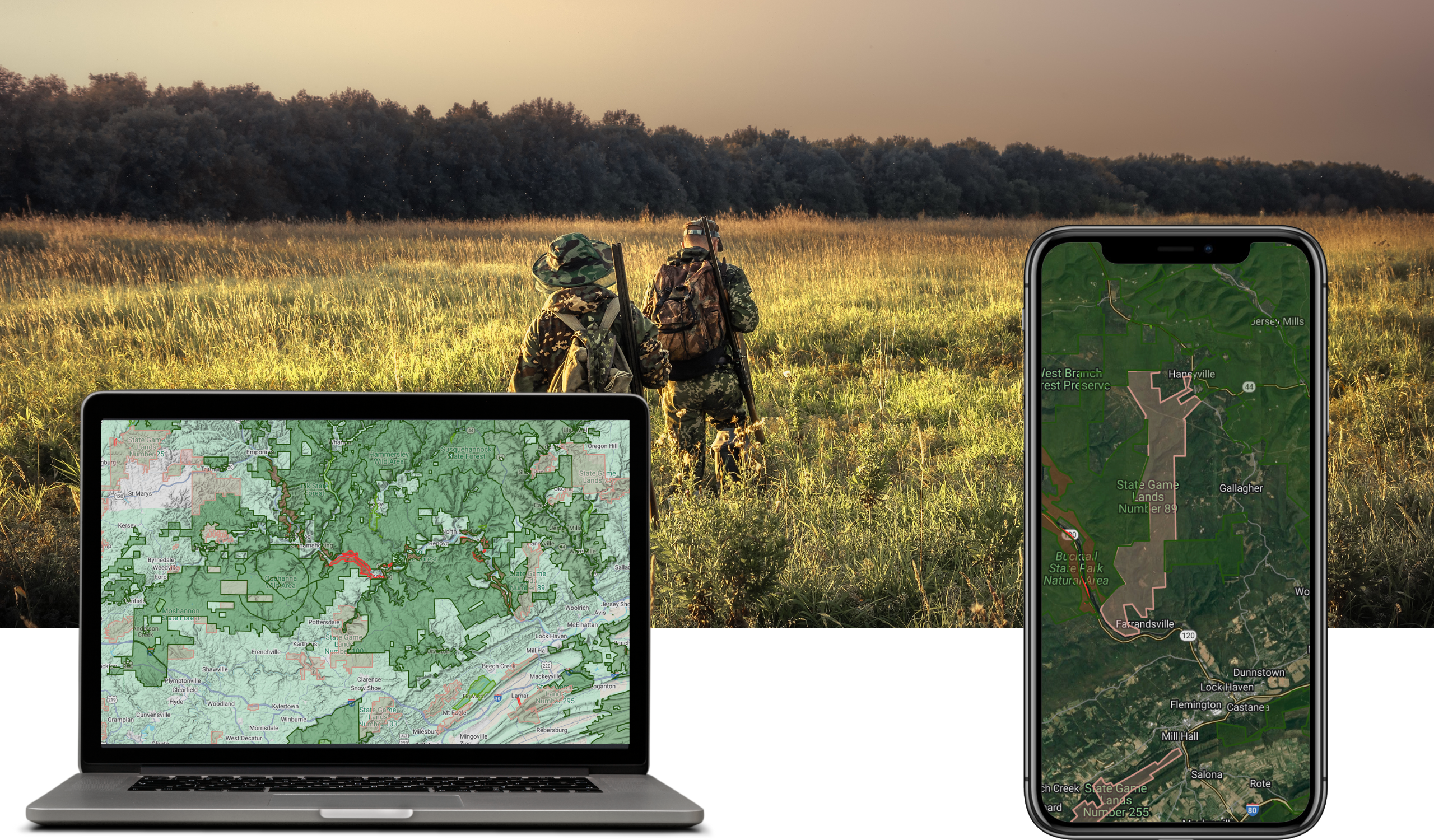
The Hunterizer app currently supports hunting seasons and regulations in California, Texas, Montana, Michigan, Wisconsin, Pennsylvania, Idaho, Georgia, New York and Tennessee. Hunters can use Hunterizer features such as “What can I hunt today?” to instantly see open seasons, legal methods of take, shooting hours, bag limits, hunter orange requirements and other regulations based on location and date.
Good. The refuge ms in California need to be opened up. The closed zones hold the ducks and geese all season. The birds only leave at night.
If we hunt the closed zones the birds will leave the refuges. They stay there and we get to hunt them because of the closed zones. This is not a good idea
Expand the late goose season so we can hunt snows and specks for a month like other states do. Would be nice if we can shoot a crane or two as well.
Great idea to open the refuges up for more hunting and fishing! Thank you!
The whole Refuge system is a mess in California you can’t hardly get drawn you spend hundreds of dollars with maybe a chance to hunt once or twice. There’s a lot of land that could be huntable and still leave some clothes zone to keep the birds in the area. Then you have places like the consumers River Preserve that doesn’t allow any hunting when there could be some really good hunting in that area if it was set up right. I’m sure there’s many other areas just like that around California. And if geese are overpopulated why don’t we have more opportunities. Then you have the Little Dry Creek problem no refilling of blinds. We need real duck Hunters to oversee these refuges maybe they would get fixed.