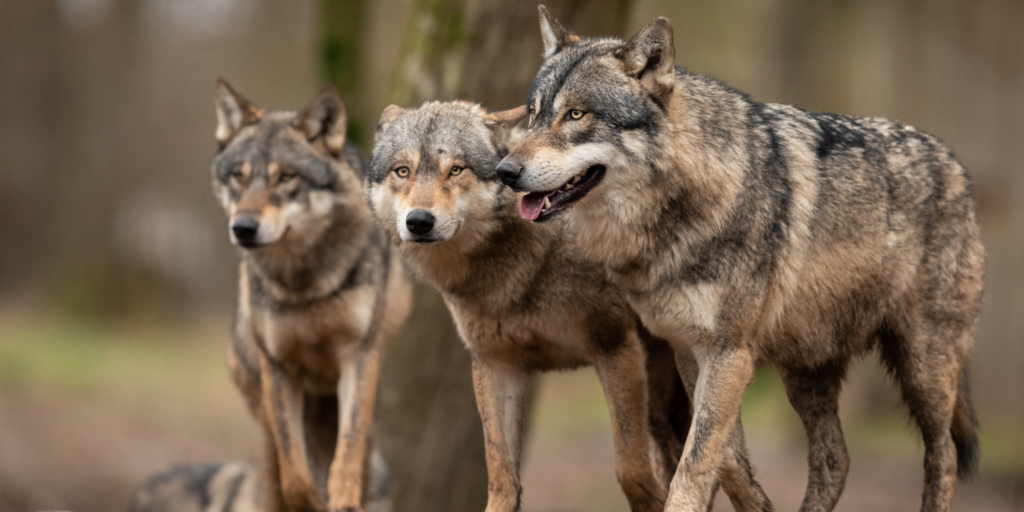
California’s ongoing gray wolf recovery has entered a new phase of debate following the publication of two studies from the University of California, Davis, that provide the most detailed look yet at what the state’s wolves are eating—and how they affect livestock.
The studies, published this week in the peer-reviewed journal PLOS One and related research, examined wolves from northeastern California and found that cattle made up a surprisingly large portion of their summer diet. The findings are expected to play a significant role in future discussions over wolf management, livestock protection, and conservation policy.
Cattle Made Up More Than Half of the Summer Diet
Researchers analyzed more than 100 wolf scat samples collected from the Lassen and Harvey packs during the summers of 2022 and 2023. Using DNA metabarcoding techniques, they identified the prey species consumed by the wolves.
The results showed:
- Cattle DNA was detected in 72% of all samples.
- Researchers estimated that cattle accounted for about 55% of the wolves’ summer diet.
- Wild prey made up roughly 40% of the diet, consisting primarily of mule deer along with small mammals.
- Small amounts of pigs, chickens, bison and other animals were also detected.
The researchers emphasized that DNA analysis cannot determine whether wolves killed the cattle themselves or scavenged animals that had already died. As a result, the study should not be interpreted as evidence that every instance involved livestock depredation.
Nevertheless, the study concludes that cattle have become an important food source for these California wolf packs during the summer grazing season.
Why Are Wolves Eating So Much Livestock?
The researchers point to several likely explanations.
Much of northeastern California consists of public and private rangelands where cattle graze throughout the summer, bringing wolves and livestock into close proximity.
At the same time, populations of native prey such as mule deer and elk remain relatively low in portions of the region after years of drought, habitat challenges and changing landscapes.
Researchers also note that wolves readily scavenge carcasses, meaning livestock that die from disease, injury or other causes may also become food for wolves.
Wolves Affect Ranches Even Without Killing Cattle
A companion UC Davis study looked beyond direct predation and found that the mere presence of wolves can have measurable effects on cattle operations.
Researchers documented changes in cattle behavior, including increased vigilance, reduced grazing time and greater movement across pastures. Those behavioral changes translated into lower weight gains for calves and additional costs for ranchers, even when no livestock losses occurred.
The findings add to a growing body of research suggesting that the economic impacts of wolves extend beyond confirmed depredation events.
What It Means for California Hunters
California currently has nine confirmed gray wolf packs, with additional wolves dispersing into new parts of the state. As wolf numbers continue to increase, hunters are closely watching potential impacts on deer and elk populations.
Interestingly, the new research found that mule deer represented a smaller share of the wolves’ diet than cattle during the study period. That differs from many wolf populations elsewhere in the Rocky Mountains and northern forests, where deer and elk typically make up the majority of wolf diets.
Because the study focused on only two packs during the summer months, it does not necessarily represent the diet of every wolf pack in California or during other seasons. Researchers say additional monitoring will be needed as the population expands.
The findings are likely to influence future discussions over California’s Wolf Conservation Plan, livestock compensation programs, non-lethal deterrence methods, and whether management policies should evolve as the state’s wolf population continues to grow.
For hunters, the study also highlights the importance of maintaining healthy wild ungulate populations. Robust deer and elk herds not only support hunting opportunities but may also reduce conflicts between wolves and livestock by providing more natural prey.
Stay Up to Date with Hunterizer
As gray wolves continue expanding across California, regulations, management policies, and wildlife distributions are evolving rapidly. The Hunterizer app helps hunters stay informed with current hunting seasons, zone maps, regulations, public land information, and the latest hunting news across California and other supported states. Whether you’re planning a deer hunt, following wolf management developments, or simply checking what species are in season today, Hunterizer keeps the latest information at your fingertips.