Find Wisconsin’s published 2026 hunting dates and seasons extending into early 2027. Filter by species and season type below. County, management-unit, permit and eligibility restrictions still apply.
Source: Wisconsin DNR season dates. Date summary checked October 17, 2026. Consult the current hunting regulations for limits, legal methods, shooting hours and complete special-season details.
Wisconsin hunting season dates
2026–2027 date summary. Check county or unit rules, legal game, bag limits, licenses, permits and shooting hours in the official agency regulations. Special hunts and property-specific exceptions may have different dates.
47 season date records shown
Deer
| Species | Season / method | Zone / eligibility | Dates |
|---|---|---|---|
| Deer | Archery / crossbow | Standard season; antlerless-only restrictions apply | Sep 12, 2026 – Jan 3, 2027 |
| Deer | Archery / crossbow | Metro subunits and designated extended-season counties only | Sep 12, 2026 – Jan 31, 2027 |
| Deer | Disability hunt | Participating properties; not statewide | Oct 3–11, 2026 |
| Deer | Youth / disability gun | Eligibility and area restrictions apply | Oct 10–11, 2026 |
| Deer | Gun | Standard gun season | Nov 21–29, 2026 |
| Deer | Gun | Metro subunits only | Nov 21 – Dec 9, 2026 |
| Deer | Muzzleloader | Open units; check DNR rules | Nov 30 – Dec 9, 2026 |
| Deer | Antlerless-only | December four-day hunt | Dec 10–13, 2026 |
| Deer | Antlerless-only | Holiday hunt; selected Farmland Zone 2 counties only | Dec 24, 2026 – Jan 1, 2027 |
Bear
| Species | Season / method | Zone / eligibility | Dates |
|---|---|---|---|
| Bear | Bait / other legal methods without dogs | Zones A, B and D | Sep 9–15, 2026 |
| Bear | Dogs / bait / other legal methods | Zones A, B and D | Sep 16 – Oct 6, 2026 |
| Bear | Dogs only | Zones A, B and D | Oct 7–13, 2026 |
| Bear | Bait / other legal methods without dogs | Zones C, E and F | Sep 9 – Oct 13, 2026 |
Teal
| Species | Season / method | Zone / eligibility | Dates |
|---|---|---|---|
| Teal | Early teal | Statewide; teal shooting hours differ | Sep 1–9, 2026 |
Goose
| Species | Season / method | Zone / eligibility | Dates |
|---|---|---|---|
| Goose | Early goose | Check zone and species rules | Sep 1–15, 2026 |
| Goose | Regular | Northern Goose Zone | Sep 16 – Dec 16, 2026 |
| Goose | Regular | Southern Goose Zone | Sep 16 – Oct 11; Oct 17 – Dec 6, 2026; Dec 19, 2026 – Jan 2, 2027 |
| Goose | Regular | Mississippi Goose Zone | Oct 3–11, 2026; Oct 17, 2026 – Jan 5, 2027 |
Rail
| Species | Season / method | Zone / eligibility | Dates |
|---|---|---|---|
| Rail | Regular | Virginia and sora rails | Sep 1 – Nov 9, 2026 |
Snipe
| Species | Season / method | Zone / eligibility | Dates |
|---|---|---|---|
| Snipe | Regular | Check DNR species rules | Sep 1 – Nov 9, 2026 |
Gallinule
| Species | Season / method | Zone / eligibility | Dates |
|---|---|---|---|
| Gallinule | Regular | Common gallinule | Sep 1 – Nov 9, 2026 |
Dove
| Species | Season / method | Zone / eligibility | Dates |
|---|---|---|---|
| Dove | Regular | Mourning dove | Sep 1 – Nov 29, 2026 |
Waterfowl
| Species | Season / method | Zone / eligibility | Dates |
|---|---|---|---|
| Waterfowl | Youth | Eligible youth; check DNR rules | Sep 19–20, 2026 |
Woodcock
| Species | Season / method | Zone / eligibility | Dates |
|---|---|---|---|
| Woodcock | Regular | Check DNR species rules | Sep 19 – Nov 2, 2026 |
Duck
| Species | Season / method | Zone / eligibility | Dates |
|---|---|---|---|
| Duck | Regular | Northern Duck Zone | Sep 26 – Nov 24, 2026 |
| Duck | Regular | Southern Duck Zone | Oct 3–11 and Oct 17 – Dec 6, 2026 |
| Duck | Regular | Open Water Duck Zone | Oct 17 – Dec 15, 2026 |
Coot
| Species | Season / method | Zone / eligibility | Dates |
|---|---|---|---|
| Coot | Regular | Each duck zone | Same dates as the duck season in the applicable zone |
Turkey
| Species | Season / method | Zone / eligibility | Dates |
|---|---|---|---|
| Turkey | Fall | Statewide; authorization and zone rules apply | Sep 12, 2026 – Jan 3, 2027 |
Cottontail rabbit
| Species | Season / method | Zone / eligibility | Dates |
|---|---|---|---|
| Cottontail rabbit | Regular | Northern Zone | Sep 12, 2026 – Feb 28, 2027 |
| Cottontail rabbit | Regular | Southern Zone | Oct 17, 2026 at 9 a.m. – Feb 28, 2027 |
| Cottontail rabbit | Regular | Milwaukee County | Year-round |
Squirrel
| Species | Season / method | Zone / eligibility | Dates |
|---|---|---|---|
| Squirrel | Regular | Gray and fox squirrels; statewide | Sep 12, 2026 – Feb 28, 2027 |
Pheasant
| Species | Season / method | Zone / eligibility | Dates |
|---|---|---|---|
| Pheasant | Regular | Statewide | Oct 17, 2026 at 9 a.m. – Jan 3, 2027 |
Ruffed grouse
| Species | Season / method | Zone / eligibility | Dates |
|---|---|---|---|
| Ruffed grouse | Regular | Zone A | Sep 12, 2026 – Jan 3, 2027 |
| Ruffed grouse | Regular | Zone B | Oct 17 – Dec 8, 2026 |
Crow
| Species | Season / method | Zone / eligibility | Dates |
|---|---|---|---|
| Crow | Regular | Statewide | Nov 21, 2026 – Mar 24, 2027 |
Hungarian partridge
| Species | Season / method | Zone / eligibility | Dates |
|---|---|---|---|
| Hungarian partridge | Regular | Closed in Clark, Marathon and Taylor counties | Oct 17, 2026 at 9 a.m. – Jan 3, 2027 |
Sharp-tailed grouse
| Species | Season / method | Zone / eligibility | Dates |
|---|---|---|---|
| Sharp-tailed grouse | Closed | No season in 2026 | Closed |
Bobwhite quail
| Species | Season / method | Zone / eligibility | Dates |
|---|---|---|---|
| Bobwhite quail | Regular | Statewide | Oct 17, 2026 at 9 a.m. – Dec 9, 2026 |
Coyote
| Species | Season / method | Zone / eligibility | Dates |
|---|---|---|---|
| Coyote | Hunting | Check DNR methods and property restrictions | Year-round |
| Coyote | Trapping | Check DNR rules | Oct 17, 2026 – Feb 15, 2027 |
Fox
| Species | Season / method | Zone / eligibility | Dates |
|---|---|---|---|
| Fox | Hunting / trapping | Red and gray fox | Oct 17, 2026 – Feb 15, 2027 |
Bobcat
| Species | Season / method | Zone / eligibility | Dates |
|---|---|---|---|
| Bobcat | Hunting / trapping | Period 1; permit required | Oct 17 – Dec 25, 2026 |
| Bobcat | Hunting / trapping | Period 2; permit required | Dec 26, 2026 – Jan 31, 2027 |
Raccoon
| Species | Season / method | Zone / eligibility | Dates |
|---|---|---|---|
| Raccoon | Hunting / trapping | Residents | Oct 17, 2026 – Feb 15, 2027 |
| Raccoon | Hunting / trapping | Nonresidents | Oct 31, 2026 – Feb 15, 2027 |
Wisconsin hunting: licenses, land and planning
Wisconsin offers exceptional hunting across forests, farmland, marshes, and the Great Lakes corridor. The state combines strong public-land access, broad deer and turkey opportunity, a deep small-game tradition, and a more technical regulations framework built around deer management units, permit drawings, species-specific harvest authorizations, and electronic registration requirements.
Overview of Hunting in Wisconsin
Wisconsin is one of the classic hunting states in the Upper Midwest. Hunters pursue whitetails, black bear, wild turkey, waterfowl, grouse, pheasants, squirrels, rabbits, and furbearers across a mix of public and private land.
Wisconsin is not a simple one-rule-fits-all state. Deer opportunity depends on deer management units, zone structure, and county-specific authorizations. Some high-demand species including bear, turkey, elk, bobcat, fisher, otter, and sharp-tailed grouse are controlled through drawings or special harvest authorizations rather than a standard over-the-counter approach.
Public Hunting Lands in Wisconsin
Wisconsin provides access to roughly six million acres of public lands through state properties and related access tools. Hunters can build trips around state wildlife areas, forests, flowages, and other DNR-managed lands. Hunting is allowed on most department lands, but property-level limitations still matter – some state parks or trails have partial closures, archery-only or muzzleloader-only sections, or no-hunting buffers near trails and high-use areas.
Wisconsin also supplements public access through private-land incentive programs. The Voluntary Public Access and Habitat Incentive Program (VPA-HIP) pays landowners who open land to public use, and the Turkey Hunting Access Program (THAP) opens certain private lands specifically for spring turkey hunting and scouting.
Licenses, Education, and First-Time Hunter Pathways
Wisconsin sells hunting licenses, permits, and harvest authorizations through the Go Wild system. Hunters should think in layers: a base hunting approval, then species-specific licenses, stamps, or harvest authorizations depending on what they plan to pursue.
Anyone born on or after January 1, 1973 must have hunter education on file to purchase a hunting license unless hunting under the mentored hunting law. Wisconsin also offers a mentored-hunting pathway: a new hunter can buy a mentored-only license and hunt without first completing hunter education, but the mentee must stay within arm’s reach of a qualified mentor.
How to Get a Hunting License in Wisconsin
Wisconsin hunting licenses are sold through Go Wild online and through license agents statewide. Like several other Midwestern states, Wisconsin uses one system for the base approval and then layers on species-specific licenses, stamps, or harvest authorizations.
Official online license sales: gowild.wi.gov
- Start in Go Wild with the correct resident, nonresident, youth, senior, or mentored hunting option for your situation.
- Add the species-specific approvals your hunt requires, such as deer, turkey, pheasant, waterfowl, HIP certification, or other harvest authorizations and stamps.
- If your target species is draw-based, such as bear, spring turkey, elk, bobcat, fisher, otter, or sharp-tailed grouse, make sure you apply before the deadline instead of assuming it can be bought at the last minute.
Deer Management Units, Zones, and Permit Logic
Deer regulations in Wisconsin are built around deer management units, zone structure, and special subunits rather than a single statewide pattern. The exact place where a hunter is standing can affect season timing, antlerless opportunity, extended archery availability, and whether extra harvest authorizations are valid. The DNR approved updated DMU boundaries beginning with the 2025 season.
Special-permit species create another layer of complexity. Bear, spring turkey, elk, bobcat, fisher, otter, and sharp-tailed grouse all rely on application deadlines and draw-based allocation rather than simple open purchase.
Harvest Registration and Reporting
Wisconsin uses GameReg for mandatory electronic harvest reporting. Deer, bear, turkey, sharp-tailed grouse, bobcat, fisher, and otter harvests must be reported electronically. For deer specifically, registration is required by 5 p.m. on the day after the carcass is recovered.
For migratory game birds, Wisconsin also requires annual HIP certification, which is free but must be completed each year before hunting ducks, geese, woodcock, dove, snipe, rails, gallinules, and coots.
Quick Wisconsin Regulation Takeaways
| Topic | Wisconsin-Specific Takeaway |
|---|---|
| Licensing | Use Go Wild for licenses, permits, and harvest authorizations. |
| Hunter education | Born on or after Jan. 1, 1973 generally need hunter education on file unless using a mentored-only path. |
| Mentored hunting | Allowed without prior hunter education, but the mentee must remain within arm’s reach of the mentor. |
| Deer | Rules depend on DMUs, zone structure, metro subunits, and county or unit-specific antlerless opportunity. |
| Draw species | Bear, turkey, elk, bobcat, fisher, otter, and sharp-tailed grouse involve application deadlines and drawings. |
| Harvest reporting | GameReg electronic reporting is mandatory for deer and several other species. |
| Migratory birds | HIP certification is required each year before hunting migratory game birds in Wisconsin. |
| Public land | Most DNR lands are open to hunting, but property-level closures, buffers, and method restrictions still matter. |
Private Land Access
Private land remains central to hunting in Wisconsin, especially in farmland deer country and in areas where access quality can differ dramatically from parcel to parcel.
When hunting private land outside a formal access program, hunters should confirm permission, parcel boundaries, and any local constraints before hunting. Where private land is enrolled in VPA-HIP or THAP, the state publishes maps and participation guidance, but the exact property rules still need to be checked before a hunt.
Species to Hunt in Wisconsin
Big Game
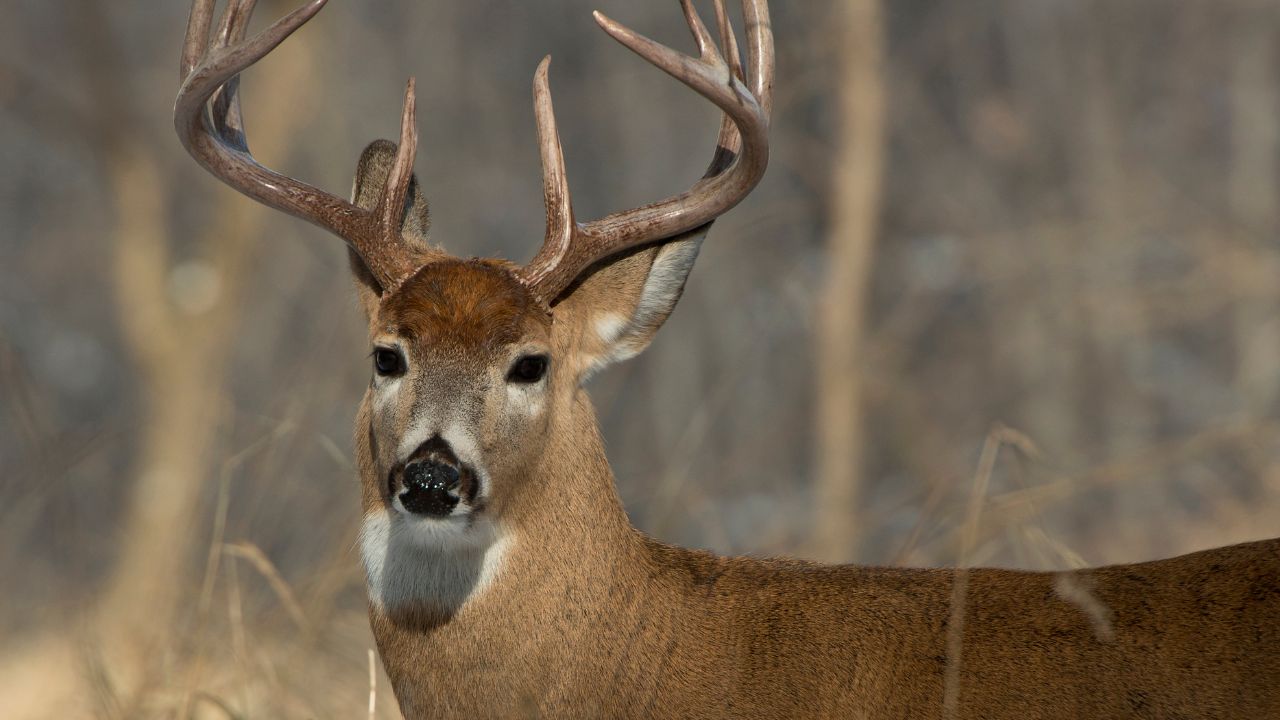
- White-tailed deer are the cornerstone of Wisconsin hunting and are pursued through archery, crossbow, gun, muzzleloader, and special opportunity structures depending on unit and season.
- Black bear are available through a permit system, and the season framework differs by bear management zone and by whether dogs are allowed.
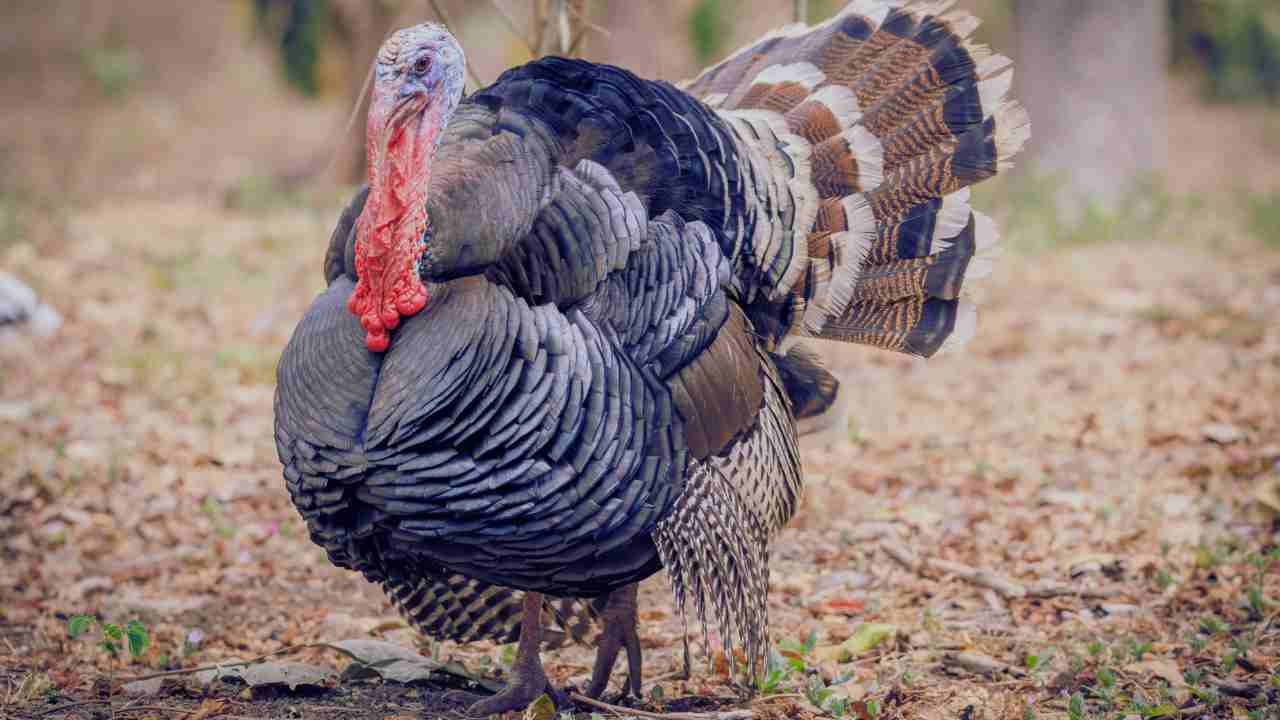
- Wild turkey are a major spring and fall opportunity. Spring harvest authorizations are period-based and tied to the drawing system.
Migratory Birds and Waterfowl
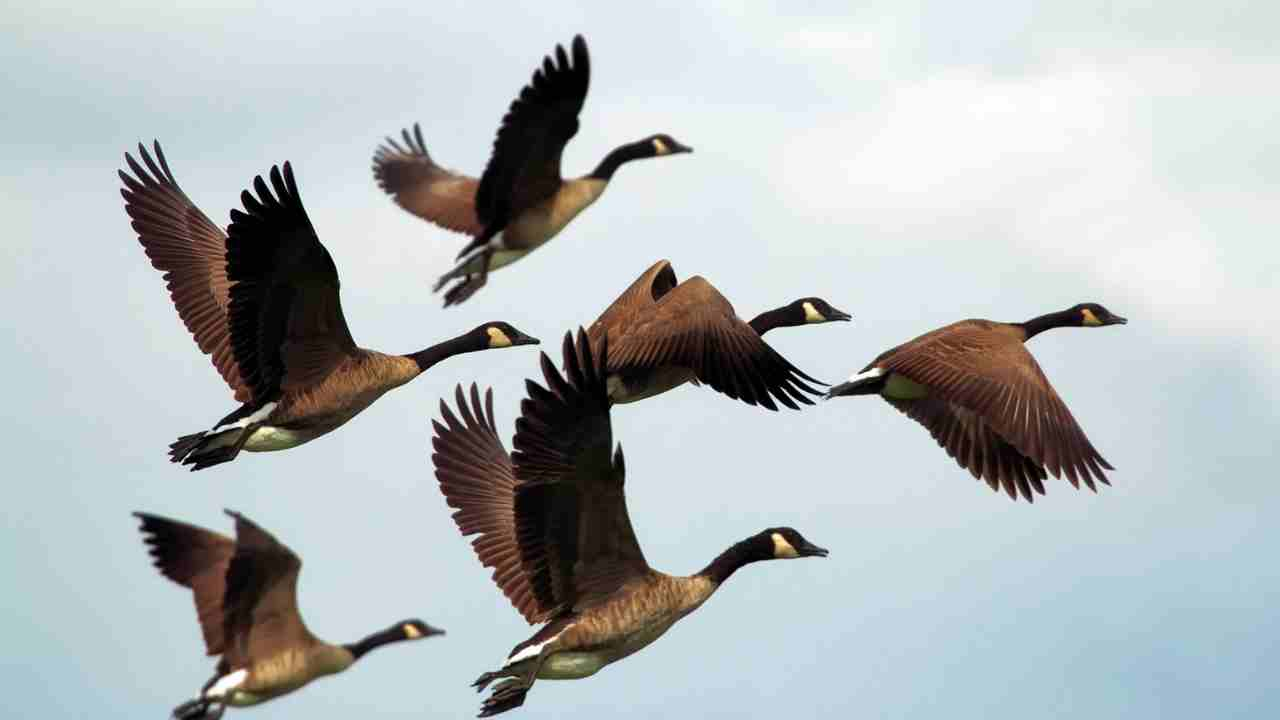
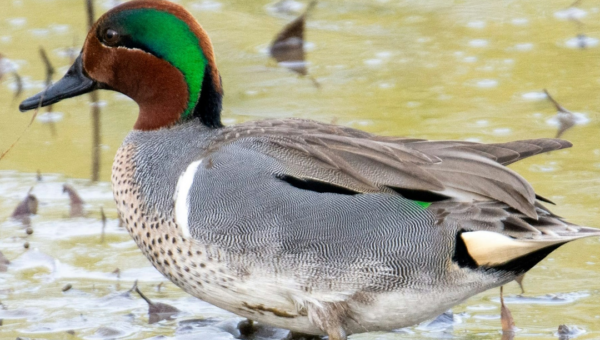
- Wisconsin offers ducks, geese, teal, dove, woodcock, rails, snipe, gallinules, and coots, with zone-based waterfowl frameworks and HIP certification requirements.
- Waterfowl hunters need to watch zone maps and annual season postings closely because dates vary by duck and goose zone.
Small Game and Upland Birds
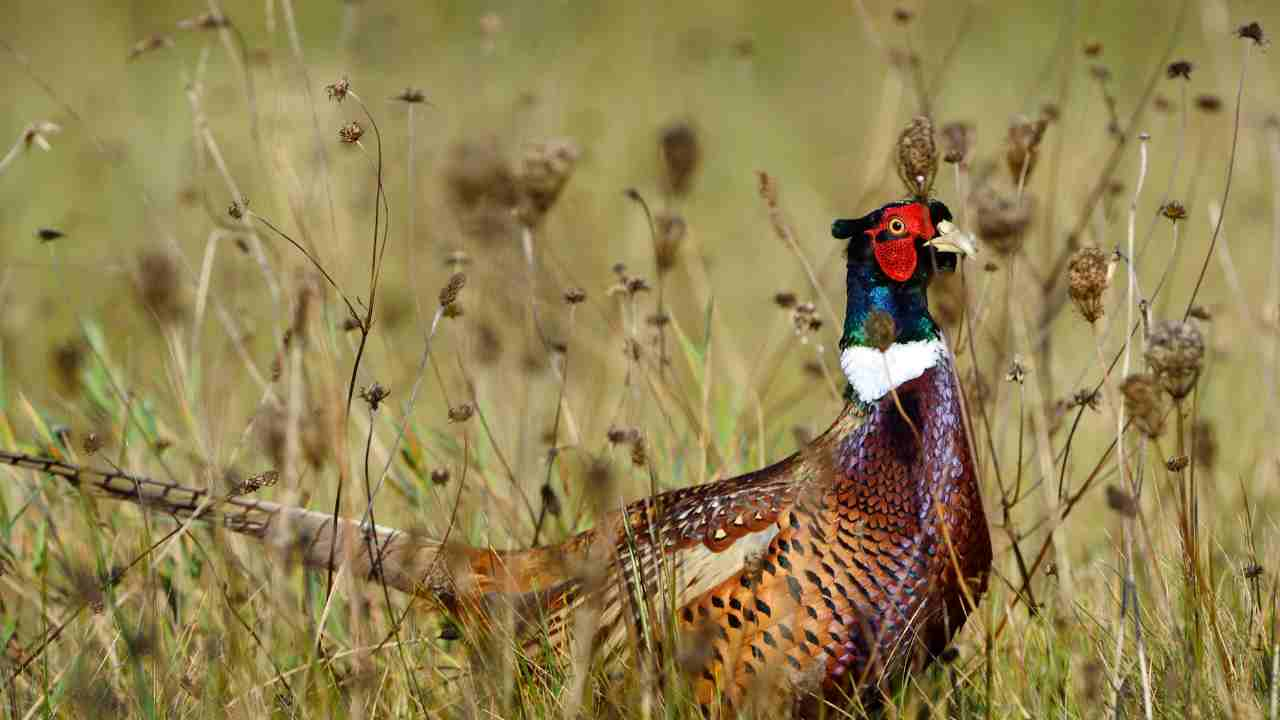
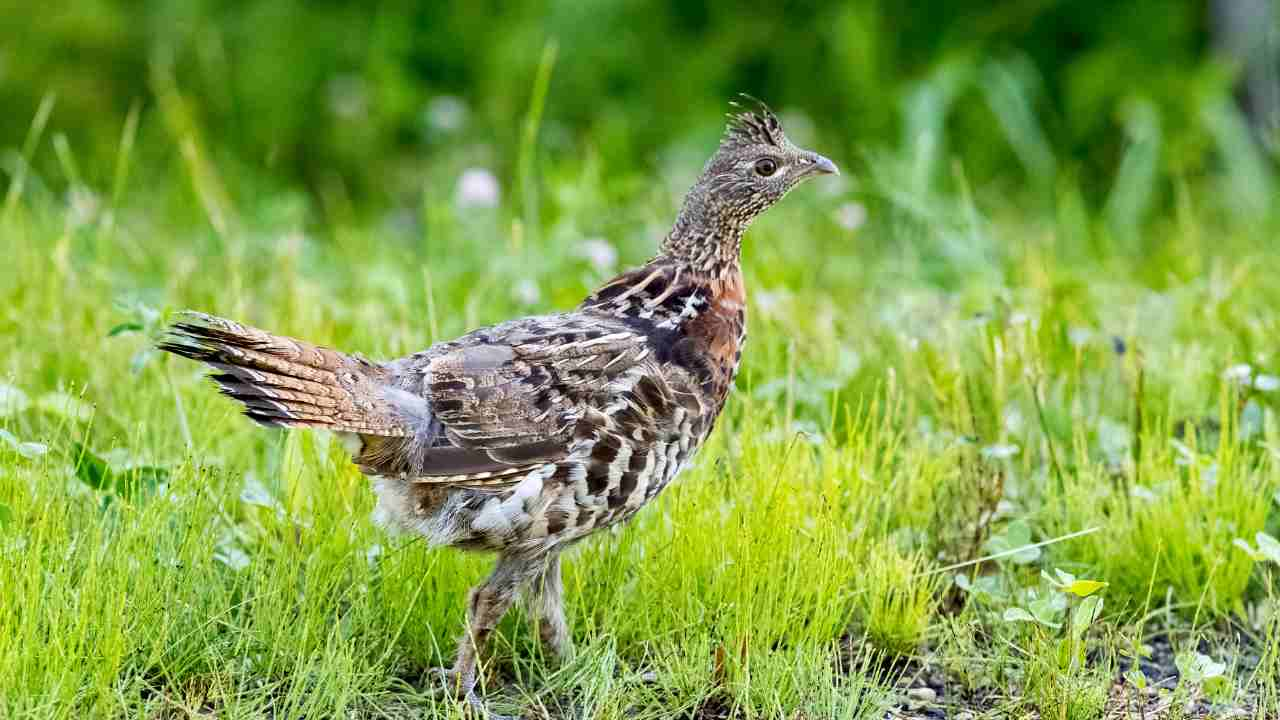
- Squirrels, cottontails, pheasants, grouse, partridge, quail, and crow all contribute to Wisconsin’s strong small-game culture.
- The DNR specifically notes that small game covers a wide variety of species, so hunters should review the rules for their actual target species rather than relying on the category name alone.
Furbearers and Other Regulated Species
- Bobcat, fisher, and otter are tightly regulated through permit systems and registration requirements.
- Protected-species rules matter: hunting badgers, jackrabbits, moose, and flying squirrels is prohibited.
Why Hunterizer Is Useful in Wisconsin
Wisconsin is exactly the kind of state where point-based regulation guidance helps. A hunter may be near a DMU boundary, inside a metro subunit, on a property with special access rules, or in an area where deer, turkey, or public-land rules shift faster than a printed overview can keep up with.
Big Game


Small Game and Upland Birds


Waterfowl and Migratory Birds


A map-first workflow is especially helpful in Wisconsin because what matters is often not just the county name or season name, but the exact parcel, unit, or zone a hunter is standing in. That is where Hunterizer-style location-aware regulation delivery becomes much more useful than reading static text alone.
Hunting Seasons
Prefer your phone? The Hunterizer app shows what’s in season for any species and GPS location — Available on iOS & Android with a 7-day free trial.
Hunterizer App
See Wisconsin regulations for your exact GPS location
Tap any spot on the map — the app instantly shows you what species are legal, bag limits, and zone boundaries right where you stand.
Free to try for a week · Includes WI
Frequently Asked Questions
When does deer season open in Wisconsin in 2026?
Wisconsin’s standard 2026 archery and crossbow season runs September 12, 2026–January 3, 2027, with extensions in designated areas. The standard gun season is November 21–29, 2026, followed by muzzleloader November 30–December 9. Special antlerless-only and eligibility restrictions apply.
What is the deer bag limit in Wisconsin?
Wisconsin deer harvest opportunity depends on your license and available harvest authorizations, especially for antlerless deer by zone.
How much is a Wisconsin hunting license?
Wisconsin hunting license pricing depends on residency, age, and species package. Hunters should confirm the current DNR fee schedule in Go Wild before purchasing.
Can I hunt turkey in Wisconsin?
Yes, Wisconsin offers spring and fall turkey hunting. Spring is tied to permit periods and drawing structure, while fall depends on open zones.
Is Sunday hunting legal in Wisconsin?
Yes, Sunday hunting is generally legal in Wisconsin, subject to the same local access, safety, and property rules that apply during the rest of the week.