California offers public duck hunting from the Klamath Basin to the Salton Sea — and a reservation isn’t always required. Here’s how Type A and B wildlife areas, federal refuges, reservations, lotteries, sweat lines and walk-in hunting actually work.
California may be famous for expensive private duck clubs, but hunters don’t need to belong to one to experience some excellent waterfowl hunting.
The state has an extensive system of CDFW wildlife areas and federal National Wildlife Refuges open to public hunting. They range from famous Sacramento Valley refuges such as Sacramento, Delevan and Colusa to San Joaquin Valley wetlands around Los Banos, Bay Area salt ponds at Don Edwards and Southern California opportunities at San Jacinto, Wister and the Salton Sea.
California winters an estimated 4–6 million waterfowl annually — roughly 60% of the Pacific Flyway’s waterfowl population — making these public wetlands particularly important to both birds and hunters.
The system can look intimidating to a new hunter, however. Reservations, Type A and Type B passes, lotteries, check stations, assigned blinds, free-roam areas and “sweat lines” all mean different things.
Fortunately, it’s easier once you understand how the system works.
First: What Are Type A, B and C Wildlife Areas?
CDFW classifies state-operated hunting areas according to how hunter access is managed.
Type A areas have restricted hunter capacity and generally operate check stations on designated hunt days. Adult hunters need a prepaid Type A hunting pass before arriving. A one-day, two-day or season pass can be used, depending on the pass purchased.
These include well-known destinations such as Gray Lodge, Grizzly Island, Los Banos, Mendota and San Jacinto, along with several federal refuges administered cooperatively through CDFW’s hunting system.
Type B areas are generally less restrictive. Adult hunters need a Type A or Type B season pass, rather than purchasing individual Type A hunt days. Reservations are typically required for the opening weekend of waterfowl season, but after opening weekend hunters can generally use these areas on authorized hunt days without going through the regular reservation system, subject to individual-area rules and available capacity.
Examples include Ash Creek, Shasta Valley and Willow Creek in northeastern California.
Type C areas generally don’t require purchase of a hunting-area pass, although individual properties can still have permits, drawings or special restrictions. Sacramento Bypass, for example, is classified Type C and can provide waterfowl hunting when conditions produce sufficient flooding.
The important lesson is that the letter tells you something about the access system — not how good the hunting is.
A Reservation Is Valuable — But You Often Don’t Need One
This is probably the most misunderstood part of California public-land duck hunting.
For many Type A areas, a reservation gives you priority entry; it does not mean hunters without reservations are automatically excluded.
CDFW conducts advance reservation drawings for many state-operated areas. Hunters can apply through CDFW’s licensing system, and applications must generally be submitted 17 days before the hunt date.
If you draw a low reservation number, you’re in an excellent position: reservation holders are normally processed first and get first access to blinds, assigned ponds, zones or free-roam areas.
But every reservation holder doesn’t show up.
That’s where the California duck hunter’s famous “sweat line” comes in.
No Reservation? You Can Still Hunt
At many popular Type A areas, hunters without reservations can enter a night-before lottery for openings remaining after reservation holders are processed.
At the Sacramento National Wildlife Refuge Complex, for example, hunters without reservations can enter a lottery at the check station the evening before a hunt. Reservations are processed first, followed by hunters from the lottery. Additional hunters can then enter as vacancies become available under the area’s refill procedures.
The San Luis and Merced refuge system works similarly. Hunters without reservations can enter the evening lottery. After reservation holders are admitted, available spaces go to lottery hunters and then to hunters waiting on the first-come, first-served or “sweat line” list.
That means failing to draw a reservation doesn’t necessarily mean staying home.
On many days — particularly away from opening weekend and other high-demand dates — hunters can still get onto excellent public areas without having drawn anything in advance.
What If the Refuge Is Full?
Wait.
Hunters leave throughout the day, and many Type A areas use refill procedures to replace departing hunters until the area’s cutoff time.
This creates another opportunity that beginners sometimes overlook.
Instead of arriving at 3 a.m. and competing for the initial morning entry, you may be able to arrive later, put your name on the waiting list and enter when another hunter checks out.
Exactly how refills work and when they stop varies by property. For example, San Jacinto Wildlife Area fills vacancies for hunters without reservations but stops filling them after 1 p.m.
So yes — an afternoon public-land duck hunt can absolutely be possible.
Late entry can be particularly attractive for hunters who don’t care about being in the marsh at first light. You avoid the predawn rush, and a departing hunter creates space for someone waiting at the check station.
Always check that particular area’s refill rules before making the drive.
State Wildlife Area or Federal Refuge?
Both can provide excellent hunting, but the name on the property doesn’t necessarily tell you how you’ll gain access.
CDFW operates many wildlife areas directly. Federal refuges are managed by the U.S. Fish and Wildlife Service, but several federal refuges participate in California’s state reservation and check-station system.
The famous Sacramento, Delevan, Colusa and Sutter National Wildlife Refuges, for example, operate as Type A hunting areas. Hunters need the appropriate Type A pass and use the reservation/lottery/check-station process.
The San Luis and Merced National Wildlife Refuges also cooperate with CDFW. Their hunt units include everything from assigned blinds and assigned ponds to large free-roam marshes and even boat-only hunting areas. Reservations are available and valuable, but aren’t mandatory for every hunt if space remains.
Other federal refuges work very differently.
Bay Area Hunters Have an Unusual Option: Don Edwards
One of California’s most interesting public waterfowl opportunities sits directly beside one of its largest metropolitan areas.
Don Edwards San Francisco Bay National Wildlife Refuge contains approximately 10,580 acres of tidal areas and salt ponds open to waterfowl hunting around the South Bay.
This is not a traditional Type A refuge where hunters apply through the CDFW reservation drawing.
For the 2026–27 season, hunters using the Alviso Ponds need a free Don Edwards waterfowl hunting permit, issued through the refuge. The refuge recommends carrying the permit in the Ravenswood and Mowry pond areas as well. Open bay and slough hunting is governed by California waterfowl regulations without the refuge permit requirement.
That makes Don Edwards especially interesting for Bay Area hunters who don’t draw one of the Central Valley refuges.
But don’t confuse easy access with easy terrain.
The refuge specifically warns that although ponds may appear shallow, the bottom can consist of very soft bay mud where a hunter may sink several inches or even feet. Simply putting on chest waders and walking across a pond isn’t necessarily safe or practical.
Small boats, kayaks and other appropriate craft can be useful for some areas, and boat launches provide access to portions of the South Bay.
Do You Need a Boat?
Usually not — but it depends entirely on the hunt unit.
Many California public duck areas are designed around walking from a parking lot to a blind, assigned pond or free-roam marsh. For those areas, good chest waders, decoys and a way to carry your equipment may be all you need.
Other units are explicitly boat-access only.
At San Luis NWR, for example, the North Freitas and South Freitas units are boat-access waterfowl areas. Hunters launch into the San Joaquin River or Salt Slough and travel by boat into the hunting area.
At Don Edwards, boats can greatly expand access, while the dangerous bay mud makes assuming that everything is wadeable a bad idea.
So before buying a boat because you want to hunt public land, pick the areas you actually intend to hunt. Plenty of California duck hunting can be done with waders rather than a boat.
Northern California: The Big Refuge Country
The Sacramento Valley contains some of California’s most famous public waterfowl areas.
Sacramento, Delevan, Colusa and Sutter NWRs, together with nearby state areas such as Gray Lodge, provide extensive managed wetland habitat and draw huge numbers of wintering birds.
Bird numbers generally build as fall migration progresses.
The Sacramento refuge complex reports that migratory waterfowl begin returning in September, increase through fall and typically peak in late November and early December. Later in December, rainfall and newly flooded habitat elsewhere in the Central Valley can spread ducks across a larger landscape, while goose numbers become particularly strong.
Delevan alone regularly holds more than 300,000 ducks and 100,000 geese at peak periods in November and December.
That doesn’t mean opening day or January can’t produce excellent hunting. Weather can change everything. But if you’re asking when California is carrying its largest concentrations of migrating waterfowl, November and December are generally the heart of the migration.
San Joaquin Valley: Excellent Public Options Too
California duck hunting doesn’t stop south of Sacramento.
The Grasslands region around Los Banos and Merced contains an enormous concentration of wetlands and some outstanding public opportunities.
Los Banos Wildlife Area includes approximately 6,200 acres of wetland habitat and operates as a Type A area. Nearby Volta and Mendota Wildlife Areas also use Type A hunting passes.
The neighboring San Luis and Merced National Wildlife Refuges provide an unusually broad variety of hunt styles: free-roam marsh, assigned blinds, assigned ponds, exclusive zones and boat-access hunting.
For a hunter learning California’s public system, the Los Banos–San Luis–Merced area deserves just as much attention as the better-known Sacramento Valley refuges.
Southern California Hunters Have Public Duck Hunting Too
Southern California waterfowl hunters don’t have to drive to Sacramento.
San Jacinto Wildlife Area in Riverside County is a Type A hunting area with waterfowl reservations available through CDFW. Hunters without reservations can register at the check station on hunt mornings for the vacancy drawing, with vacancies filled until 1 p.m.
Farther southeast, the Imperial Valley and Salton Sea provide another major public waterfowl destination.
The Sonny Bono Salton Sea National Wildlife Refuge allows waterfowl hunting in designated portions of Unit 2. Hunters use blinds around the Union Farm Fields and Hazard Ponds, and the hunt is administered through the nearby Wister check station. Reservation holders receive priority, and hunters must check in and report their harvest when leaving.
This is very different habitat from a Sacramento Valley rice field or South Bay salt pond, but it demonstrates just how geographically diverse California’s public duck hunting opportunities are.
What About Resident Ducks?
Not every duck you see in California migrated thousands of miles to get here.
California supports locally breeding populations, particularly mallards, along with other resident and locally produced waterfowl. Permanent wetlands can hold resident birds throughout summer, and the Sacramento refuge system specifically notes mallards and Canada geese among its year-round residents.
Areas with permanent marshes, rivers, reservoirs and managed wetlands can therefore hold local birds early in the season before major waves of northern migrants arrive.
That can make early-season hunting more dependent on local production, while November and December generally bring much larger numbers of migratory birds into the state.
By midwinter, California’s public wetlands can look completely different from opening weekend.
Don’t Assume Every Refuge Works the Same Way
This may be the most important lesson for a new California public-land duck hunter.
At Gray Lodge, you’re dealing with a Type A check-station system.
At Sacramento NWR, you’re on federal land but still using the Type A reservation/lottery system.
At San Luis NWR, you might hunt free roam, an assigned blind or even a boat-only unit.
At Don Edwards, you’re dealing with a refuge-specific permit rather than the traditional Type A reservation system.
At Ash Creek, you’re on a Type B area where opening weekend works differently from much of the remainder of the season.
And at some Type C areas, no hunting-area pass is required at all.
Always look up the individual property rules before leaving home.
What You Need Before Heading Out
At a minimum, adult California duck hunters generally need a California hunting license, California Duck Validation, HIP Validation and Federal Duck Stamp. Junior exemptions apply to some requirements. Hunters entering Type A areas also need the appropriate prepaid hunting pass.
Importantly, check stations do not sell the required hunting passes or license items, so don’t arrive at 4 a.m. expecting to buy everything there.
Hunters can find CDFW’s reservation information, regulations and public hunting-area information on the CDFW Waterfowl Hunting page:
https://wildlife.ca.gov/Hunting/Waterfowl
Federal refuge rules should also be checked directly with the individual refuge because access procedures can differ significantly.
Find Your Next Public-Land Duck Hunt With Hunterizer
California’s public waterfowl system offers far more opportunity than many hunters realize, but figuring out where hunting is allowed, which zone you’re in and what’s currently in season can be challenging.
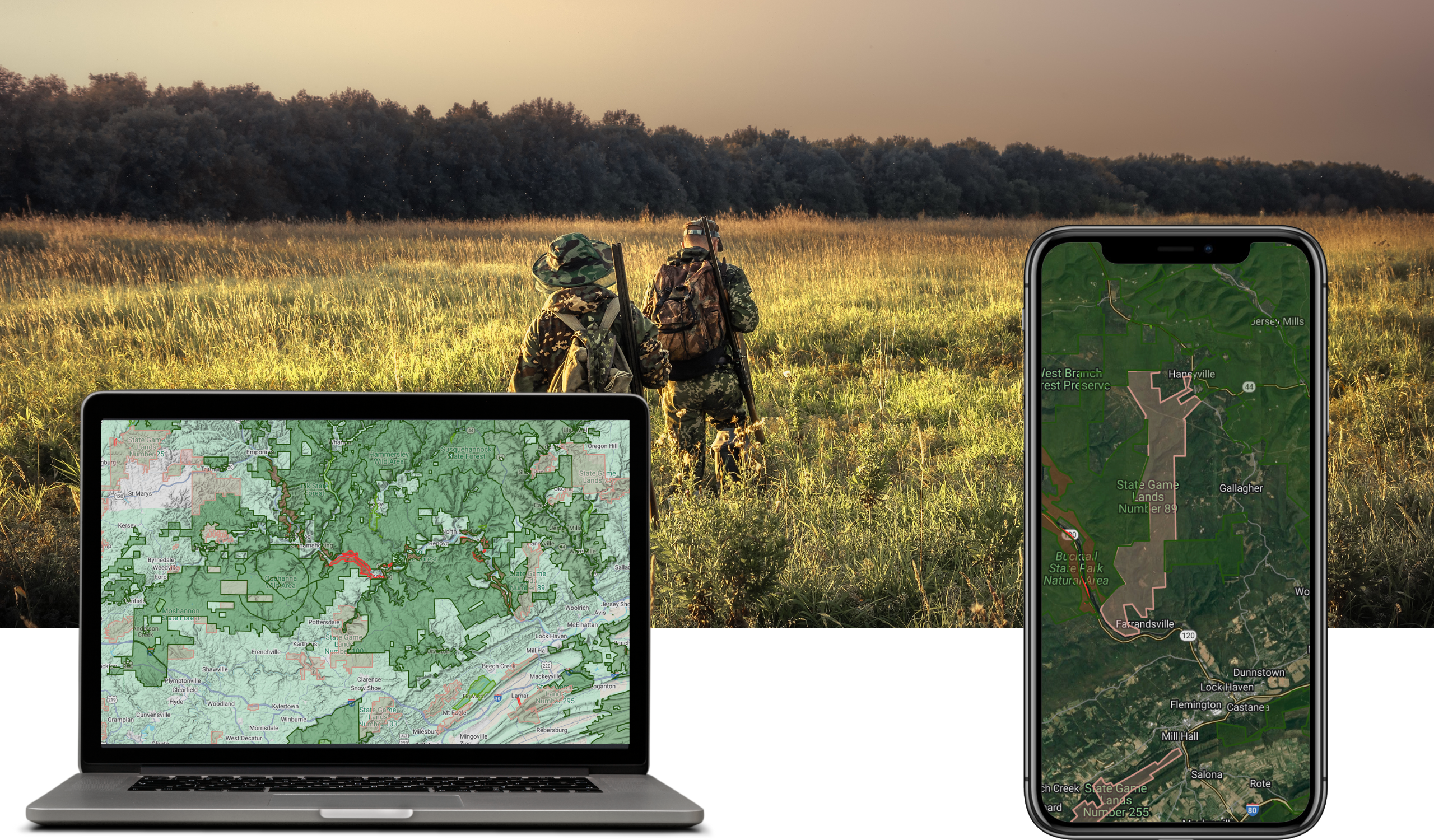
The Hunterizer app helps hunters see what they can legally hunt at their location on a particular date, along with waterfowl zones, season dates, shooting hours, bag limits and other important regulations.
Hunterizer also includes photos of all duck species found in California, including both male and female birds, making it easier to study identification before a hunt and identify birds in the field. That can be particularly valuable later in the season when several species are using the same marsh and species-specific limits apply.
Whether you’re standing in the sweat line at a Sacramento Valley refuge, walking into a San Joaquin Valley marsh, hunting the salt ponds of San Francisco Bay or heading south toward San Jacinto and the Salton Sea, California offers public duck hunting from one end of the state to the other.
You don’t necessarily need a private duck club — and in many places, you don’t even need to draw a reservation.