The 2026 Wisconsin elk hunt application window runs March 1 through May 31, giving resident hunters a chance to enter drawings for limited harvest authorizations in both the Northern Elk Management Zone and the Central Elk Management Zone. This year, the state has refined elk license allocations by assigning quotas to specific subunits or unit groupings within each zone so that harvest pressure is spread more evenly and wildlife managers gain better local control over elk populations and distribution.
Quotas, Subunits, and Draw Structure
For 2026, elk harvest quotas are tied to defined unit groups rather than the entire management zone:
Northern Elk Management Zone (formerly Clam Lake Elk Range):
- Unit Group A (Unit 1) – 1 bull elk license
- Unit Group C (Units 3, 4, 5) – 1 bull elk license
- Unit Group D (Units 6, 7) – 2 bull elk licenses
- (Unit Group B is closed to harvest this year.)
Central Elk Management Zone (formerly Black River Elk Range):
- Unit Group E – 2 bull elk licenses and 3 antlerless elk licenses
- Unit Group F – 2 bull elk licenses
- Unit Group G – 2 bull elk licenses and 3 antlerless elk licenses
Hunters may submit one bull elk license application and one antlerless elk license application separately, selecting any unit group that offers that tag type. Bull licenses are drawn first, followed by antlerless licenses. Only Wisconsin residents are eligible for these licenses, and hunters may receive only one elk license per lifetime, regardless of tag type.
Season Format and Dates
The 2026 elk season features a single continuous fall hunting period rather than the split season used in past years. The hunt will open Saturday, October 17, and run through Sunday, December 13, offering more flexibility and days afield for those drawn.
Applications can be submitted online through the Go Wild license portal or in person at authorized sales agents. Each application costs $10, with most of that fee directly supporting elk management, monitoring, and habitat efforts. If drawn, the elk license itself costs $49, and successful applicants must complete a Wisconsin elk hunter education course before receiving their license.
What Hunters Should Know
The switch to unit-specific quotas is designed to help distribute harvest more effectively across the elk range and reduce localized pressure where populations are concentrated, while still providing opportunity where elk densities support it. These subunit designations also help wildlife managers address conflicts, such as vehicle collisions and agricultural impacts, on a more localized basis.
Because elk tags are limited and the odds of drawing one can be low, planning ahead and understanding unit boundaries, quotas, and application deadlines can improve hunters’ chances. Hunters should review the current elk hunting regulations and zone/unit maps before submitting their applications.
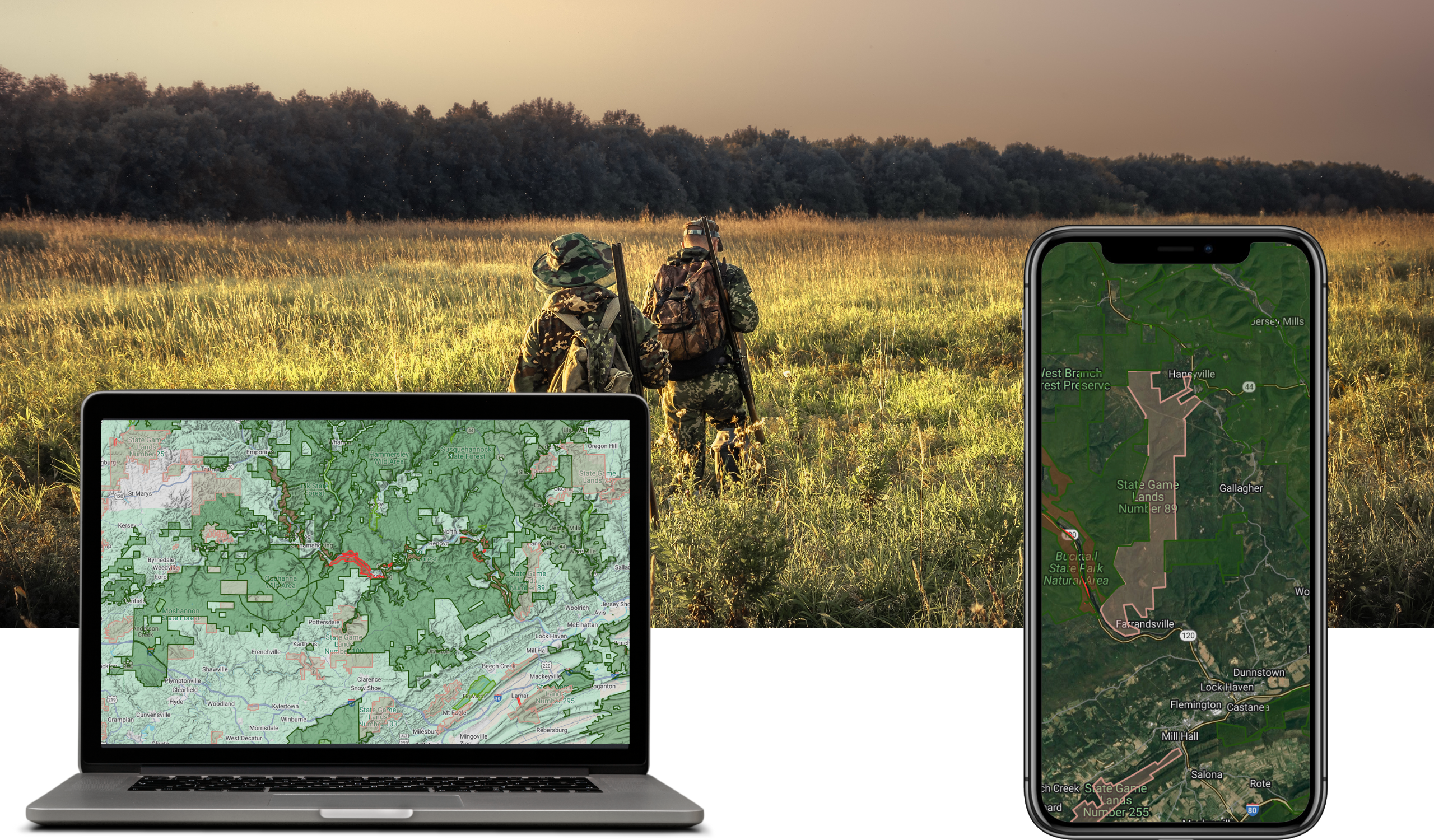
Hunterizer will continue tracking application deadlines, draw results, and regulatory updates to help Wisconsin hunters prepare for the 2026 elk season. Use the Hunterizer to stay informed on unit quotas, permit notifications, and rule changes as the season approaches.
Hunterizer App
Hunting Wisconsin? See exactly what’s in season at your GPS location.
The Hunterizer app shows species, bag limits, and zone rules for your exact coordinates — for every county in Wisconsin.