Major fires have affected hunting areas in Southwest Idaho, but hunting seasons remain open. Hunters should check fire maps, road closures and public-land restrictions before heading into the field.
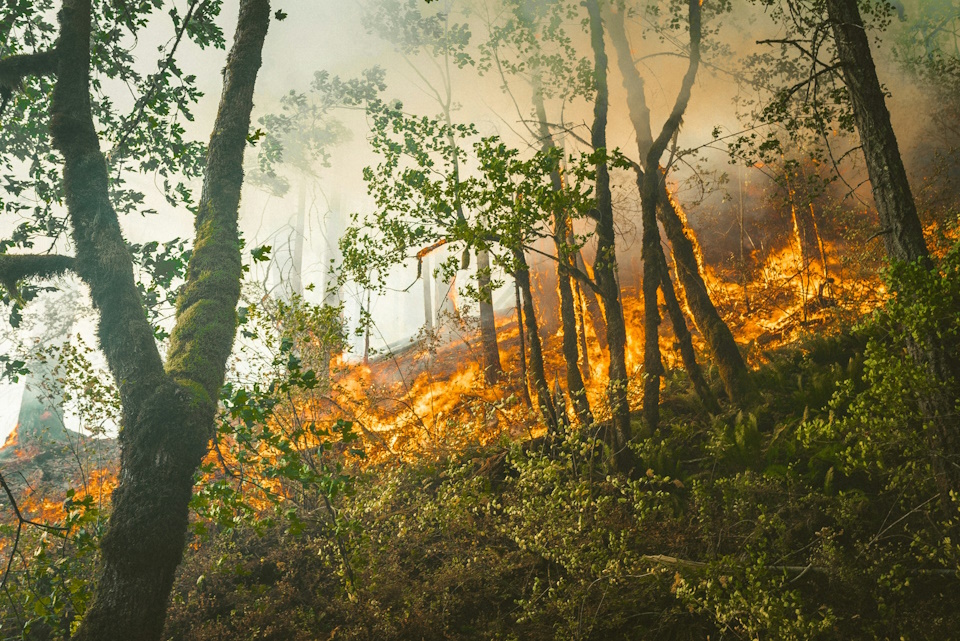
As Idaho’s 2026 hunting seasons get underway, wildfires are creating access problems across portions of the state and have burned through hundreds of thousands of acres of wildlife habitat. Idaho Fish and Game says that no hunting seasons have been changed because of the fires so far, but hunters may encounter closed roads, trails and public lands — particularly in Southwest Idaho.
Two fires have been especially significant for hunters: the Big Grass Fire in Owyhee County and the Tartar Fire in Washington County. Together, they have affected country used by deer, elk, pronghorn and upland bird hunters just as Idaho’s early fall seasons are beginning.
Big Grass Fire Affects Units 40, 41 and 42
The Big Grass Fire along the Idaho-Oregon border has become one of the largest fires of the 2026 season. By August 20, it had burned roughly 579,000 acres across Oregon and Idaho and was reported at about 85% containment.
On the Idaho side, the fire has affected portions of Game Management Units 40, 41 and 42, important hunting country in the Owyhee region. Idaho Fish and Game specifically warned hunters about impacts to archery pronghorn Hunt Area 40-1 and controlled archery deer hunts in areas 40 and 41-1, which opened August 15. General archery deer seasons are scheduled to begin August 30, followed by sage-grouse season September 15.
BLM issued a large temporary public-land closure in Owyhee County during the fire, including land south of Trout Creek and Silver City roads toward the Oregon border and Highways 78 and 51. Because closure boundaries and expiration dates can be extended or changed as conditions develop, hunters planning to use Units 40–42 should verify the current BLM closure map immediately before traveling.
Tartar Fire Burns Through Unit 31 and Brownlee Elk Zone
Farther north, the Tartar Fire burned approximately 158,000 acres north of Weiser, including country around Mann Creek, Hitt and Sturgill mountains and Brownlee. The affected hunting country includes Game Management Unit 31 and the Brownlee Elk Zone.
That matters as several seasons begin. An antlerless elk season on and within one mile of agricultural lands in Unit 31 opened August 15, while archery deer and Brownlee A-tag archery elk seasons begin August 30. Additional hunts take place later in the fall.
Access conditions around this fire have been changing. BLM announced on August 14 that it was lifting its Tartar Fire closure on BLM-administered lands because of the lack of additional fire progression, but hunters also need to watch for separate Forest Service restrictions on the Payette National Forest. BLM and Forest Service closures are separate, meaning the reopening of one agency’s land does not automatically mean adjacent public land is open.
A Fire Usually Does Not Close the Hunting Unit
One important distinction for hunters is the difference between a hunting season closure and a land or road closure.
Idaho Fish and Game generally does not cancel a hunt simply because a wildfire is burning within the hunting unit. A fire may affect only one part of a large unit, leaving substantial areas legally accessible. Fire closures also often end before the hunting season does. IDFG recommends looking for another accessible portion of the hunt area or, when possible, delaying the hunt until conditions improve.
Controlled-hunt holders have fewer options because their tags are tied to particular hunt areas. However, before a controlled hunt begins, hunters may be able to exchange a controlled-hunt tag for a general-season tag through an Idaho Fish and Game regional office. Controlled-hunt fees are not refunded in such an exchange. Hunters considering that option should contact IDFG before their season starts.
Fire Restrictions Can Affect Your Hunt Even Outside the Flames
Hunters should also distinguish an area closure from fire restrictions. Restrictions do not necessarily prohibit hunting or entering an area, but they can limit activities that could start another fire.
During Stage 1 restrictions, campfires are generally limited to designated recreation sites with approved fire structures. Stage 2 restrictions are substantially more restrictive and prohibit campfires. Depending on the location and restriction level, additional rules can affect smoking, vehicles, generators and other potential ignition sources.
This is particularly important for hunters camping in the backcountry. A hunting area can remain legally open while the way hunters camp and travel within it is restricted.
Where Idaho Hunters Should Check Before Leaving Home
Wildfire information can change daily — and sometimes within hours. Before traveling to an Idaho hunting area this fall, check several official sources:
Idaho Fish and Game Fire Information — A hunter-oriented starting point showing wildfire information and links to closures and restrictions.
https://idfg.idaho.gov/fire
InciWeb — Federal incident information for major wildfires, including maps, acreage, containment and incident updates.
BLM Idaho Advisories and Closures — Important for hunters using BLM lands, particularly in southern and southwestern Idaho.
Idaho Department of Lands Fire Restrictions — Check current Stage 1 and Stage 2 restrictions around the state.
Payette National Forest Alerts — Particularly important this year for hunters heading into the Tartar Fire area and other parts of west-central Idaho.
Hunters should also check the specific National Forest, BLM field office or other land-management agency responsible for their hunting area. A wildfire map showing that a fire is contained does not necessarily mean all roads, trails and public lands have reopened. Closures can remain in place for firefighter safety, damaged roads, falling trees and post-fire rehabilitation.
What Fires Could Mean for Hunting Later This Fall
The immediate effects of a large wildfire can be frustrating for hunters, but burned country does not necessarily mean poor hunting for years to come. Fire can remove cover and temporarily displace deer, elk and other wildlife, while animals may move into adjacent unburned pockets during and immediately after a fire.
Over the longer term, burns can also produce new grasses, shrubs and other forage as vegetation regenerates. The effect varies considerably depending on fire severity, habitat type and how quickly vegetation recovers. Hunters returning to these areas in future seasons may find substantially different patterns of cover, forage and animal movement.
For the 2026 season, however, the most important issue is access. Idaho Fish and Game’s advice is straightforward: don’t assume that a fire means your hunt is lost, but don’t assume your normal road, trailhead or hunting spot is accessible either. Have alternative areas and routes identified before leaving home.
Hunterizer Helps You Adjust When Conditions Change
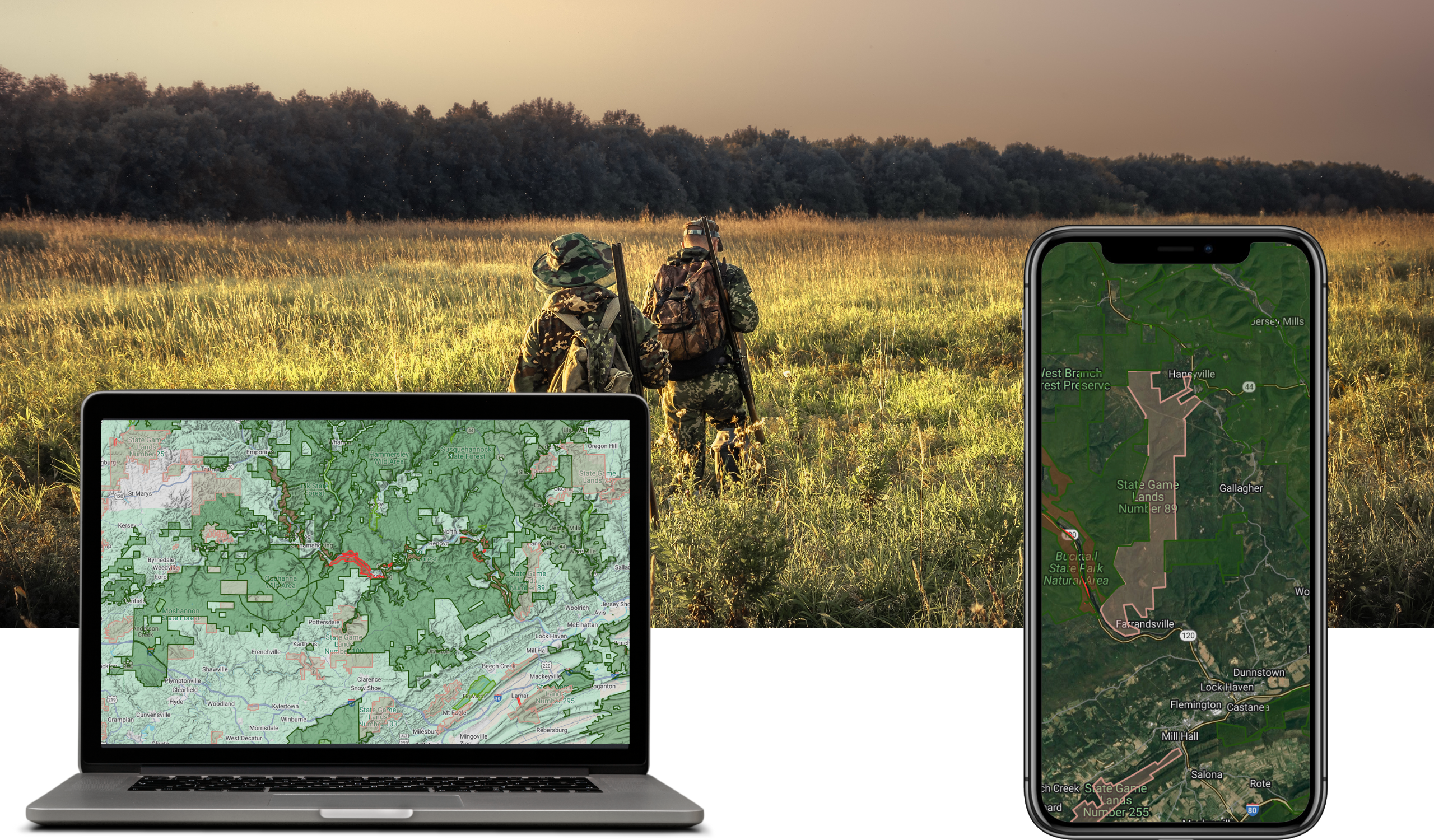
Wildfires can force hunters to change plans quickly, but hunting regulations still apply wherever you relocate within your legal hunt area. The Hunterizer app helps Idaho hunters check season dates, hunting zones, legal weapons, bag limits and other regulations, along with maps that can help hunters understand where their seasons are open.
Before heading into the field, use Hunterizer to check the hunting regulations for your location, then pair that information with the official wildfire and closure resources above. When fires force a change of plans, having both the hunting regulations and current land-access information available can make it much easier to find a legal and accessible alternative.