USFWS estimates 33.4 million breeding ducks across the traditional survey area, with mallards and pintails declining but improving prairie water conditions offering some encouraging news for hunters heading into the 2026–27 season.
The U.S. Fish and Wildlife Service has released its 2026 Waterfowl Population Status Report, providing hunters with one of the most important annual snapshots of North America’s ducks, geese and swans. The report incorporates results from the Waterfowl Breeding Population and Habitat Survey, commonly called the “May Survey,” conducted in cooperation with the Canadian Wildlife Service and state and provincial wildlife agencies.
The overall picture is mixed. USFWS estimated 33.4 million breeding ducks in the traditional survey area, roughly unchanged from 33.9 million in 2025 but 6% below the long-term average. Several species important to hunters declined, particularly mallards, northern pintails and blue-winged teal. At the same time, improved wetland conditions across important Canadian breeding grounds could help produce more young ducks for the fall migration.
Mallards Fall to Lowest Estimate Since 1993
The biggest concern is the mallard population. The 2026 estimate fell 11% to approximately 5.9 million birds, putting mallards 26% below their long-term average. It is the lowest estimate since 1993 and the ninth-lowest recorded during the history of the survey.
Northern pintails also continue to struggle. Their estimated population declined 11% to approximately 1.9 million, which is a troubling 48% below the long-term average. Blue-winged teal declined 11% as well, to about 3.9 million, and are now 22% below their long-term average.
There is considerably better news among some diving ducks. Redheads remain 26% above their long-term average, while canvasbacks are 32% above average. These numbers stand in sharp contrast to the long-term declines seen in mallards and pintails.
More Water Could Mean More Young Ducks This Fall
One of the most encouraging findings for hunters is the improvement in breeding habitat. USFWS estimated 4.8 million May ponds, an increase of 14% from 2025, although still 9% below the long-term average.
Conditions improved especially sharply in Prairie Canada, where pond numbers increased 29%. The U.S. prairie region moved in the opposite direction, with pond numbers declining about 10%. Better Canadian conditions arrived at an important time because the dry conditions of 2025 likely contributed to weaker reproduction and fewer birds returning to breeding grounds this spring.
For hunters, this is an important distinction: the 33.4 million figure represents the spring breeding population, not the number of ducks that will migrate south this fall. Successful nesting and brood survival can add millions of young birds before migration, so improved habitat provides some reason for optimism even though the breeding population itself remains below historical levels.
What the Survey Means in Hunterizer States
The national survey doesn’t provide a separate hunting outlook for every state, and many ducks harvested in southern states were produced hundreds or thousands of miles away. However, several states conduct their own breeding surveys, providing additional information for Hunterizer users.
California: California estimated 435,937 breeding ducks in 2026, down 10% from 2025. Mallards remained relatively stable at 267,101, down only 1%, although they remain well below the state’s long-term average. CDFW expects approximately average production for most duck species in northern California. Importantly, most ducks wintering in California originate farther north, particularly in Alaska and Canada, so Pacific Flyway breeding conditions remain critical to California hunters.
Washington: Washington delivered one of the more encouraging state reports. The estimated breeding duck population increased 21% to 192,449, while mallards increased 8% to 83,432. Gadwall, green-winged teal, cinnamon teal and wood ducks also showed increases.
Wisconsin: Wisconsin estimated 571,460 breeding ducks, essentially unchanged from 2025 and an impressive 28% above the state’s long-term average. Mallards increased about 5%, blue-winged teal increased 19%, and wood ducks increased 6%. Canada geese declined slightly but remain 13% above their long-term average.
Michigan: Michigan’s estimate jumped dramatically to 505,234 ducks, about 250% above the unusually low 2025 estimate, although the total remains 13% below the long-term average. That huge year-to-year increase should be interpreted cautiously because survey issues affected the 2025 count and unusually large groups of ring-necked ducks influenced this year’s estimate. More concerning is the long-term mallard picture: Michigan mallards remain 54% below their long-term average, despite increasing substantially from last year.
Texas: The blue-winged teal numbers are particularly relevant to Texas hunters. The continental breeding estimate of about 3.9 million birds is below the population threshold required for a longer 16-day special early teal framework. Texas’ 2026 early teal season is already set for September 19–27, and current population levels also point toward another nine-day framework in 2027.
For hunters in Pennsylvania, New York, Georgia and Tennessee, the continental and regional migration picture is generally more meaningful than a local breeding count because much of their waterfowl harvest consists of migrants produced farther north. Idaho and Montana are closer to western and prairie breeding areas, so regional habitat and production can have a more direct influence on the birds hunters encounter as migration progresses.
What About Geese and Swans?
The annual USFWS report isn’t limited to ducks. It also evaluates Canada goose populations, swans and other waterfowl populations used in management decisions. Unlike the relatively simple headline number for breeding ducks, goose management involves numerous distinct populations with different breeding and wintering areas, so conditions can vary substantially among flyways and states.
Hunters should therefore pay attention to state and flyway-specific goose regulations rather than interpreting the continental duck estimate as an indication of goose abundance.
Will These Numbers Change the 2026–27 Season?
For hunters preparing to head into the marsh this fall, the answer is generally no. The 2026–27 hunting frameworks have already been established. USFWS specifically states that the newly released population report is intended to help develop regulations for the 2027–28 hunting season.
There could nevertheless be some interesting changes next year. Current guidance points toward another nine-day early teal framework because of the blue-winged teal population, while the interim pintail harvest strategy is expected to allow a three-pintail daily bag limit for 2027–28. Despite the decline in several important species, current Adaptive Harvest Management analysis is also expected to support liberal general duck-season frameworks across all four flyways.
For the 2026 fall flight, hunters therefore have reasons for both concern and optimism. Mallards are at their lowest estimated breeding population in more than three decades, pintails remain far below historical levels, and blue-winged teal declined again. But substantially better water conditions across Prairie Canada could translate into improved production of young birds, while several diving-duck populations and some state breeding populations remain strong.
Stay Ready for Waterfowl Season with Hunterizer
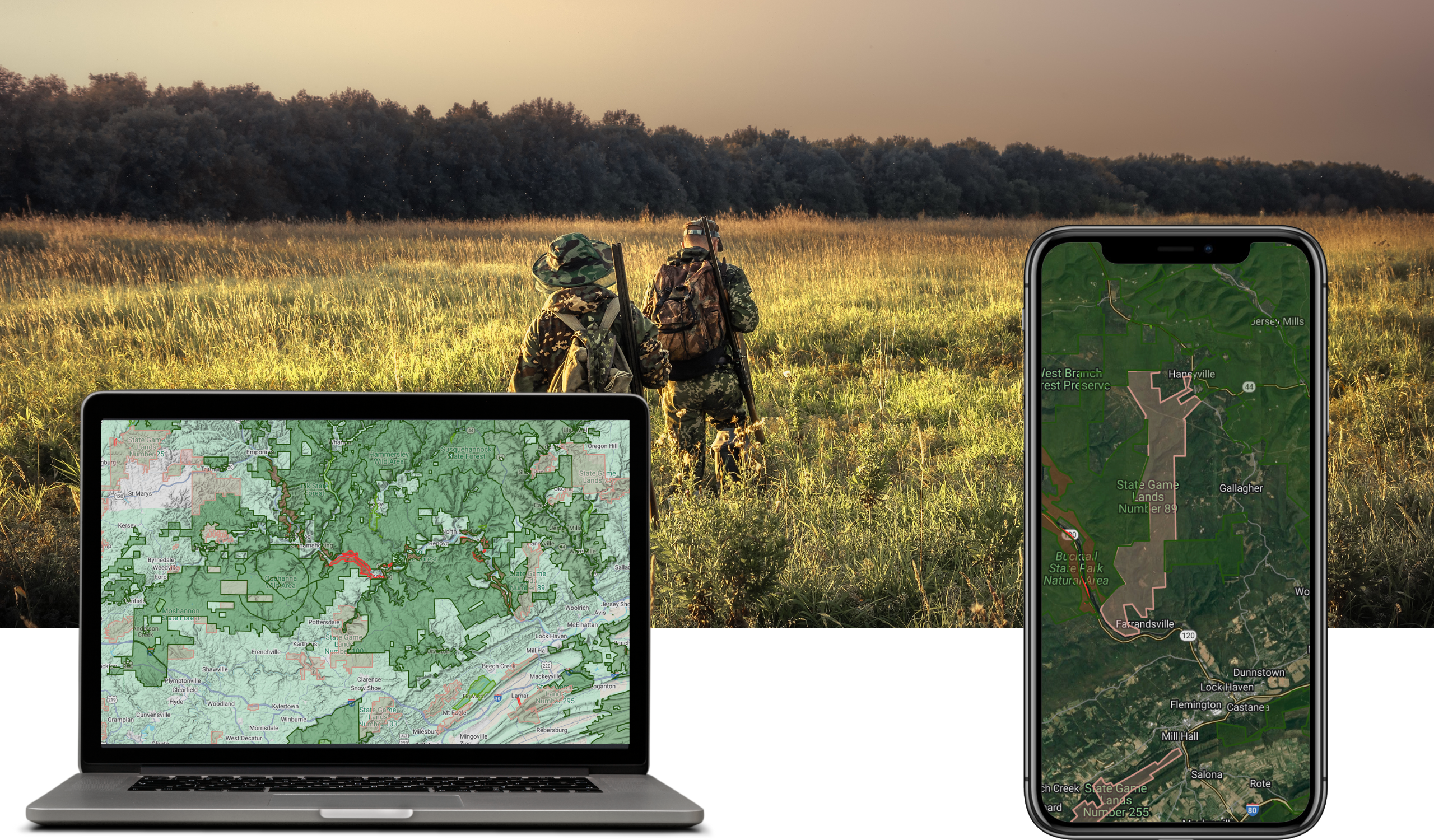
Waterfowl regulations can become complicated quickly, with season dates, zones, split seasons, species-specific bag limits, shooting hours and special early or late seasons varying by state and location. Hunterizer puts this information in one place, helping hunters quickly determine what’s open to hunt, where they can hunt it, season dates, legal methods, bag and possession limits and other important regulations.
As the 2026–27 migration moves south, Hunterizer can help hunters spend less time sorting through regulations and more time preparing for the next morning in the marsh.
Download Hunterizer and check the regulations for your state before heading out this waterfowl season.