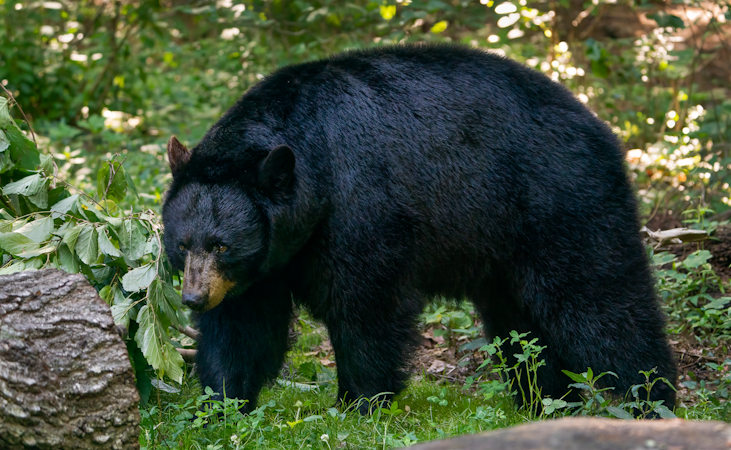
Texas Parks and Wildlife Department (TPWD) biologists say black bears are continuing their slow return to Texas after disappearing from most of the state during the early 20th century. In recent months, wildlife officials have confirmed several noteworthy sightings, including what is believed to be the first documented black bear to successfully overwinter in East Texas in more than 50 years, as well as a rare bear photographed on a ranch in Duval County in South Texas. These observations suggest that bears are gradually expanding into new parts of the state.
From Near Extinction to Recovery
Black bears once occupied much of Texas, from the Pineywoods of East Texas to the mountains of the Trans-Pecos. By the 1940s and 1950s, however, unregulated hunting, predator control efforts and widespread habitat loss had nearly eliminated them from the state.
The recovery began several decades ago, not through reintroduction, but through natural dispersal from healthy populations in northern Mexico. Female bears established breeding populations in the Big Bend region, and today West Texas supports the state’s only resident breeding population. Conservation efforts in neighboring states, including Louisiana and Arkansas, have also contributed to occasional bears appearing in East Texas.
Where Bears Live Today
According to TPWD, Texas currently has a breeding black bear population in the Trans-Pecos region, including the Big Bend area, as well as portions of Val Verde and Crockett counties.
However, young male bears are capable of traveling hundreds of miles while searching for new territory. That is why isolated bears have recently appeared in East Texas, South Texas and other parts of the state that do not yet have established populations. TPWD emphasizes that a single bear sighting does not necessarily indicate a resident local population.
Recent Sightings Show the Expansion Continues
Several recent developments have attracted attention from wildlife officials and hunters alike.
In April, TPWD announced that a male black bear believed to have entered East Texas during the summer of 2025 appears to have successfully spent the winter along the Neches River corridor, marking the first documented overwintering black bear in East Texas in over five decades. The same bear has continued to be monitored through game camera photos during 2026.
More recently, a ranch owner near Benavides in Duval County captured a black bear on a trail camera at a deer feeder. TPWD identified the bear as likely being a young dispersing male exploring new habitat. While bears have occasionally appeared in South Texas before, sightings remain rare and are carefully documented by state biologists.
What This Means for Texas Hunters
For hunters, the return of black bears presents both opportunities and responsibilities.
At present, there is no legal hunting season for black bears in Texas. Black bears are listed as a state-threatened species, making it illegal to hunt, trap or intentionally harm one except in limited circumstances allowed by law.
Hunters are among the people most likely to encounter bears in remote areas or capture them on trail cameras. TPWD encourages hunters to:
- Report black bear sightings to local TPWD biologists or game wardens.
- Keep a safe distance and avoid approaching bears.
- Remove attractants such as unsecured food or garbage around camps.
- Understand that bears may occasionally visit deer feeders while passing through an area.
Because many recent sightings have come from trail cameras maintained by hunters, sportsmen continue to play an important role in documenting the species’ recovery.
Could Texas Ever Have a Bear Hunt?
As black bear numbers slowly increase, some hunters have begun asking whether Texas could eventually establish a regulated bear season similar to neighboring states.
For now, TPWD says the population remains far too small. Wildlife managers are focused on monitoring population growth, protecting breeding females and reducing conflicts between bears and people. Before any hunting season could even be considered, Texas would need a much larger, self-sustaining statewide population and extensive biological data demonstrating that regulated harvest would not threaten recovery.
While a bear season is not on the horizon, wildlife experts generally view the species’ gradual return as one of Texas’ most successful conservation stories—a reminder that native wildlife can recover when habitat is protected and populations are carefully managed.
Stay Current with Hunterizer
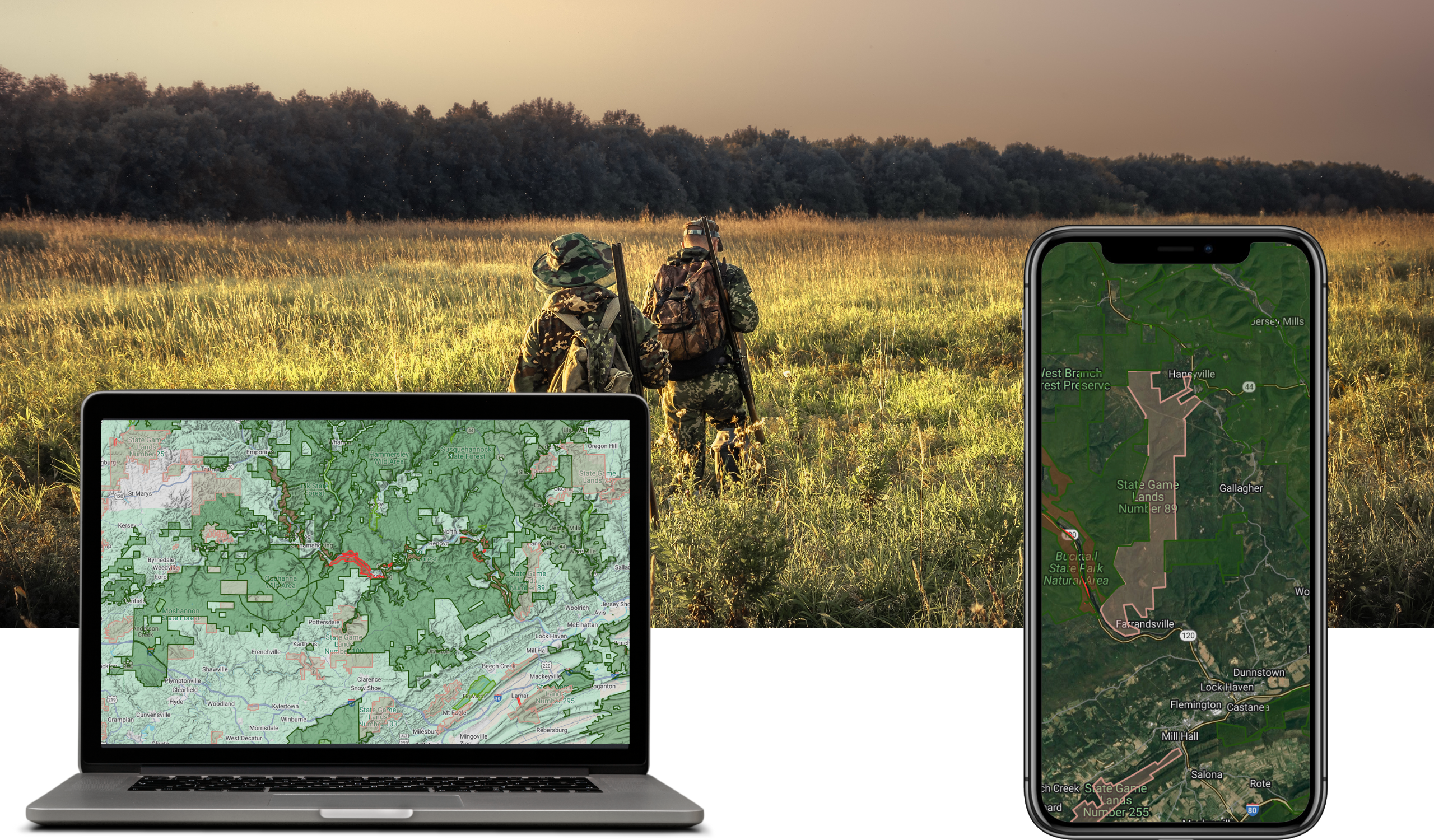
Whether you’re chasing whitetails in the Pineywoods, turkeys in the Hill Country or following wildlife news across the state, the Hunterizer app helps Texas hunters stay informed. Hunterizer provides current hunting seasons, “What Can I Hunt Today?” by location and date, zone maps, legal hunting methods, shooting hours, license requirements, bag limits and other regulations for dozens of Texas game species. As wildlife management continues to evolve—from expanding black bear populations to changes in hunting regulations—Hunterizer helps ensure you’re always prepared before heading into the field.