In a move that could reshape California’s wilderness, Senate Bill 1305, dubbed the California Grizzly Restoration Act, was introduced on February 20, 2026, by Senator Laura Richardson (D-Long Beach) with co-sponsorship from Senator Weber Pierson (D-San Diego).
The legislation directs the California Department of Fish and Wildlife (CDFW) to create a comprehensive roadmap for potentially bringing grizzly bears back to the state. This plan must include scientific evaluations of habitat suitability, population viability, and ecological effects, as well as consultations with Native American tribes, local communities, landowners, and wildlife experts. The roadmap would also outline management strategies, cost estimates, and regulations for handling human-bear interactions, with a submission deadline to legislative committees and the Fish and Game Commission by June 30, 2028.
Importantly, the bill stipulates that no actual reintroduction can occur until key conditions are met, such as ensuring minimal risks to human safety and property.
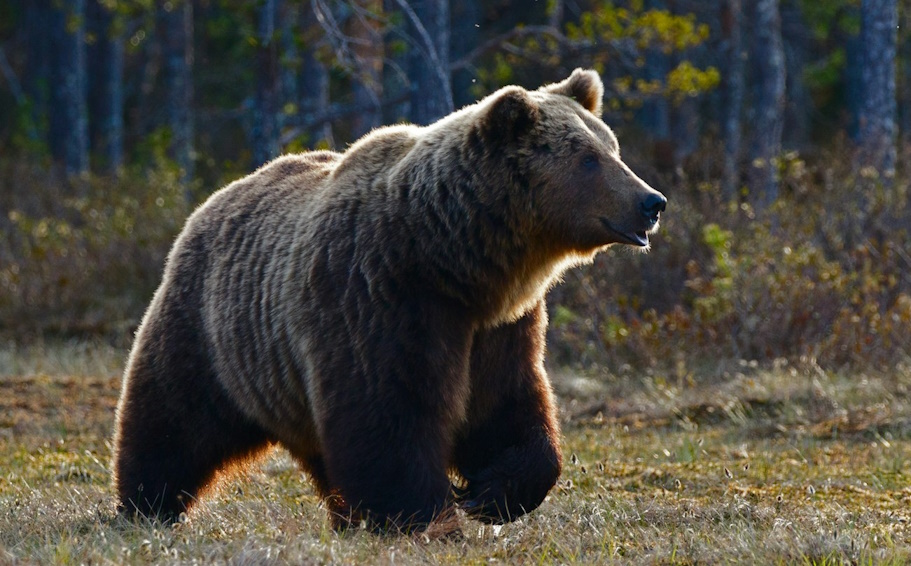
The proposal builds on growing interest from environmental groups in restoring the grizzly, California’s official state animal, which was eradicated by the 1920s due to hunting and habitat loss. While grizzlies once roamed vast areas of the state, contributing to ecosystem balance through seed dispersal, soil enrichment, and regulating other species, their absence has led to shifts in biodiversity. This bill follows a 2025 feasibility study that identified suitable remote habitats in regions like the Sierra Nevada, suggesting the state could support a sustainable population without major biological barriers.
For California’s hunters and outdoors community, the potential impacts are multifaceted. On prey populations, grizzlies as apex predators could help control overabundant black bears, which have exploded to around 60,000 in the state and increasingly encroach on human areas. However, they might also pressure deer, elk, and pronghorn herds by preying on calves and fawns, potentially disrupting hunting seasons and population stability in shared habitats. Ranchers, particularly those grazing cattle and sheep in mountainous areas, face risks of livestock depredation—though studies indicate such losses are typically low overall (around 2% of total livestock deaths), they could hit individual operations hard, straining already thin margins amid rising costs.
Outdoorsmen and hunters express concerns about safety in backcountry pursuits, where grizzly encounters could escalate conflicts compared to the more timid black bears. Recreationists, from hikers to campers, might need to adapt with bear-proof gear and awareness programs, potentially altering the appeal of remote trails. On the flip side, a grizzly presence could boost eco-tourism and foster greater appreciation for wildlife conservation, aligning with California’s biodiversity goals. Yet, with the state’s 40 million residents and extensive urban-wildland interfaces, critics argue that adding another large predator could exacerbate existing management challenges, like those seen with wolves and mountain lions.
As for the bill’s prospects, its fate in the Democrat-controlled legislature remains uncertain but plausible given the state’s environmental priorities. Similar ideas have surfaced before—petitions in 2014 and 2015 to federal agencies were rejected, and 2024 saw resolutions commemorating the grizzly’s centennial absence without concrete action—but this is the first state-level bill mandating a formal study. Opposition from rural lawmakers, like Assemblymember Heather Hadwick, who calls it “reckless” amid unaddressed issues with current wildlife, could stall progress. Supporters, including conservation groups and tribal leaders, emphasize the cultural significance to Native American communities and the symbolic restoration of California’s heritage. If passed, the bill would mark a cautious step toward evaluating a grizzly revival, leaving the ultimate decision to future science and public input.
Hunterizer App
Hunting California? See exactly what’s in season at your GPS location.
The Hunterizer app shows species, bag limits, and zone rules for your exact coordinates — for every county in California.