Three major wildfires near Marquette, Craig Lake and Wakefield are increasingly contained, but trail closures, dangerous trees and lingering underground fires remain concerns for deer and upland bird hunters.
Three wildfires in Michigan’s Upper Peninsula have burned nearly 1,400 acres during one of the busiest periods of the fall hunting season. Although recent rainfall and cooler temperatures have helped firefighters make significant progress, portions of the affected public lands remain closed, and hunters are being warned about dangerous conditions in burned forests.
The Michigan Department of Natural Resources (DNR) is managing the Ridge Fire, Craig Lake Fire and Black River Fire together as the Rugged Terrain Complex. As of October 20, the fires have burned a combined 1,398 acres, with containment ranging from 50% to 90%. Firefighters are transitioning from active suppression to monitoring and extinguishing remaining hot spots.
Three Wildfires Across the Upper Peninsula
The largest fire, the Craig Lake Fire, has burned approximately 606 acres near the northern portion of Craig Lake State Park. It is now 90% contained, and investigators have confirmed that lightning started the fire. The DNR has closed portions of the park north of Craig Lake, including the Teddy Lake Yurt, through the end of October. The North Country Trail within the park also remains closed, although the rest of the park is open to visitors.
The Ridge Fire, located approximately 10 miles northwest of Marquette near the Dead River Basin and County Road 510, has burned 466 acres and is 50% contained. The fire was discovered October 9, and its cause remains under investigation. The Noquemanon Trail system west of the County Road 510 trailhead remains closed. Authorities have lifted the earlier evacuation preparedness alert for nearby North Basin Drive residents.
The Black River Fire, approximately four miles south of Wakefield in Gogebic County, has burned an estimated 326 acres according to the latest DNR report and is 70% contained. Lightning has been confirmed as the cause. No specific road or trail closures have been announced for this fire, but officials are asking the public to avoid the affected area while suppression operations continue.
What the Fires Mean for Michigan Hunters
The wildfires come during Michigan’s archery deer season and fall hunting opportunities for ruffed grouse, woodcock and other small game. The Upper Peninsula’s extensive public forests attract hunters throughout October, making access restrictions particularly important for those planning trips to the affected areas.
While the fires have forced closures of certain trails and recreational areas, the DNR has not announced a general deer hunting season closure or a hunting-unit-wide closure because of these fires. Hunters should distinguish between areas that remain legally open to hunting and specific locations temporarily closed for public safety.
Wildfires can also influence wildlife behavior. Deer and other animals may temporarily avoid active fire areas, smoke and firefighting activity, potentially changing their usual travel routes. Over time, burned forests can develop new vegetation that provides food and habitat for deer and other wildlife. However, there have been no confirmed reports of significant game-animal mortality associated with these three fires.
Hidden Dangers Remain Even After Rain
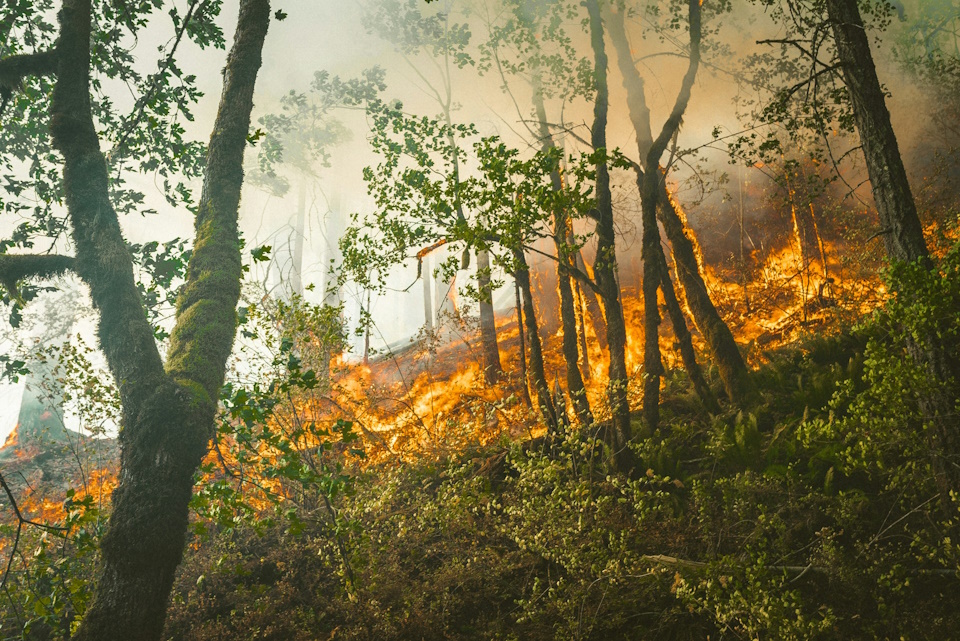
One of the biggest concerns is that these fires are burning underground. Months of unusually dry weather allowed flames to penetrate as much as two feet into the forest’s organic soil layer, known as duff. Even substantial rainfall may not fully extinguish these underground hot spots.
The fires have also damaged tree root systems, leaving some trees unstable even when their branches and needles still appear green. Such trees can fall unexpectedly, creating a serious hazard for hunters traveling through burned areas or setting up stands.
The DNR warns that some hot spots may continue smoldering until sufficient snowfall arrives. Hunters should avoid recently burned areas, respect posted closures and keep clear of firefighting equipment and personnel.
Check Fire Conditions Before Heading Into the Woods
Hunters planning trips to Marquette, Baraga or Gogebic counties should check the latest DNR announcements before traveling, particularly if their intended hunting locations are near Craig Lake State Park, the Dead River Basin or the Black River Fire.
Fire conditions and access restrictions can change, even when containment improves. Hunters should also exercise caution with campfires, as drought conditions and dry forest fuels remain a concern in parts of the Upper Peninsula.
For official updates, visit the Michigan DNR’s latest wildfire report:
https://www.michigan.gov/dnr/about/newsroom/releases/2026/10/20/infrared-imagery-guides-targeted-treatments-as-fire-crews-clean-up
Plan Your Michigan Hunt With Hunterizer
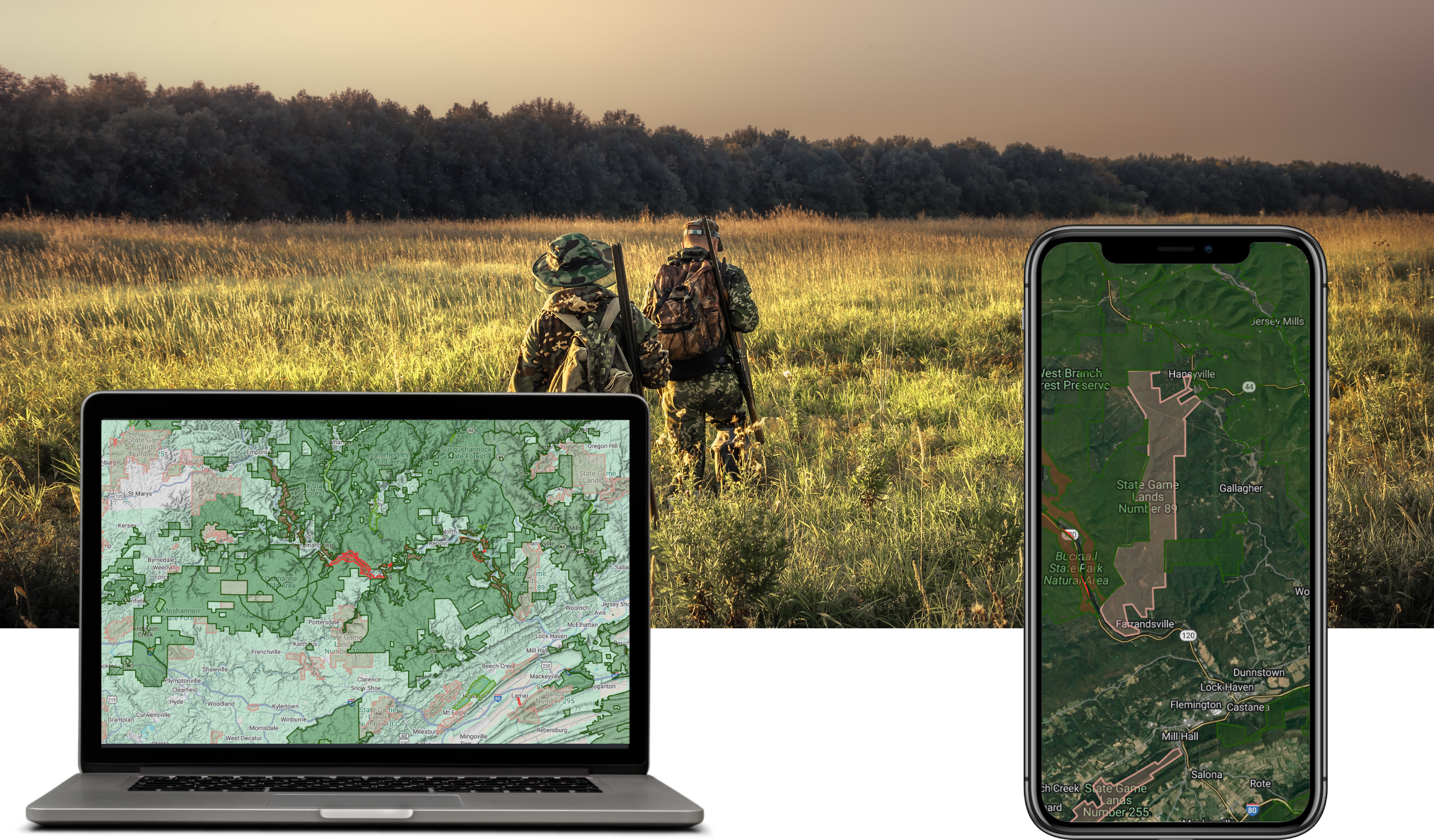
With Michigan’s archery deer season underway and multiple upland bird and small game seasons overlapping, knowing what can legally be hunted at a particular location is especially important. The Hunterizer app helps hunters navigate Michigan’s hunting regulations by showing open seasons, hunting zones, legal weapons, bag limits, shooting hours and other important requirements.
Whether you’re planning a deer hunt in the Upper Peninsula or pursuing grouse and woodcock on public land, Hunterizer makes it easier to understand which hunting opportunities are available on a specific date and at your location.
Before heading into the woods, use Hunterizer to check hunting regulations and consult Michigan DNR wildfire updates for current access restrictions. A little preparation can help ensure a safe and successful fall hunting trip.