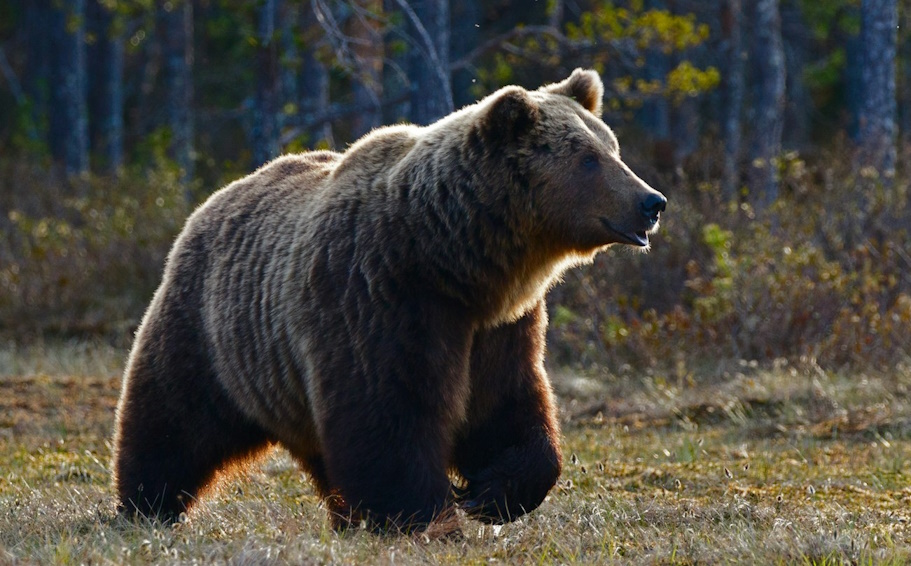
On May 26, 2026 the California Senate voted 29-9 to pass Senate Bill 1305, sending the measure to the Assembly for consideration. The legislation focuses on evaluating whether grizzly bears could one day be reintroduced to California, where the species has been absent since the last confirmed wild grizzly was killed in 1924.
For California hunters, the vote marks one of the most significant wildlife policy developments of the year and raises questions about predator management, public-land recreation, livestock protection, and the future of wildlife conservation in the state.
Bill Was Significantly Modified
The legislation that passed the Senate is notably different from the version originally introduced earlier this year.
The original proposal was called the California Grizzly Restoration Act and explicitly declared that it was California policy to restore grizzly bears to the state. It directed the California Department of Fish and Wildlife (CDFW) to develop a roadmap for reintroduction and included language supporting the return of grizzlies as a restoration goal.
Following criticism from rural communities, agricultural organizations, law enforcement representatives, and wildlife-management stakeholders, lawmakers substantially revised the bill.
Among the most significant changes:
- The bill was renamed the California Grizzly Recovery Assessment Act.
- Language declaring it state policy to restore grizzlies was removed.
- The roadmap was changed from a plan for reintroduction to an evaluation of whether reintroduction is “feasible and advisable.”
- The deadline for the assessment was extended to 2030.
- Additional consultation requirements were added for tribes, local communities, landowners, and other stakeholders.
Supporters say the amendments create a more science-based review process. Opponents argue that the legislation still establishes a state-funded pathway toward eventual reintroduction and represents the first step in a long-term effort to return grizzlies to California.
Why Many Hunters and Ranchers Are Concerned
Opposition to the bill has come from a broad coalition of agricultural groups, ranchers, rural residents, and some hunting advocates.
Many point to California’s ongoing struggles with wolf recovery and increasing predator-related conflicts. Ranchers in Northern California have experienced growing livestock losses associated with expanding wolf populations, while debates continue over black bear management, mountain lion management, and predator impacts on deer herds in some regions.
The California Cattlemen’s Association has been among the most vocal opponents of the proposal. Association President Rick Roberti argued that California is already facing challenges managing wolves and questioned whether the state has the resources to handle another large apex predator.
Opponents also note that grizzly bears can exceed 800 pounds, occupy large territories, prey on livestock, and create new public-safety concerns in areas where they become established.
Several rural legislators have echoed those concerns, arguing that communities likely to host future grizzly populations would bear most of the impacts while many supporters live far from potential release areas.
Supporters See a Historic Conservation Opportunity
Supporters of the bill include the Yurok Tribe and Tejon Tribe, which co-sponsored the legislation.
Advocates argue that grizzly bears were once an important part of California ecosystems and remain deeply significant to many Native American tribes. Supporters believe California should examine whether modern science, habitat conditions, and management tools could support a future grizzly population while minimizing conflicts with people and livestock.
A recent feasibility study cited by supporters suggested that parts of the southern Sierra Nevada, the Klamath region, and portions of the Transverse Ranges could potentially support grizzly populations if future policymakers choose to pursue reintroduction.
What Happens Next?
SB 1305 now moves to the California Assembly, where it must pass additional committees and a floor vote before reaching Governor Gavin Newsom’s desk.
If signed into law, the bill would require CDFW to develop a public roadmap evaluating whether grizzly reintroduction is feasible and advisable, what conditions would need to be met, what risks and costs would be involved, and how impacts to local communities, recreation, hunting, and agriculture could be addressed.
For California hunters, the debate is likely only beginning. Whether viewed as a conservation opportunity or a potential new challenge for wildlife management, SB 1305 has already reignited discussion about the future of predators in California and how the state balances conservation goals with the interests of hunters, ranchers, and rural communities.