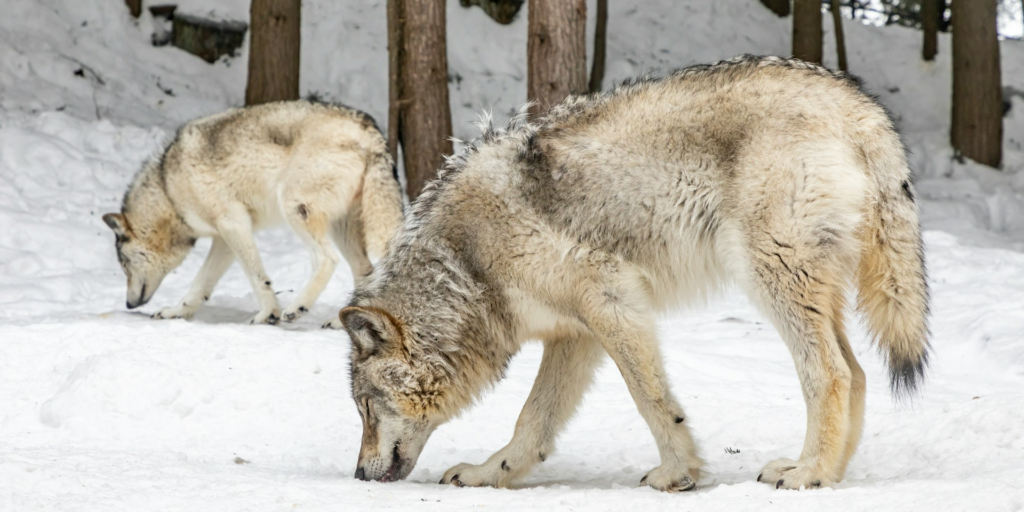
The Idaho Department of Fish and Game (IDFG) has removed three wolves from northern Idaho in a targeted effort to support declining elk populations, marking a significant management action in the state’s Panhandle region.
The wolves were killed on February 21–22, 2026, in Game Management Unit 4 within the Panhandle elk zone. According to IDFG, the action was designed to reduce predation pressure on elk calves and help stabilize a herd that has shown signs of long-term decline.
This is the first time the agency has conducted such targeted wolf removal in the Panhandle, though similar predator control efforts have been used for years in other parts of Idaho.
Why Wolves Were Removed
Wildlife officials point to multiple indicators that elk populations in Unit 4 are underperforming. Elk harvest numbers in the area have dropped sharply over the past decade, and surveys have shown lower calf survival rates—factors partly attributed to predation by wolves and other large predators.
By removing three wolves from a single pack—alongside additional harvest by trappers—IDFG says it has significantly reduced predation pressure in a key area.
Officials emphasized that the goal is not to eliminate wolves, but to maintain a balanced predator-prey relationship. Hunting and trapping remain the primary tools for wolf management, but targeted removals are used when those methods fall short of meeting population objectives.
Role of Regulations and Court Rulings
Recent management challenges have also played a role. A 2024 federal court ruling restricted wolf trapping seasons in parts of Idaho to protect grizzly bears, leading to fewer wolves being harvested by hunters and trappers.
IDFG says this reduction in harvest has made it more difficult to control wolf populations in certain regions, prompting more direct intervention like the recent removal effort.
Broader Management Strategy
The action aligns with Idaho’s long-term wildlife plans, including the state’s elk and wolf management frameworks, which aim to keep wolf populations sustainable while protecting hunting opportunities and herd health.
Statewide, Idaho’s wolf population remains well above minimum targets, with estimates exceeding 1,000 animals in recent years.
Mixed Reactions
Not everyone supports the approach. Conservation groups argue that habitat quality—not predation—is often the primary driver of elk declines in some areas. They contend that focusing on wolf removal may overlook larger ecological issues.
Still, IDFG maintains that targeted predator control is a necessary tool in specific situations where elk populations are struggling.
Bottom Line for Hunters
For hunters, the move signals Idaho’s continued commitment to actively managing predator populations to support elk herds. While controversial, these actions could improve elk numbers—and ultimately hunting success—in areas like the Panhandle where herds have been declining.