Montana hunters may be facing a major shift in how they access public land.
In the span of just two days, the long-running debate over corner crossing in Montana moved from policy disagreement to full-scale litigation.
First, Montana officials publicly reaffirmed that corner crossing — the act of moving from one parcel of public land to another at a shared corner without physically touching private land — remains illegal in the state. That position was reiterated this week during a legislative discussion in Helena and aligns with Montana Fish, Wildlife & Parks’ current enforcement guidance to wardens.
Then on May 14, Backcountry Hunters & Anglers and Public Land & Water Access Association filed suit in Lewis and Clark County District Court against Montana Fish, Wildlife & Parks and Director Christy Clark, arguing the agency overstepped its authority by effectively declaring corner crossing unlawful through administrative guidance rather than through clear legislation or court precedent.
For Montana hunters, the practical issue is access.
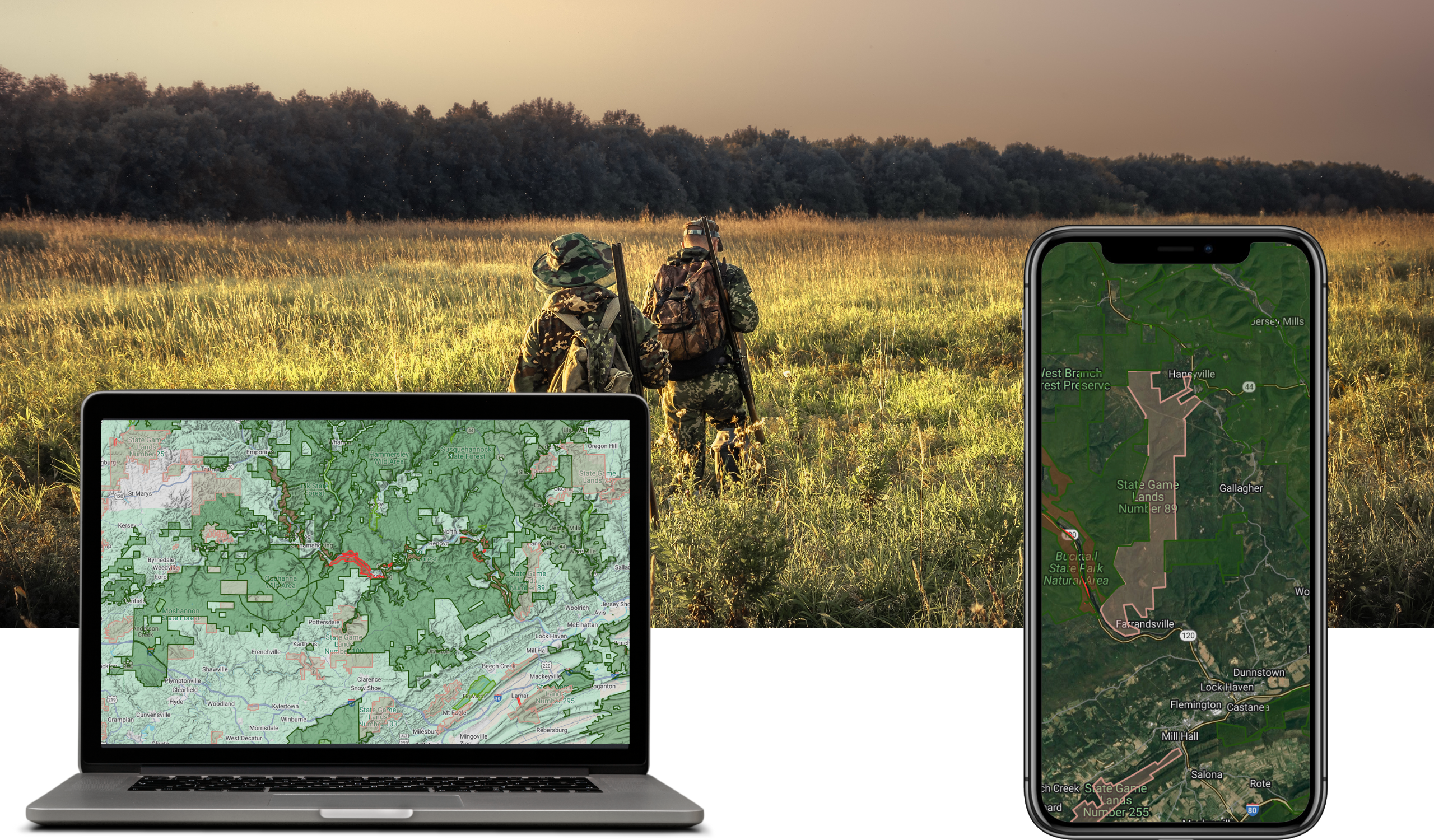
According to the groups behind the lawsuit, roughly 871,000 acres of public land in Montana are effectively inaccessible without crossing at checkerboard parcel corners. These are lands owned by the public but surrounded in a way that makes access legally uncertain.
The conflict intensified after the Wyoming corner crossing case drew national attention. In that case, federal courts sided with hunters who crossed between public parcels without stepping on private ground. But that ruling came out of the 10th Circuit, which does not govern Montana. Montana remains in the 9th Circuit, meaning the Wyoming outcome did not automatically change state law here.
That leaves Montana hunters in a difficult position heading into fall planning.
As things stand today, FWP’s position is that corner crossing can expose hunters to enforcement action, including potential trespass-related citations. Whether Montana courts agree is now the central question.
This case could ultimately reshape public land access for elk, deer, antelope, upland bird, and other hunters across Montana — especially in checkerboard-heavy country where public land maps can show legal access on paper but no practical way to reach it without crossing a shared corner.
If the plaintiffs prevail, Montana hunters could gain legal clarity and potentially unlock access to substantial public acreage. If the state prevails, the current restrictions will likely remain in place unless the legislature intervenes.
For now, Montana hunters should assume FWP’s current interpretation remains enforceable until a court says otherwise.