Black Bears Rebound in Texas, Raising Concerns About Human–Wildlife Conflicts

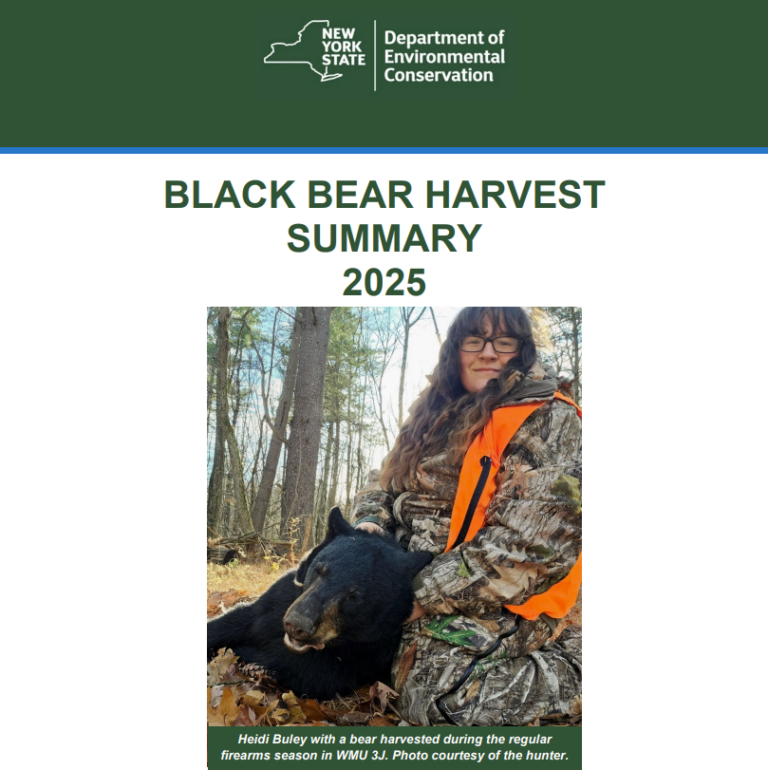
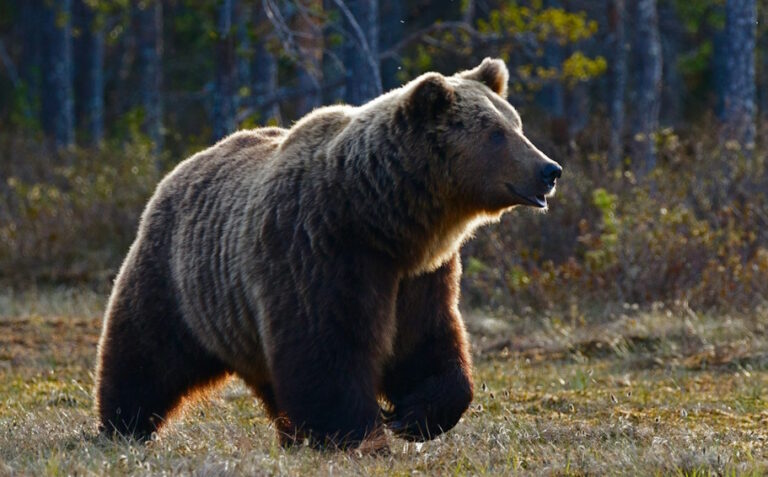
Black bears, once wiped out in Texas, are slowly returning as they move north from Mexico and recolonize parts of the state, leading to more sightings and rising human–bear conflicts. Researchers tracking the animals report that urbanization, drought, and easy access to human food sources are drawing bears into communities, sometimes resulting in dangerous encounters. While established populations remain limited to West Texas, bears are now appearing across a wider range – including East Texas counties – and wildlife officials urge residents to stay alert, follow safety guidelines, and report sightings since black bears are a protected species in the state.

NWTF Wisconsin, Partners Set to Invest $6M in Conservation Projects

The Wisconsin State Chapter of the National Wild Turkey Federation (NWTF) has approved $116,982 for conservation and $50,000 for education initiatives as part of the Hunting Heritage Super Fund for 2026, with additional support of over $6.2 million from partner funds. These projects aim to enhance turkey habitats, support wildlife research, and improve hunter access, while also promoting conservation education through various outreach efforts. The NWTF continues its mission to protect vital ecosystems and wildlife populations across Wisconsin.

Giant 13-Foot Alligator Caught During Georgia’s Thrilling Annual Hunt

Georgia’s 2025 alligator hunting season produced several huge catches, including a 13-foot-5-inch giant from Lake Eufaula and a 568-pound, 12-foot-4-inch gator from the Ocmulgee River. Strict rules mandate handheld harvest methods, minimum lengths (48–96 inches by zone), and 24-hour reporting. These impressive trophies reflect a thriving population of over 225,000 alligators and confirm the success of Georgia’s conservation and sustainable-harvest program.

Judge hears arguments in challenge to Montana’s wolf hunting, trapping seasons

Conservation groups have filed a lawsuit challenging Montana’s wolf hunting and trapping season after the U.S. Fish and Wildlife Service determined that gray wolves do not require federal protections. In a recent court hearing, arguments were presented regarding the potential impact of the state’s quota allowing the killing of up to 458 wolves, with concerns raised about the sustainability of the wolf population and the scientific validity of the state’s population estimation methods. The judge has yet to rule on a request for a temporary halt to the hunting season while the broader legal challenge continues.

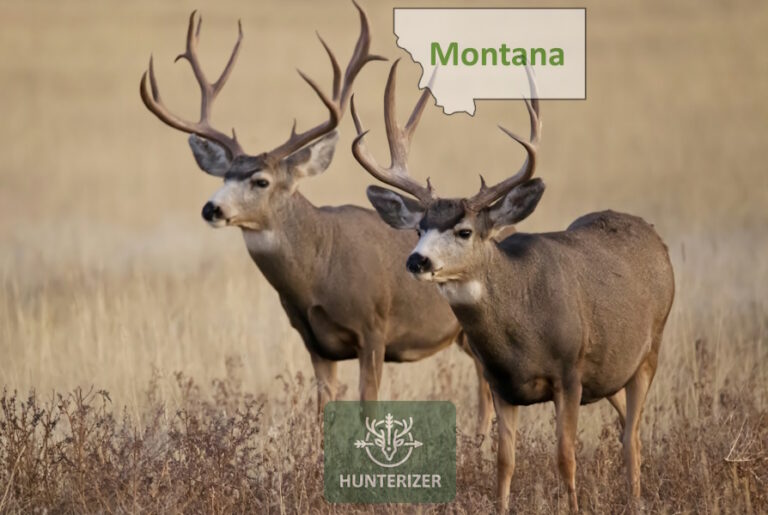
Elk hunting changes were proposes by Montana FWP for 2026

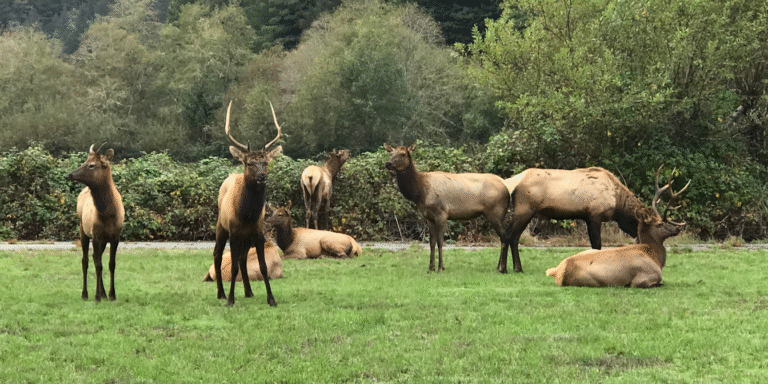
The Fish, Wildlife & Parks (FWP) has proposed changes to hunting regulations for the upcoming big game rifle seasons, inviting public feedback until November 23. Key proposals include increasing cow elk licenses in Hunting District 313 to address an overpopulation, prohibiting cow elk B tag hunting in several districts due to overcrowding complaints, and adjusting hunting strategies in districts 380 and 391 to enhance access and management of elk populations. The Fish and Wildlife Commission will make final decisions on these proposals during their meeting on December 4.

Wisconsin reports an increase in the deer population

The Wisconsin Department of Natural Resources has reported an increase in the deer population, estimated at over 2 million, prompting communities like Howard and Hobart to impose baiting and feeding restrictions and allow bow hunting on village-owned land. The rise in deer numbers, attributed to favorable winter conditions, poses challenges such as garden damage and increased vehicle collisions, leading to concerns about managing the population effectively as the 2025 Gun Deer Hunt season approaches.

Montana officials warn hunters about improper carcass disposal

Montana Fish, Wildlife & Parks officials are warning hunters about the legal and health consequences of improper carcass disposal, which can lead to littering charges and the spread of diseases like chronic wasting disease. Hunters are advised to bag animal remains and dispose of them with household garbage to avoid creating nuisances in public areas.

USFWS: Wolves are sufficiently recovered, ESA listing “no longer appropriate”

The U.S. Fish and Wildlife Service (USFWS) has decided to halt recovery planning for gray wolves in Western states and Minnesota, citing successful population recovery and deeming their endangered status no longer necessary. This decision, which follows a settlement with conservation groups, is welcomed by ranchers and hunting communities but criticized by animal rights advocates, as rising wolf populations have led to increased conflicts with livestock. While recovery plans are discontinued, wolves will still be protected under other provisions of the Endangered Species Act.

Cattle-Killing Wolves Euthanized in California by CDFW

In Sierra Valley, California, three wolves responsible for numerous cattle killings were euthanized after ranchers faced over six months of attacks, marking the first such action by state officials in over a century. Despite the wolves being protected under endangered species laws, wildlife officials determined their removal was necessary to prevent further livestock losses and potential encroachment into residential areas. Ranchers have reported significant emotional and financial stress due to the attacks, with calls for improved compensation processes for their losses.

Ups and Downs: Hunters continue to adapt to be where the ducks are

The article discusses key strategies and tips for successful hunting, emphasizing the importance of preparation, understanding animal behavior, and utilizing the right equipment. It highlights the significance of scouting locations, practicing shooting skills, and adhering to ethical hunting practices to enhance the overall experience and effectiveness in the field.

Item added to cart.
0 items - $0.00