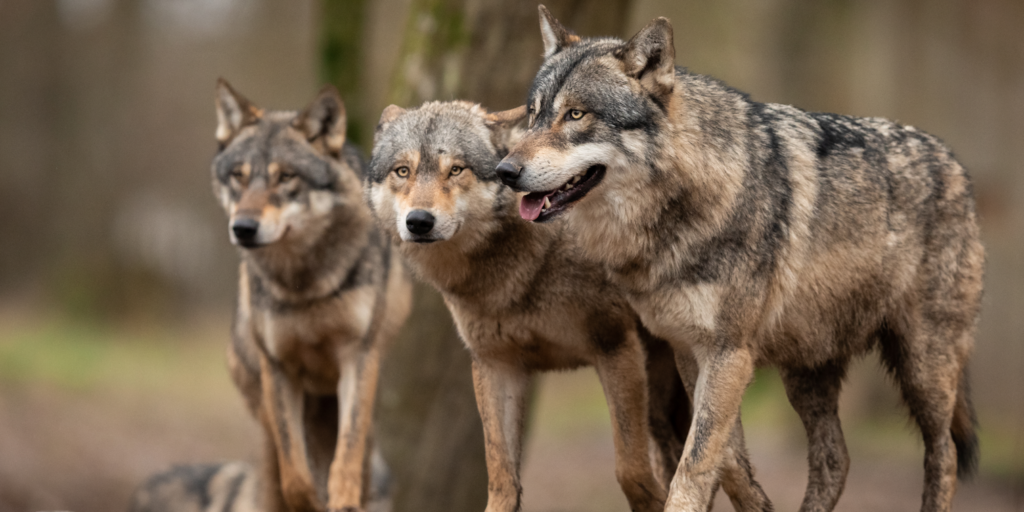
Montana has significantly reduced its wolf harvest quota for the upcoming season after a new population model estimated substantially fewer wolves in the state. Hunters will also see new regional quotas and other changes to wolf regulations for 2026–27.
The Montana Fish and Wildlife Commission approved new wolf hunting and trapping regulations on August 19, setting a combined recreational harvest quota of 300 wolves for the 2026–27 season. That is down substantially from the 452-wolf quota in 2025–26, although it is higher than the 250 wolves recommended by Montana Fish, Wildlife & Parks (FWP).
The reduction follows a major revision in how Montana estimates its wolf population. FWP’s previous model estimated approximately 1,094 wolves in 2025, while its updated iPOM 2.0 model puts the population at approximately 725 wolves. Importantly, the difference does not mean that nearly 370 wolves disappeared in a single year. Much of it comes from changes in the population model itself, although the updated model also indicates that Montana’s wolf population has been declining in recent years.
That raised concern because Montana’s 2025 Wolf Management Plan identifies 450 wolves as the level expected to ensure at least 15 breeding pairs. FWP therefore recommended a more conservative 250-wolf quota, arguing that it would reduce the risk of pushing the population below that benchmark.
New Regional Wolf Quotas
Instead of relying primarily on one statewide quota, the Commission moved back toward regional harvest quotas for 2026–27. The change is intended to allow more targeted wolf management, particularly in northwest Montana, where wolf numbers and their effects on elk and other ungulates have been a major management issue.
The Commission’s action also rejected FWP’s proposed early-season subquotas that would have separately limited harvest through December 31.
Wolf hunting seasons are scheduled to begin with an archery-only season September 5–14, followed by the general wolf season beginning September 15. Wolf trapping outside the area affected by the federal court restrictions is scheduled to begin November 30, while trapping within the court-defined area remains limited to January 1 through February 15.
Montana continues to allow relatively liberal methods for wolf hunting. Under the existing framework, wolves may be hunted over bait, and hunters on private land may hunt outside daylight hours using artificial light, night vision, infrared and thermal-imaging equipment, subject to applicable restrictions.
Hunters and trappers must also continue to report a harvested wolf within 24 hours and present the hide and skull to FWP within 10 days for tagging, tissue sampling and tooth extraction.
What Montana Hunters Should Know
The 2026 decision represents a significant change in direction from the more aggressive wolf harvest policies Montana adopted in recent years. Wolf hunting and trapping remain important management tools, but the lower population estimate has pushed the state toward a more cautious harvest while FWP continues to refine its population model.
For hunters, the biggest practical change is that regional quotas will matter again. Anyone planning a wolf hunt should check the current quota status before heading into the field because hunting or trapping opportunities can close once the applicable quota is reached.
Follow Montana Wolf Seasons with Hunterizer
The Hunterizer app provides Montana hunters with current season dates, hunting zones, legal methods, bag limits and other regulations for wolves and dozens of other game species.
With wolf regulations, regional quotas and closures capable of changing during the season, Hunterizer helps hunters quickly check the rules for their location and see what they can legally hunt today.