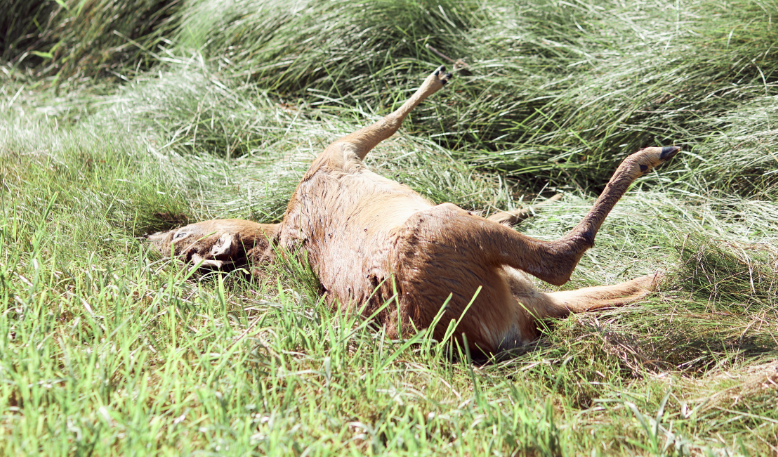
Wisconsin’s largest recorded EHD outbreak has expanded across five southeastern counties, with more than 1,500 sick or dead deer now reported as archery and crossbow hunters head into the field.
Wisconsin’s 2026 epizootic hemorrhagic disease outbreak has grown dramatically since Hunterizer first reported on the situation in August. According to the latest Wisconsin Department of Natural Resources update, reports now indicate more than 1,500 sick or dead deer showing signs consistent with EHD across five southeastern Wisconsin counties, making this the largest known EHD outbreak in state history.
The timing is particularly important for hunters. Wisconsin’s archery and crossbow deer seasons opened September 12 and run through January 3, 2027, with extended seasons in some areas. While the DNR has not announced changes to deer hunting regulations because of EHD, hunters in the hardest-hit areas could encounter noticeably fewer deer this fall.
More Than 1,500 Suspected Cases in Five Counties
As of the DNR’s September 16 update, the agency estimated the number of sick or dead deer reported with signs consistent with EHD at:
- Washington County: just over 1,100
- Waukesha County: just over 340
- Ozaukee County: around 70
- Dodge County: around 50
- Milwaukee County: fewer than 10
That puts the combined total at more than 1,570 reported deer. These numbers should not be interpreted as 1,570 laboratory-confirmed EHD deaths. The DNR says its estimates are based on reports from the public and biologists involving sick or dead deer showing signs consistent with the disease, while testing is being prioritized in areas where EHD has not already been confirmed.
The increase has been rapid. When the DNR first confirmed the outbreak on August 18, only two deer from Washington County had tested positive after landowners reported clusters of dead deer around Richfield and West Bend. Many of those animals were found dead in or near water, a common observation during EHD outbreaks because infected deer can develop a high fever and seek water.
Wisconsin’s Largest Recorded EHD Outbreak
The scale of this year’s outbreak is unprecedented for Wisconsin. Before 2026, the state’s largest documented EHD die-off involved roughly 300 deer. The current outbreak has already surpassed that several times over.
EHD is caused by a virus transmitted primarily through the bites of tiny Culicoides midges, sometimes called “no-see-ums.” White-tailed deer are particularly susceptible. The disease is not transmitted directly from deer to deer, and the virus does not infect humans. Outbreaks generally decline after the first hard frost kills or greatly reduces the midges responsible for transmission.
That means the outbreak could continue until colder weather arrives in southeastern Wisconsin.
What Does This Mean for Deer Hunters?
For now, Wisconsin has not changed deer seasons or quotas because of the outbreak. The DNR has indicated that it does not expect EHD to significantly change the overall statewide deer hunting outlook, and Wisconsin entered the year with a large deer population. However, statewide numbers can hide substantial localized effects.
Hunters in parts of Washington County in particular — and potentially heavily affected portions of Waukesha and neighboring counties — may see fewer deer than expected. Washington County accounts for more than two-thirds of the currently reported suspected cases.
That distinction is important. An outbreak may have relatively little impact on Wisconsin’s statewide deer population while still producing a noticeable reduction in deer numbers on particular properties or within localized hunting areas.
The DNR continues to ask the public to report recently dead deer that are not excessively decomposed or bloated through its Sick/Dead Wildlife Reporting Form. Those reports help wildlife managers track the geographic extent and severity of the outbreak.
Deer Season Is Already Underway
Wisconsin’s archery and crossbow seasons opened September 12, while the nine-day gun deer season is scheduled for November 21–29. Muzzleloader season follows from November 30 through December 9, with additional antlerless hunting opportunities later in December.
A hard frost between now and the November gun season could effectively bring EHD transmission to an end, but it will not replace deer already lost from affected local herds. Hunters in southeastern Wisconsin should therefore continue watching DNR updates as the season progresses.
Wisconsin DNR EHD outbreak updates and reporting information:
https://dnr.wisconsin.gov/topic/wildlifehabitat/disease/Epizootichemorrhagicdisease
Stay Up to Date with Hunterizer
Disease outbreaks are another example of why hunters need more than just season dates when preparing for the field. Hunterizer provides Wisconsin hunters with deer and other game seasons, hunting zones, legal weapons, bag limits, maps and other important hunting information in one place.
Hunters in southeastern Wisconsin should pay particular attention to EHD developments this fall. Hunterizer will continue following the outbreak and any potential changes that could affect Wisconsin deer hunters as the 2026 season progresses.