A Kodiak woman harvested three snipe after Google’s AI told her the season was open — highlighting the risks of relying on generic online answers for location-specific hunting regulations
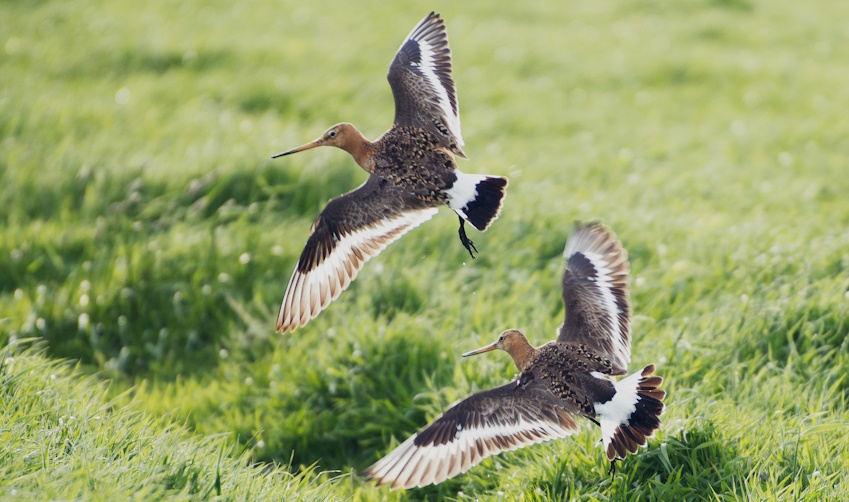
An Alaska hunter was fined after relying on incorrect information generated by Google’s AI about when Wilson’s snipe season opened near Kodiak, according to a citation filed in Kodiak District Court and reported by the Alaska Beacon.
The incident provides a particularly relevant warning for hunters as AI-generated answers become an increasingly common way to look up season dates, bag limits and other hunting regulations: a confident-looking answer is not necessarily the correct answer for the location where you are actually hunting.
Google Said the Season Opened September 1
Kodiak resident Christina Weaver searched Google for information about snipe season before hunting on September 5. According to an affidavit from Alaska Wildlife Trooper Alex Wick, Google’s AI-generated overview told her that snipe season began September 1.
Relying on that information, Weaver harvested three snipe. She later became suspicious after learning that duck season in the area did not open until October 8. After researching the regulations herself, she discovered that the general snipe season applicable to her hunt also did not open until October 8.
Rather than ignoring the mistake, Weaver contacted Alaska Wildlife Troopers and reported herself.
Perhaps the most striking part of the case came when Trooper Wick reportedly performed the same Google search. According to his affidavit, he received the same incorrect information that Weaver had seen.
Hunter Self-Reported the Violation
Weaver ultimately pleaded no contest and received a $150 fine.
Alaska Department of Public Safety spokesman Austin McDaniel told the Alaska Beacon that the department does not specifically track cases involving misinformation from AI, but this appeared to be the first case they had encountered in which AI was cited as the source of the incorrect hunting information.
Officials also credited Weaver for reporting the violation herself after discovering the mistake. McDaniel said consequences for hunters who self-report violations can be substantially different from cases discovered independently by wildlife officers.
The Alaska Wildlife Troopers’ broader enforcement mission includes enforcing the state’s wildlife statutes and regulations, and the agency directs hunters to official Alaska Department of Fish and Game regulations for current hunting rules.
AI Can Be Useful — But Hunting Regulations Are Complicated
The case illustrates a problem that goes beyond Google or Alaska.
Hunting regulations frequently depend on species, exact location, management unit, date, weapon, sex of the animal and sometimes even the type of land being hunted. A season date that is perfectly correct for one portion of a state may be wrong only a few miles away.
Search engines and general-purpose AI tools can be useful for finding information and explaining regulations, but hunters should be particularly careful when using them to answer a question that ultimately determines whether pulling the trigger is legal.
Even an answer that looks specific and authoritative can be based on the wrong hunting zone, an outdated regulation booklet or a rule that applies elsewhere in the state.
And ultimately, the hunter remains responsible for knowing the regulations.
The Problem Hunterizer Was Built to Solve
This incident also highlights exactly why Hunterizer approaches hunting regulations differently.
Hunterizer was built around a simple but surprisingly complicated question:
“What can I legally hunt at this location, on this date?”
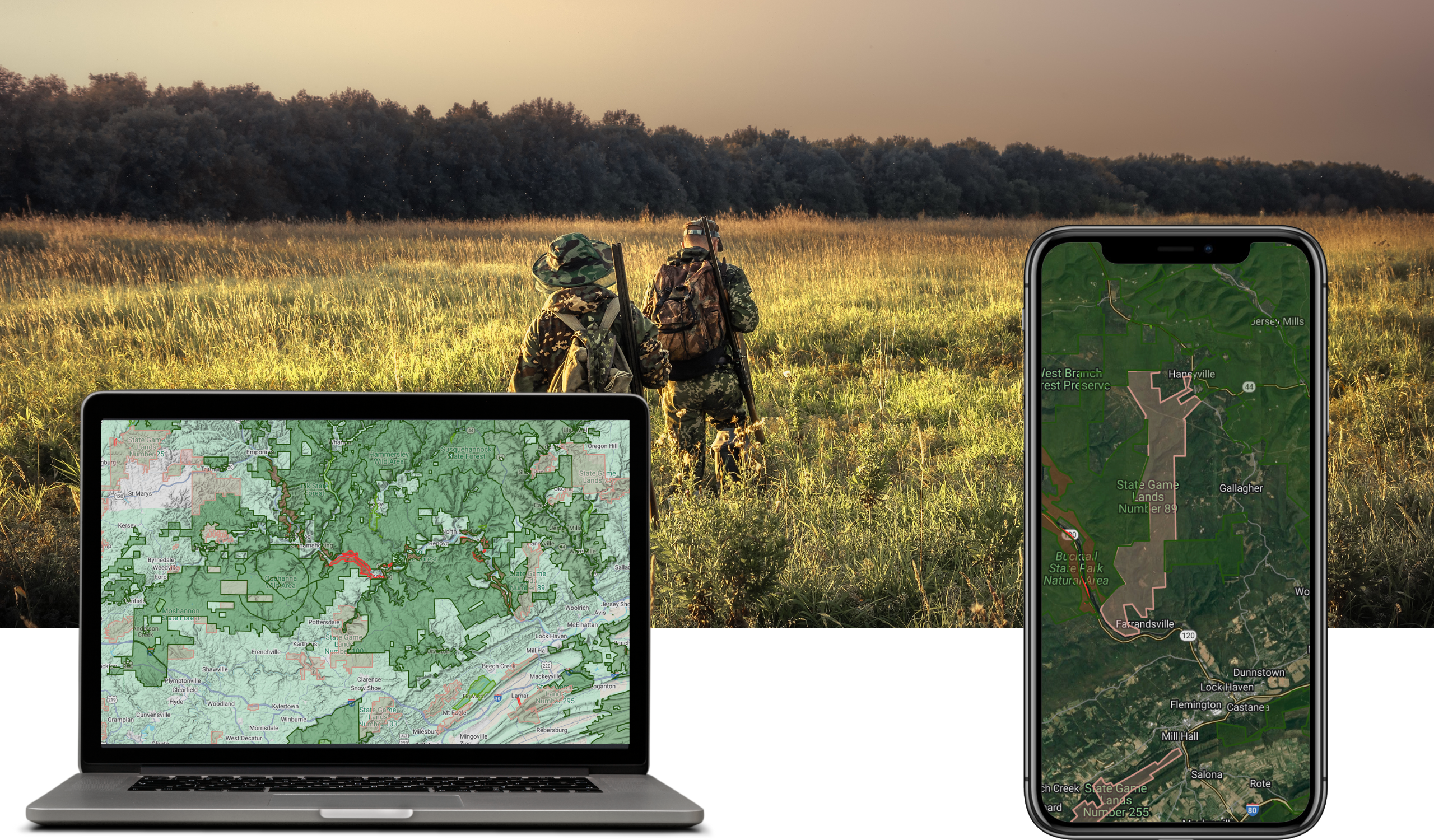
Rather than providing a generic statewide answer, Hunterizer organizes regulations around a hunter’s location and date, showing applicable seasons, hunting zones, legal weapons, bag limits, shooting hours and other important rules.
Hunterizer currently covers 17 states and is continuing to expand. Alaska is not currently among the supported states, so Alaska hunters should continue to consult Alaska Department of Fish and Game regulations and emergency orders directly.
No app, search engine or AI tool eliminates a hunter’s responsibility to verify the regulations. But the Alaska case demonstrates why getting the right regulation for the right place and the right date matters — and why a simple internet search can sometimes be an expensive way to get the wrong answer.