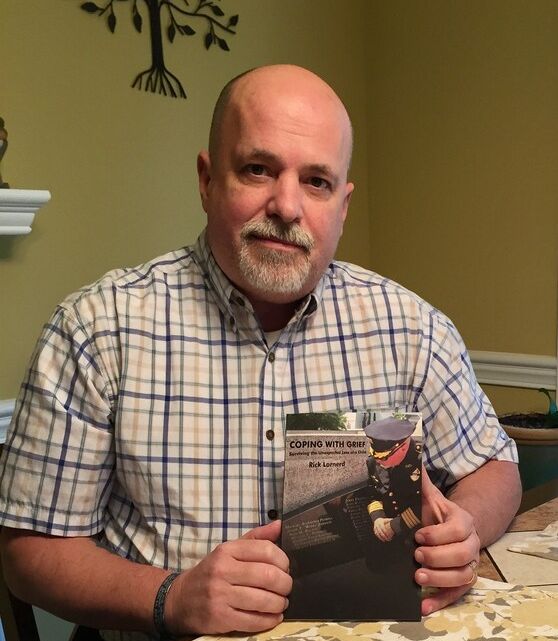
On a recent episode of the Hunterizer Podcast, we sat down with Rick Larnerd — a U.S. Army veteran, former Pennsylvania game warden, former Tennessee police chief, and current deputy sheriff — for a conversation that reminded us of something many hunters already know, but the broader public often forgets: game wardens are not just enforcers. They are conservation professionals, public servants, and stewards of wildlife.
Game wardens are not just enforcers. They are conservation professionals, public servants, and stewards of wildlife.
A calling that started in childhood
For Rick, becoming a game warden was never a random career choice. He knew from the time he was a child that this was what he wanted to do. Introduced to the outdoors by his father at a young age, Rick grew up fishing and hunting deer, wild turkeys, grouse, rabbits, and pheasants. He harvested his first turkey at 13 and took a deer with a flintlock rifle at 16. Those early experiences did more than create memories — they shaped a lifelong mission. After high school, he joined the Army as an infantryman, serving in Germany and later in the U.S. When he returned, he applied to the Pennsylvania Game Commission and was selected from a pool of roughly 5,000 applicants for a class of just 30.
What game warden training really looks like
Rick described an academy that lasted 47 weeks and covered far more than standard law enforcement. Recruits were trained extensively in wildlife, birds, mammals, fish, trees, shrubs, and the broader outdoor environment. During hunting season, cadets were assigned to work with experienced officers in the field across different parts of the state. In other words, a game warden was not simply expected to know the law. He was expected to understand the resource itself. That distinction matters. Too often, the public imagines a warden as just another cop in uniform. In reality, the role sits at the intersection of law enforcement and wildlife management. Effective wildlife conservation requires both sound management and consistent enforcement.
Not every violation is the same
Rick made an important distinction that every hunter will understand: some violations are deliberate, and others are mistakes. A poacher spotlighting deer at night, hunting out of season, or taking multiple animals illegally is intentionally harming the resource. Those are the people wardens try hard to prosecute. But a hunter who makes an honest mistake — for example, missing a piece of required blaze orange, or accidentally taking two animals with one shot — is a different story. Rick said he always tried to gauge his response based on intent and actual impact on the wildlife resource. The goal is not to punish everyone equally. The goal is to protect wildlife, encourage lawful behavior, and deal appropriately with genuine bad actors.
The myth of the “all-powerful warden”
One of the more revealing moments in the conversation was Rick’s response to a very common belief among hunters: that game wardens have broader search powers than regular police. According to Rick, that is simply not true — at least not in the blanket way many people assume. Wardens can inspect the things hunters are legally required to present, such as licenses, firearms compliance, and other hunting-related matters. But they are still bound by constitutional limits. They do not get a free pass to search vehicles or private property without consent, probable cause, or a warrant.
Most wardens are not looking for a fight
When Rick approached hunters in the field, his first goal was not confrontation. It was conversation. He wanted encounters to be brief, respectful, and non-adversarial. He understood that many hunters had limited time in the woods and that an unnecessary interruption could ruin a hard-earned day outdoors. Unless someone gave him a reason to escalate, he preferred to keep the interaction casual: check for compliance, wish them luck, and move on.
Hunting culture has changed — and not for the better
Rick also reflected on how much hunting culture has changed during his lifetime. When he was young in Pennsylvania, schools would close for the first days of deer season — not because students were absent, but because too many teachers were hunting. Hunting camps were full. Small towns thrived during deer season. Hunting was woven into the social and economic fabric of rural communities. Over time, that changed. Older generations aged out, fewer young people replaced them, and licensed hunter numbers declined. That decline has real consequences for conservation, recruitment, rural economies, and the future of hunting knowledge.
Hunters are conservationists — whether critics admit it or not
The conversation also touched on anti-hunting sentiment, especially in places where hunting is often misunderstood by the public and by policymakers. Rick pointed out that many anti-hunting and anti-trapping voices fail to account for the role hunters and trappers play in wildlife management. Predator populations, furbearers, nest raiders, disease vectors, and overabundant species do not manage themselves. Sound conservation requires population management, and hunters have always been part of that system. Just as importantly, responsible hunters care deeply about the long-term health of the resource. They are among the strongest advocates for habitat, access, species health, and stewardship.
Where Hunterizer fits in
One of the most meaningful parts of the conversation for us was Rick’s reaction to Hunterizer itself. Our mission is to help hunters understand what is legal to hunt, where, and under what rules at any given location — seasons, methods, public land status, bag and possession limits, shooting hours, allowed weapons, and other practical restrictions hunters need in the field. Rick saw the value immediately. Reliable tools can help reduce confusion, support compliance, and make hunting regulations easier to understand in the real world.
More than a warden: author, craftsman, and flintlock builder
Rick’s story does not end with game warden work. He is also an accomplished writer and craftsman. After retirement, he turned years of newspaper columns about his career into The Thin Green Line, a collection of stories from his time as a wildlife conservation officer in rural Pennsylvania. He continues building high-end flintlock rifles, pistols, and game calls through his business. That part of the conversation highlighted something deeper than gear: the continuity of tradition. Rick is not just talking about early American hunting culture — he is actively preserving and practicing it.
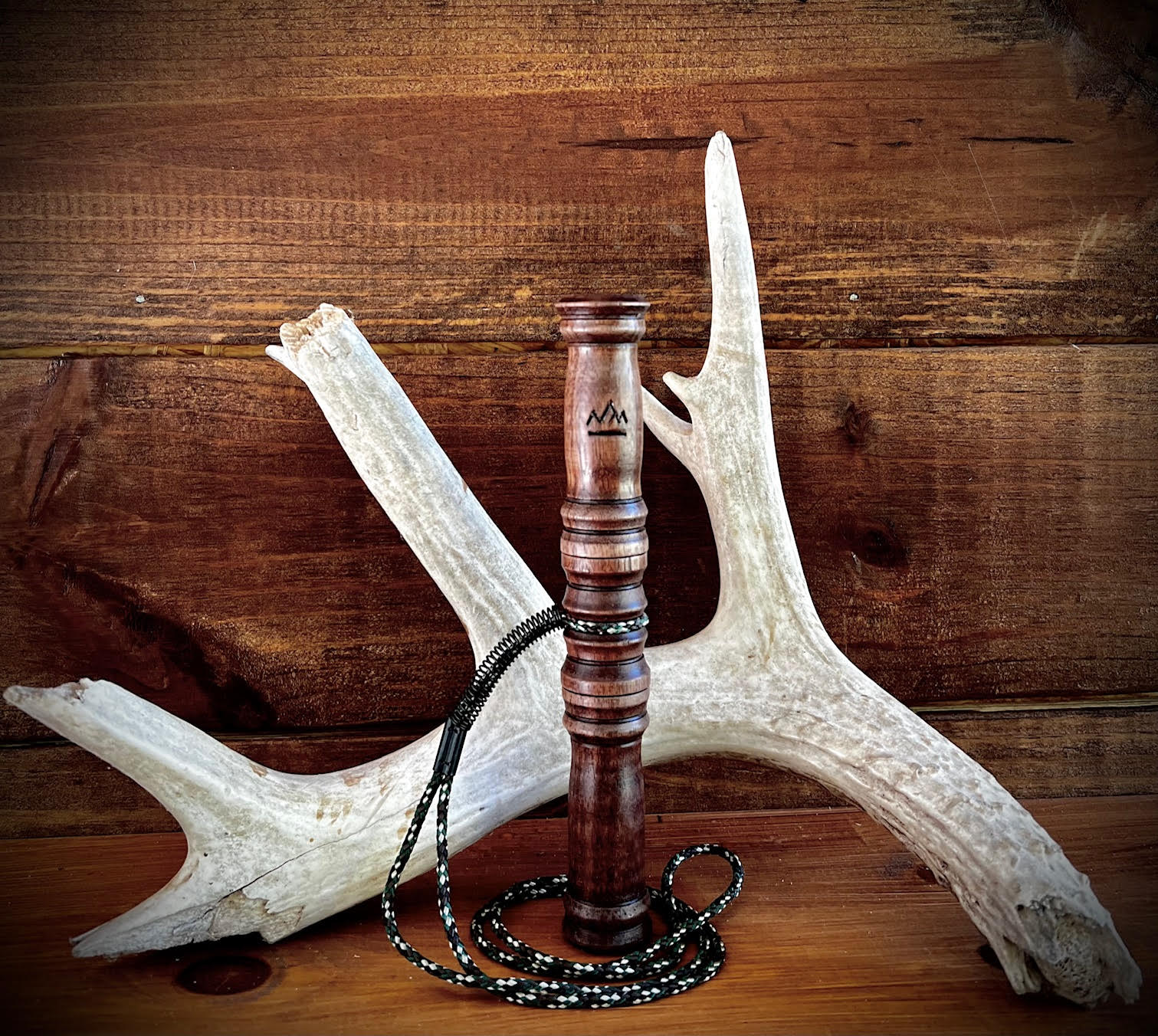



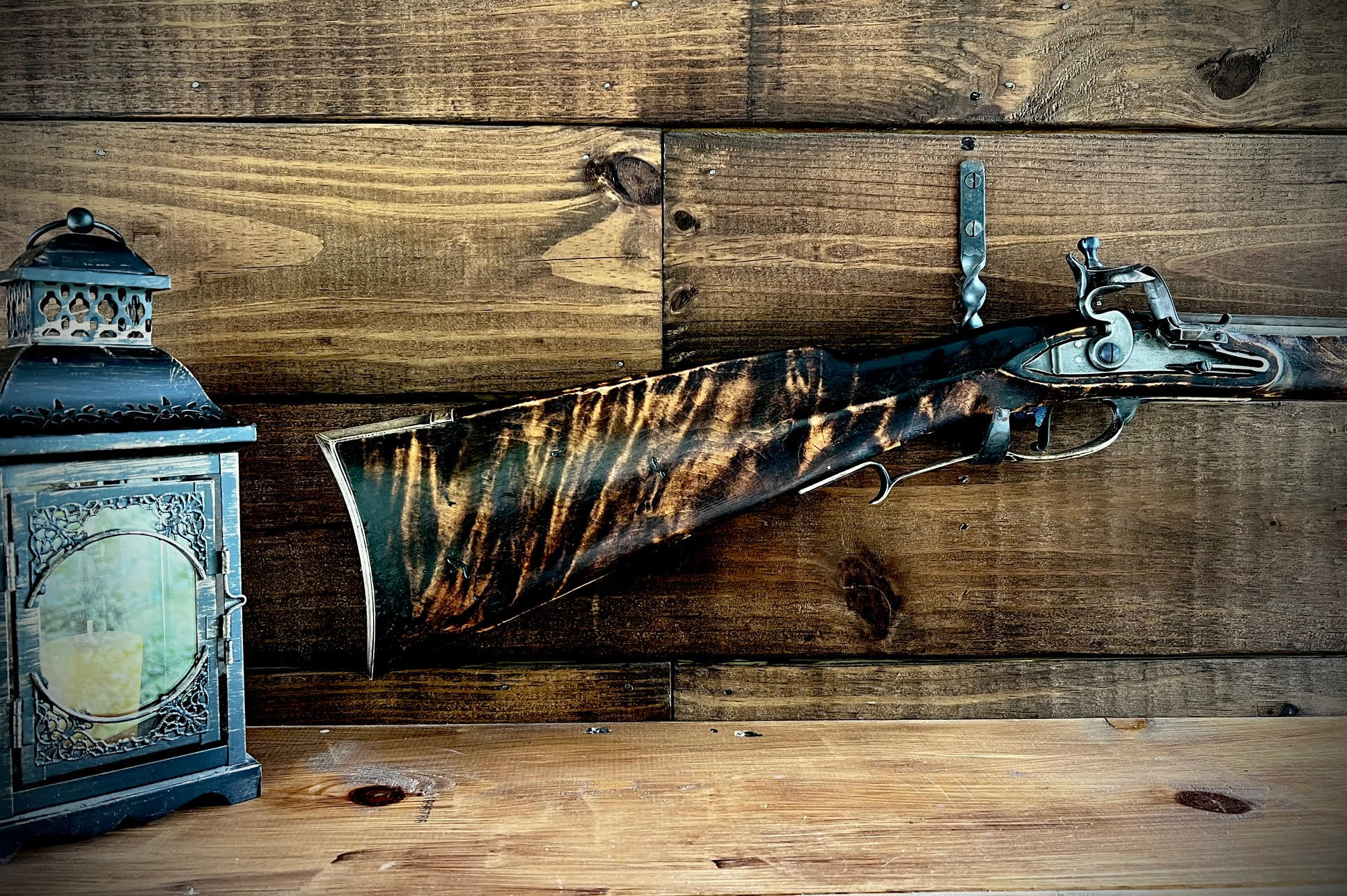

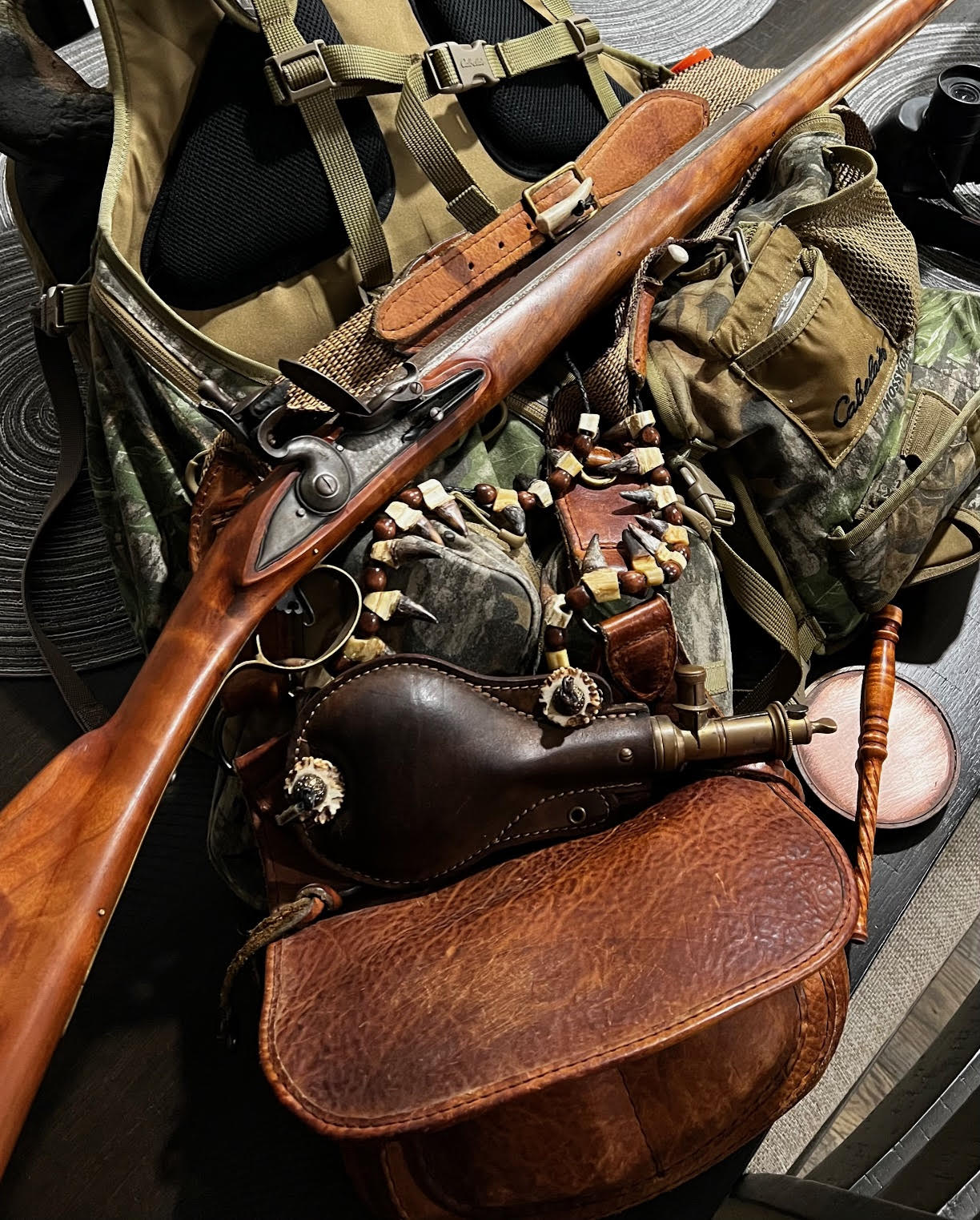
Custom-made flintlock rifles and calls by ex-PA warden Rick Larnerd — Gobbler Knob Longrifles & Mountain Music Game Calls
What this conversation reminded us
This episode reinforced something important: wildlife conservation is not abstract. It is carried out by real people — wardens, biologists, hunters, landowners, mentors, volunteers, and, sometimes, small startups trying to make regulations easier to understand. People often see the badge and stop there. But behind that badge is usually someone working year-round to protect wildlife, preserve access, educate the public, and keep a complex system functioning. That is the side of the story more people need to hear.
Rick Larnerd’s Links
- Books: The Thin Green Line — 20-year career as a PA game warden | Coping With Grief
- Game calls: Mountain Music Game Calls — award-winning handcrafted turkey, deer, and predator calls
- Custom flintlock rifles & pistols: Gobbler Knob Longrifles — Pennsylvania-style longrifles built from scratch
Hunterizer App
Know exactly what you can hunt — today, at your location.
Hunting season dates, bag limits, and regulations for 17 states: AZ, CA, CO, GA, ID, IL, MI, MT, NV, NY, PA, RI, SC, TN, TX, WA, and WI.