What was the proposal?
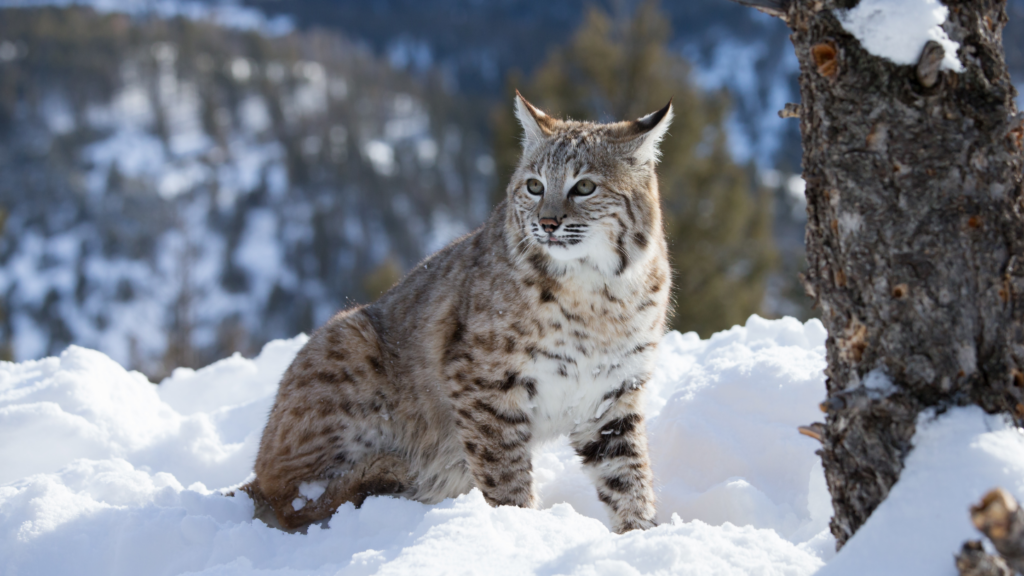
The proposal originated from a 2025 petition submitted by the Center for Biological Diversity, which asked the Colorado Parks and Wildlife Commission to prohibit the commercial sale, barter, or trade of fur from 17 native furbearer species harvested in Colorado. The requested ban would have applied to species including:
- Bobcat
- Coyote
- Beaver
- Raccoon
- Red and gray fox
- Badger
- Mink
- Muskrat
- Pine marten
- Swift fox
- Long- and short-tailed weasels
- Striped and western spotted skunks
- Ring-tailed cat
- Opossum
The petition included only a handful of exemptions, such as museum collections, scientific use, and certain traditionally made felt hats.
CPW staff recommended against the ban
Although the Commission voted earlier this year to move the petition into formal rulemaking, CPW staff again recommended rejecting it during the July meeting.
Wildlife managers concluded there was no solid scientific evidence that commercial fur sales are driving harvest levels or threatening Colorado’s furbearer populations. They also warned that a sales ban would create enforcement challenges, particularly in tracking whether pelts sold online or outside Colorado originated from animals legally harvested within the state.
CPW Director Laura Clellan noted that annual harvest rates for Colorado’s furbearers are a small fraction of estimated populations and that existing data do not indicate current hunting or trapping levels are biologically unsustainable.
Why the proposal was controversial
Supporters of the petition argued that eliminating the commercial value of fur would discourage recreational trapping and modernize Colorado’s wildlife policies. They also contended that furbearers should be managed more like big-game species, with stricter limits and greater protections.
Hunters, trappers, agricultural organizations, and many wildlife professionals countered that regulated trapping remains a legitimate wildlife management tool. They argued that selling pelts helps offset the cost of trapping, encourages participation in predator management, and provides valuable biological information through mandatory reporting requirements.
Opponents also pointed out that Colorado voters rejected another high-profile wildlife restriction in 2024, when Proposition 127—which sought to ban mountain lion and bobcat hunting—failed at the ballot box.
What changes for hunters?
For now, very little changes.
Hunters and licensed trappers in Colorado may continue to sell legally acquired pelts and hides from furbearer species under existing state law. The Commission’s decision means the current market for raw pelts and finished fur products remains intact.
The debate, however, highlighted a broader discussion about Colorado’s management of furbearers. Commissioners also considered proposals to establish daily harvest limits for these species. While CPW maintains there is no evidence current harvest levels are harming populations, the agency has explored adding limits to better align furbearer regulations with those governing other game species and to address public concerns.
What happens next?
The Commission’s rejection ends this particular rulemaking effort, but the issue is unlikely to disappear. Wildlife advocacy groups have increasingly focused on hunting and trapping regulations in Colorado, and future petitions or ballot initiatives remain possible.
For hunters and trappers, the decision represents a significant victory for science-based wildlife management. By following the recommendation of its own wildlife biologists, the Commission affirmed that any major regulatory changes should be supported by biological evidence rather than public perception alone.
Stay informed with Hunterizer
Wildlife regulations continue to evolve across the country, from season changes and harvest limits to major policy debates like Colorado’s fur sales proposal. The Hunterizer app helps hunters stay up to date with hunting seasons, regulations, zone maps, and breaking hunting news across multiple states, making it easier to plan your next hunt with confidence.