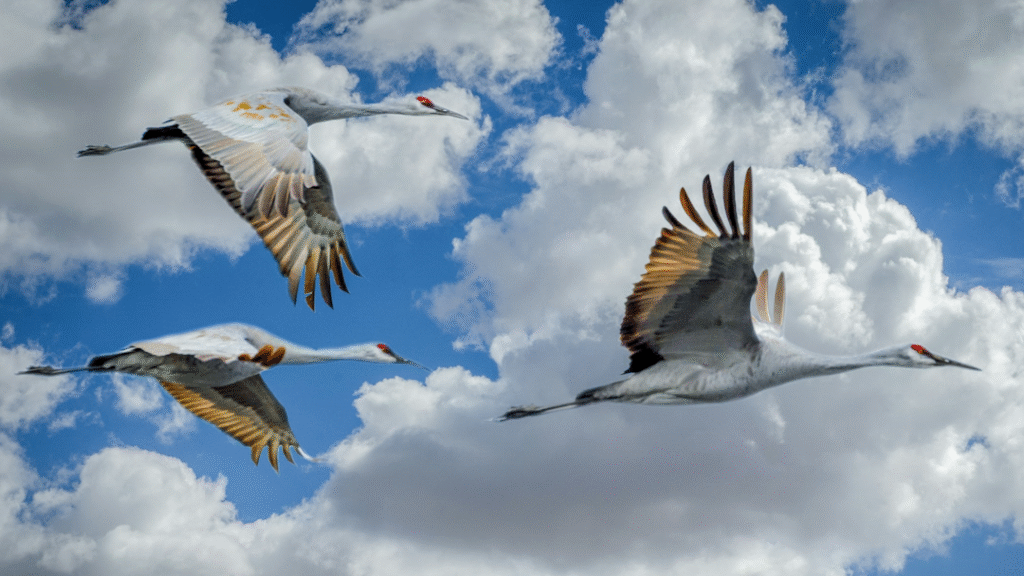
Wisconsin hunters may be on the brink of a major change to the state’s upland and migratory game bird landscape: legislators are considering a bill that would allow a legal hunting season for sandhill cranes. As of early 2026, the proposal is making its way through committee hearings and stirring robust debate among lawmakers, hunters, landowners, conservationists, and wildlife advocates.
What’s in the Bill
The proposed legislation — currently moving through the Wisconsin Legislature as Assembly Bill 117 and Senate counterparts — would authorize the Wisconsin Department of Natural Resources (DNR) to establish a regulated sandhill crane hunting season with permits and rules similar to other migratory game bird seasons.
Under the bill:
- Crane hunting could be allowed for the first time in state history if federal approvals are secured. Current state law does not authorize a public hunting season for cranes.
- Permit fees (e.g., a lower cost for residents and higher for non-residents) would be used to manage the season and support related programs.
- The bill would also tie into state wildlife damage programs, providing crop-damage reimbursements for farmers experiencing losses where cranes feed on newly planted corn and other crops.
Because sandhill cranes are protected under the federal Migratory Bird Treaty Act, any state hunting season must be approved by the U.S. Fish and Wildlife Service before it can begin.
Why the Push for a Hunt?
Supporters of the bill argue hunters deserve new opportunities and that a state-regulated hunt could help manage expanding crane populations in a way that benefits both wildlife and people. Some proponents point to growing crane numbers — with eastern populations estimated well above thresholds used by scientific flyway councils — and contend that limited harvests could be biologically sustainable.
Additionally, farmers in crop-heavy areas have long cited cranes as a source of spring planting damage. The bill’s backers say pairing a hunt with damage compensation tools will provide both economic relief and a new harvest opportunity for waterfowlers and upland hunters alike.
What Hunters Should Know About the Debate
The proposal has prompted lively discussions at public hearings in Madison, with standing-room-only crowds of hunters, conservationists, bird lovers, and landowners weighing in.
Supporters stress that:
- A regulated season could open a unique quarry for Wisconsin hunters.
- Sandhill cranes have rebounded strongly in recent decades, suggesting harvest may be sustainable.
Opponents caution that:
- Populations still depend on careful management and slow reproductive rates — crane chicks take years to reach maturity.
- A hunt could increase the risk of accidentally shooting whooping cranes (an endangered species also found in Wisconsin) and other protected birds if identification mistakes occur.
- Surveys indicate many Wisconsin residents — including outdoorspeople — are not strongly in favor of a hunt.
Some conservation voices argue that crop damage could be more effectively addressed with non-lethal solutions, such as seed treatments and habitat management, rather than harvest.
Where the Bill Stands in 2026
As of early 2026, the crane hunting proposal has passed committee hearings in both the Assembly and Senate and continues to be discussed in legislative sessions. It has not yet become law, and its ultimate fate may hinge on further votes and whether the Legislature approves it before the current session ends.
Hunters should also be aware that even if the bill becomes law, federal approval and DNR rulemaking would be required before any season could open.
What This Means for Wisconsin Hunters
If approved, a sandhill crane season would offer:
- A new migratory game bird opportunity for licensed hunters.
- A chance to participate in managing a recovered species.
- Possible expansion of hunting tourism and tagging opportunities.
At the same time, hunters would need to be prepared for:
- Strict identification rules to avoid protected species.
- Specific season dates, bag limits, and area closures set by the DNR.
- Federal and state requirements before the first legal harvest.
Whether the bill passes this season or not, it represents a notable shift in Wisconsin wildlife management policy and could reshape migratory game bird seasons in the years ahead.
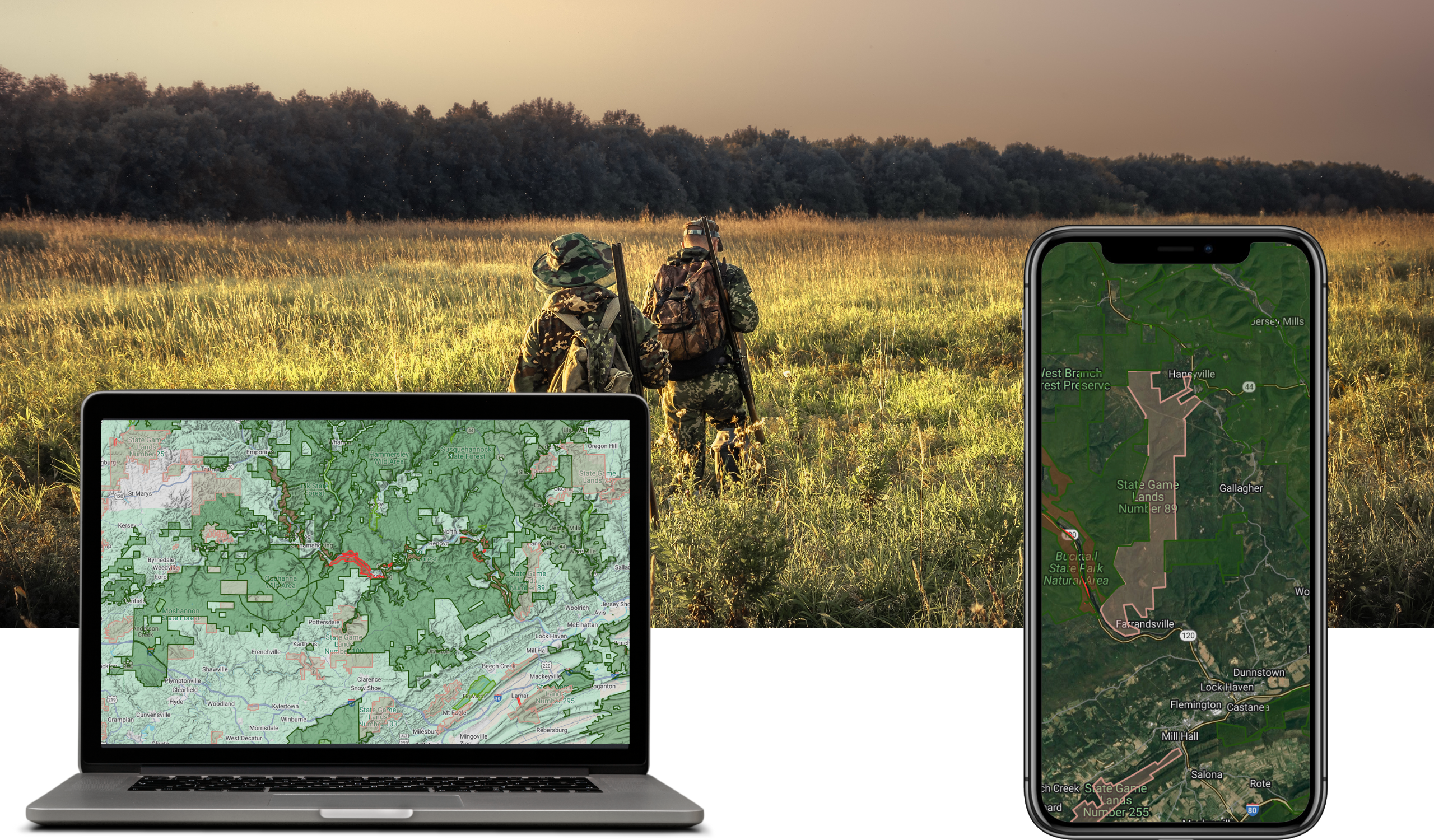
Hunterizer App
Hunting Wisconsin? See exactly what’s in season at your GPS location.
The Hunterizer app shows species, bag limits, and zone rules for your exact coordinates — for every county in Wisconsin.