Northeastern California hunters are already in the marsh, while most of the state is preparing for the major October 23–24 openers. Here are the season dates, limits and early conditions California waterfowl hunters should know.
California’s 2026–27 waterfowl season is officially underway, with hunters in the Northeastern Zone opening the season on October 3. For most California duck hunters, however, opening day is still several weeks away.
The Colorado River Zone opens October 23, followed one day later by the Balance of State, Southern San Joaquin Valley and Southern California zones on October 24. Those seasons run through January 31, while the Northeastern Zone’s duck season runs through January 13.
Northeastern California Opens First
The Northeastern Zone traditionally gives California hunters the state’s first regular-season opportunity. Ducks opened October 3, along with Canada geese and the first portion of the white and white-fronted goose season.
The duck limit is seven birds per day, including no more than:
- 2 female mallards
- 3 pintails
- 2 canvasbacks
- 2 redheads
- 2 scaup
Unlike most of California, where the scaup season does not begin until November 7, scaup are already legal in the Northeastern Zone. The first Northeastern scaup season runs October 3 through November 29 before reopening December 17 through January 13. Possession limits are three times the daily bag limit.
How Was Opening Weekend?
The October 3–4 opening weekend had just concluded at the time of publication, and CDFW’s official 2026–27 hunt-result tables had not yet posted opening-weekend harvest figures for state-operated areas. Hunterizer will watch those numbers as CDFW begins publishing results from places such as Ash Creek and other northeastern public hunting areas.
There was, however, encouraging habitat and production news heading into the opener. CDFW’s 2026 breeding survey found that abundant April rains and water carried over from 2025 produced generally favorable nesting conditions, with biologists expecting average production for most duck species in northern California. California’s breeding mallard estimate was 267,101 birds, just 1% below 2025, although total breeding ducks declined about 10% to 435,937.
The Klamath Basin also entered the season with unusually large numbers of locally produced and summering birds. The U.S. Fish and Wildlife Service reported that Tule Lake and Lower Klamath National Wildlife Refuges supported an estimated 80,000 to 100,000 waterbirds hatched this year and roughly 200,000 to 300,000 molting adults, described as the highest breeding-season numbers recorded there in recent decades.
There is an important caution for hunters at Tule Lake, however. The refuge has been dealing with a significant avian botulism outbreak, with at least 16,522 bird deaths estimated as of September 17. Tule Lake also currently has a DANGER-level harmful algal bloom advisory. Hunting remains open, but the U.S. Fish and Wildlife Service is advising hunters to avoid contact with affected water and take extra precautions with hunting dogs.
Most California Duck Hunters Open October 24
The biggest opening day on California’s waterfowl calendar arrives Saturday, October 24, when three major zones begin their seasons:
- Balance of State: October 24 – January 31
- Southern San Joaquin Valley: October 24 – January 31
- Southern California: October 24 – January 31
The Colorado River Zone opens one day earlier, October 23, and also runs through January 31.
For all of these zones, the general daily duck limit is seven. The species restrictions include no more than three pintails, two canvasbacks, two redheads and two scaup, with no more than two female mallards within the mallard limit.
One date hunters should pay particular attention to is November 7. Scaup season does not open until that date in the Balance of State, Southern San Joaquin Valley, Southern California and Colorado River zones, even though the general duck season opens earlier.
California’s Duck Numbers Are a Mixed Picture
Hunters shouldn’t interpret good wetland conditions as meaning every duck population increased.
CDFW estimated 435,937 breeding ducks in California in 2026, down about 10% from 482,358 in 2025. Mallards held relatively steady at 267,101, down only 1% year over year, but remained well below their long-term average.
That survey measures ducks breeding in California, however, and does not represent the entire population hunters will see during fall and winter. A large share of California’s wintering ducks originate farther north in Alaska and Canada and move south through the Pacific Flyway as fall progresses.
That means early-season conditions are only part of the story. Weather systems, cold temperatures farther north, wetland availability and migration timing can dramatically change hunting conditions in California as the season progresses.
Don’t Forget Goose Seasons and Special Areas
Goose regulations are considerably more complicated and vary by zone and special management area.
In the Balance of State Zone, the regular goose season opens October 24, but an early Large Canada goose season runs October 3–5. During the regular season, the general limit is 30 geese per day, including no more than 20 white geese and 10 dark geese, of which no more than six may be white-fronted geese.
There are additional restrictions in places including the Sacramento Valley Special Management Area, Klamath Basin, North Coast, Imperial County and Humboldt Bay South Spit, so hunters should not assume the statewide-looking limit applies everywhere they hunt.
Licenses, Stamps and Refuge Reservations
California waterfowl hunters generally need a valid hunting license, California Duck Validation, HIP Validation and a Federal Duck Stamp for hunters age 16 or older, with certain exemptions applying to junior hunters.
Hunters planning to use state-operated wildlife areas may also need reservations and hunting passes. CDFW notes that reservation applications generally close 17 days before each hunt date, making advance planning important for hunters hoping to hunt popular refuges and wildlife areas.
Hunters can review the complete current season dates and regulations through the CDFW Waterfowl Hunting page. Hunters heading to the Klamath Basin should also check the Tule Lake National Wildlife Refuge hunting information before their trip because water conditions and health advisories can change.
Plan Your California Waterfowl Hunt With Hunterizer
California’s waterfowl regulations are a good example of why simply knowing that “duck season is open” isn’t always enough. Five waterfowl zones, different opening dates, delayed scaup seasons, special goose management areas and species-specific limits can make the regulations considerably different depending on exactly where and when you hunt.
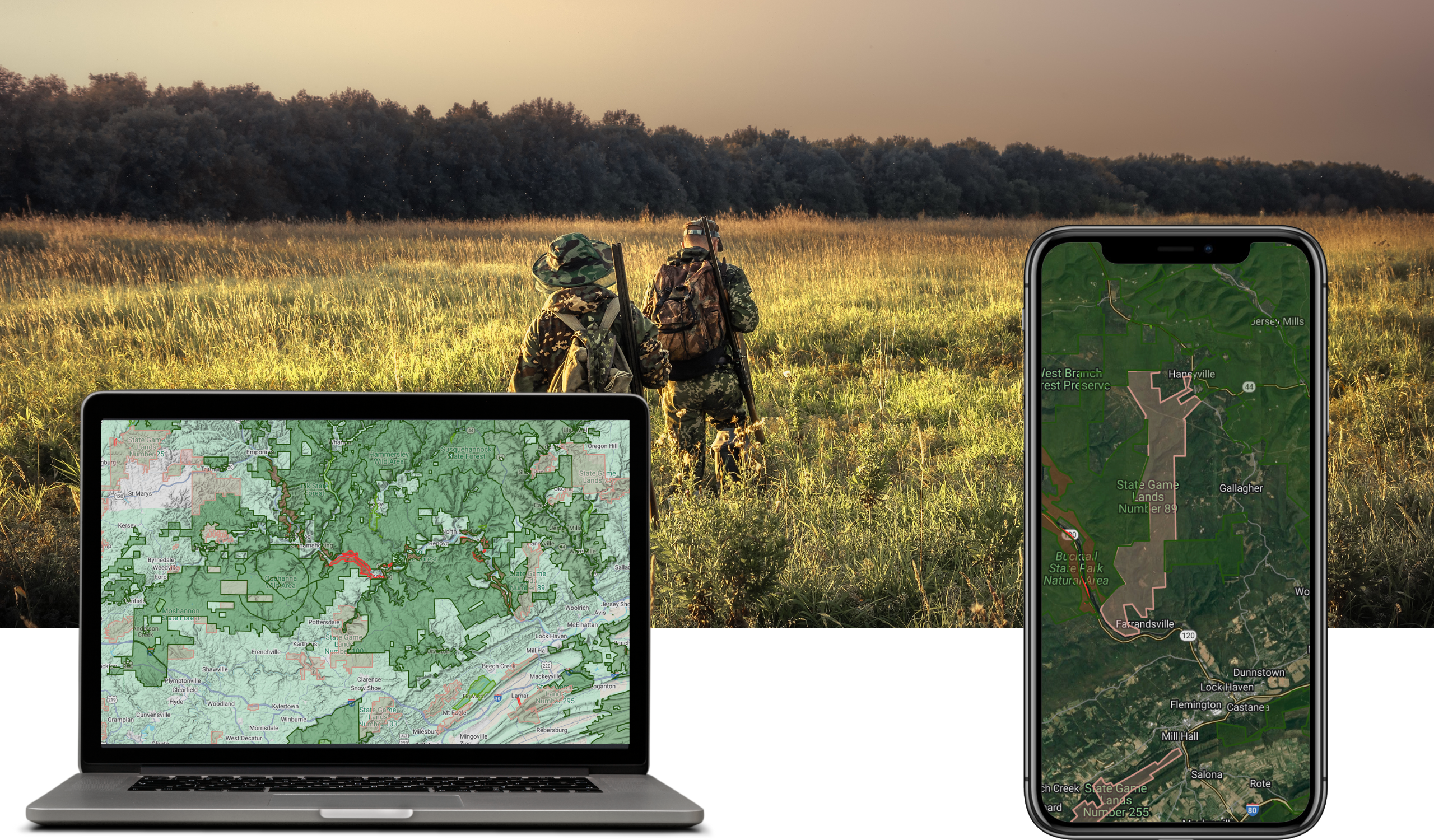
The Hunterizer app helps simplify that process by showing hunters what they can legally hunt at their location on a particular date, along with season dates, hunting zones, shooting hours, bag limits and other important regulations.
Hunterizer also includes photos of all duck species found in California, showing both male and female birds, helping hunters identify ducks in the field and distinguish species where males and females can look considerably different. That can be particularly useful when several species are using the same marsh and different species-specific bag limits apply.
As California’s major October 23–24 waterfowl openers approach, check your hunting location in Hunterizer before heading to the marsh—and use the app’s duck identification photos to make sure you know what you’re looking at before taking a shot.