The Price County pack was trapped and euthanized after wolves became increasingly accustomed to people and nonlethal deterrents failed, marking Wisconsin’s first official lethal wolf removal since federal protections returned in 2022
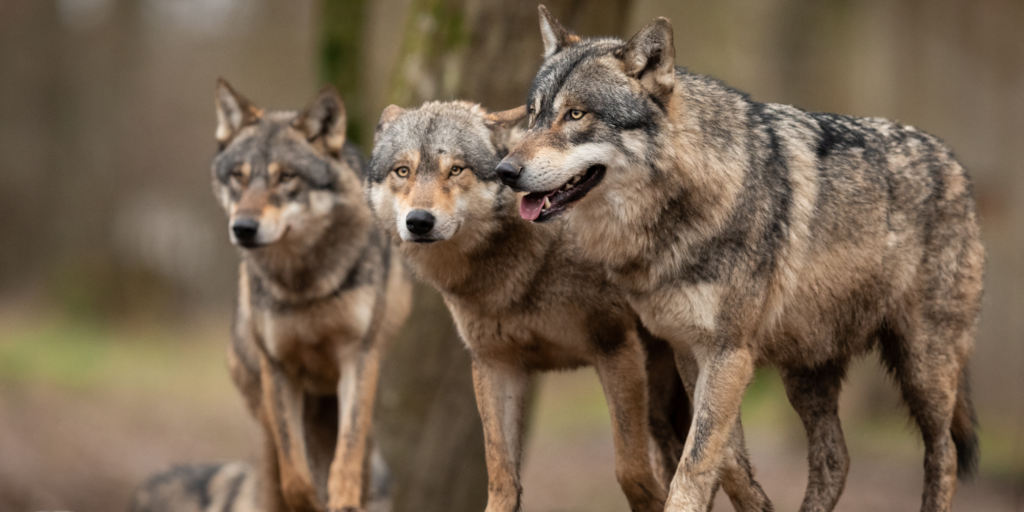
Federal wildlife personnel removed nine gray wolves from a pack in northern Wisconsin after a series of encounters raised concerns about human safety and efforts to discourage the animals from approaching people failed.
The wolves were trapped and euthanized by USDA Wildlife Services in rural Price County in late August and early September, according to the Wisconsin Department of Natural Resources. The action followed verified human health and safety incidents reported between July 2025 and August 2026.
The removal is particularly notable because gray wolves remain federally protected in Wisconsin. According to Wisconsin Public Radio, these were the first wolves killed by government officials in Wisconsin since federal Endangered Species Act protections were restored in February 2022.
Wolves Were Becoming Habituated to People
According to the DNR, officials did not move immediately to lethal removal. Residents and wildlife managers first attempted a number of nonlethal measures intended to make the area less attractive to wolves and reinforce their natural avoidance of people.
Those measures included removing potential attractants, auditory harassment, increased lighting and increased human activity. However, officials said the efforts did not resolve the problem. Instead, reports showed a pattern of escalating behavior, with the wolves becoming less responsive to hazing and increasingly accustomed to the presence of people.
USDA Wildlife Services ultimately trapped and euthanized nine wolves believed to belong to the same pack. The Wisconsin DNR made the management decision after consultation with the U.S. Fish and Wildlife Service, while Wildlife Services carried out the removal.
The DNR said the lethal actions were conducted under authorities provided by the federal Endangered Species Act.
Wolves Are Still Federally Protected in Wisconsin
The incident does not represent a change in Wisconsin’s overall wolf status.
Gray wolves remain federally protected in Wisconsin, and there is currently no legal recreational wolf hunting or trapping season. Harvest and routine lethal depredation control remain prohibited. Wisconsin law provides for a wolf hunting and trapping season when wolves are no longer federally or state-listed, but those provisions cannot currently be implemented.
Hunters should also understand the distinction between government removal of problem wolves and what an individual hunter may legally do.
The DNR states that it remains unlawful for a person to shoot a wolf in Wisconsin unless there is an immediate threat to human safety. A wolf attacking livestock, a pet or a hunting dog does not by itself give a hunter authority to kill the wolf under the current federal protections. Suspected depredations or threatening wolf behavior should instead be reported to USDA Wildlife Services.
Wolf Conflicts Remain a Concern for Hunters With Dogs
The Price County removal comes during a year in which Wisconsin has recorded numerous wolf attacks on hunting dogs.
Wisconsin DNR records show confirmed 2026 hunting-dog depredations in several northern and central Wisconsin counties. Price County itself recorded one dog killed and another injured on September 17, followed by another dog killed on September 22. Those incidents occurred after the nine wolves were removed, and there is no evidence indicating that they involved the same pack.
The DNR establishes wolf caution areas following verified attacks on dogs on lands open to public recreation. These areas are not hunting closures, but hunters — particularly those running hounds — are encouraged to use additional caution.
Wolf conflicts with hunting dogs are especially common from July through September, when packs may be concentrated around rendezvous sites where pups are being raised. Hounds pursuing bears, coyotes, bobcats and raccoons can be particularly vulnerable because they may range considerable distances from their handlers and can be perceived by wolves as territorial threats.
Hunters using dogs should check the DNR’s current wolf caution areas before heading into the field and consider avoiding recent attack sites and areas showing concentrated wolf activity.
Wisconsin Still Has More Than 1,000 Wolves
The removal of nine animals represents only a small portion of Wisconsin’s overall wolf population.
The state’s 2026 estimate placed the population at approximately 1,162 wolves in about 321 packs, down from an estimated 1,225 wolves the previous year. The DNR said removal of the nine Price County wolves is not expected to have a lasting negative biological effect on the wolf population in the area.
Wisconsin’s wolf population and its management remain closely watched by hunters, livestock producers, conservation groups and wildlife officials. For now, federal protection means Wisconsin cannot conduct a recreational wolf season, but the Price County case demonstrates that authorities can still remove individual wolves or packs when documented behavior creates a serious human-safety concern.
What Wisconsin Hunters Should Know
Hunters encountering wolves should remember that seeing a wolf — even at relatively close range — does not necessarily constitute an immediate threat. Wolves normally avoid people, and the DNR says verified attacks by healthy wild wolves on humans are extremely rare.
If a wolf does not leave, the DNR recommends not running. Maintain eye contact, act aggressively, shout and slowly back away. Hunters should never intentionally feed or approach wolves.
Those hunting with dogs should pay particular attention to current wolf caution areas. The Wisconsin DNR maintains an interactive map showing verified wolf conflicts, including hunting-dog depredations and human health and safety complaints.
Check Your Wisconsin Hunt With Hunterizer
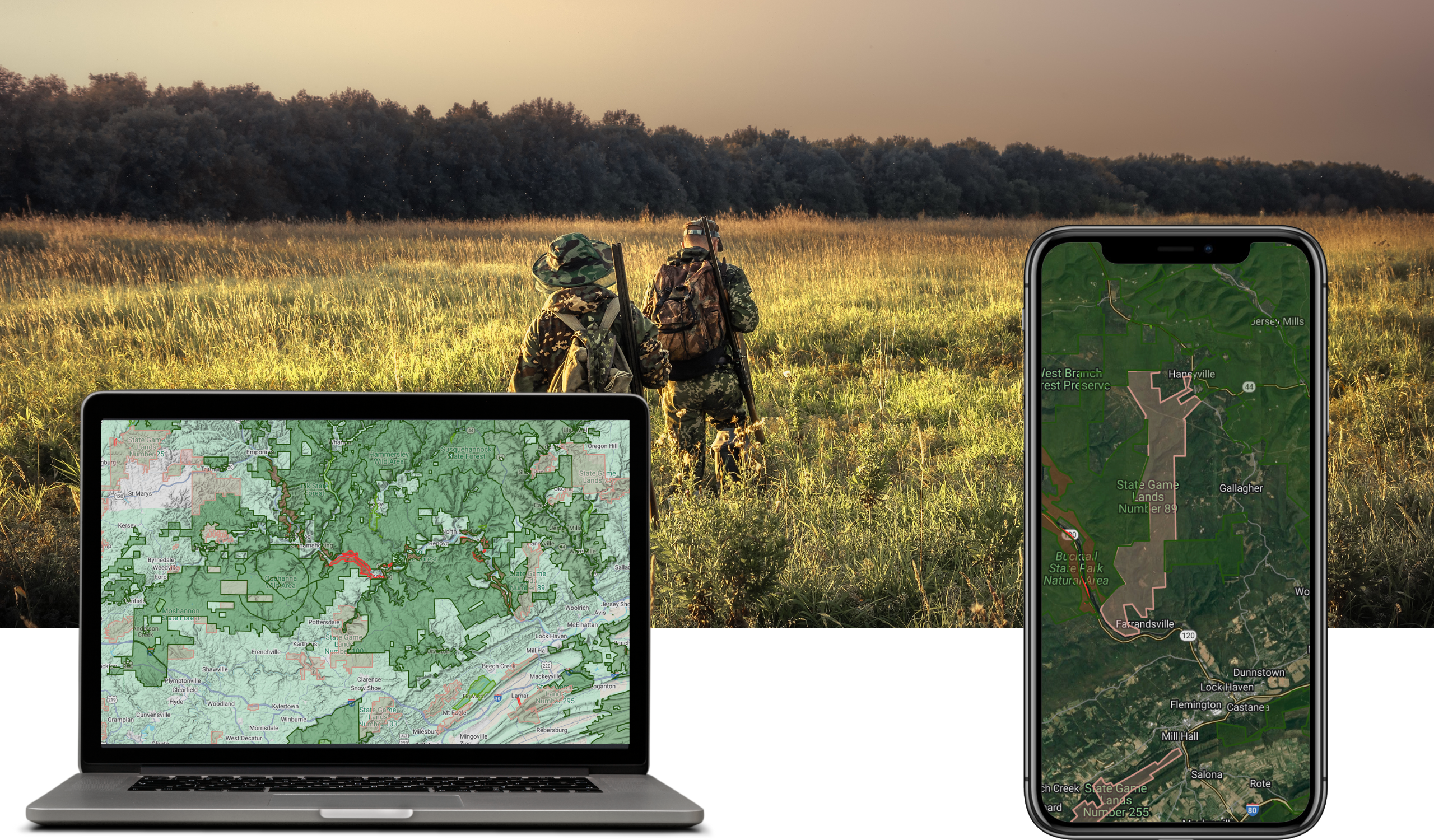
Wolf activity is another factor Wisconsin hunters may need to consider when planning time in the field, particularly hunters using hounds in northern Wisconsin. At the same time, hunters still need to keep track of changing seasons, hunting zones, legal weapons, shooting hours, bag limits and other regulations for the species they are pursuing.
The Hunterizer app helps simplify that planning by showing hunters what they can legally hunt at their location on a particular date, along with the regulations that apply to the hunt. Before heading into the field, check your hunt in Hunterizer — and when hunting with dogs in wolf country, also check the Wisconsin DNR’s latest wolf caution areas.