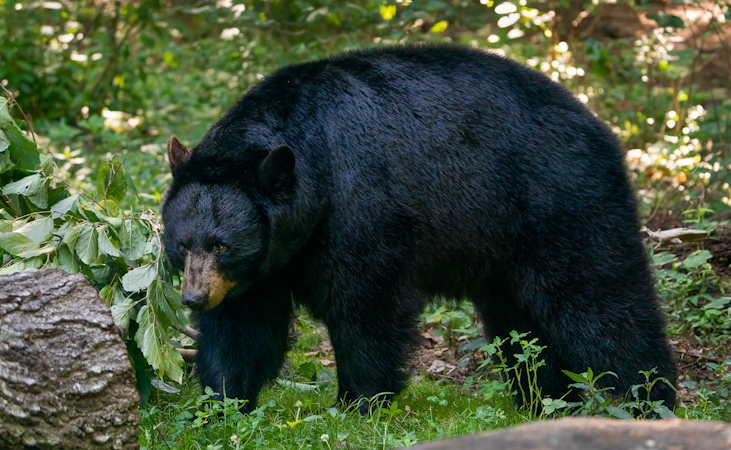
Wisconsin’s 2026 black bear hunting season ended with a harvest nearly 15% higher than last year, driven by strong results in northern Wisconsin. With an estimated population of 24,000 bears and record demand for hunting permits, the state continues to rely on regulated hunting to manage its expanding bear population.
Wisconsin hunters harvested 4,275 black bears during the 2026 season, exceeding the Wisconsin Department of Natural Resources (DNR) statewide harvest target of 4,160 bears by approximately 3%. Preliminary results released October 28 show a substantial increase over the 3,724 bears harvested in 2025.
The season concluded October 13, with 15,245 bear hunting licenses issued through Wisconsin’s lottery system. Statewide hunter success reached approximately 28%, close to the five-year average of 30%.
Northern Wisconsin Leads the Harvest
Northern Wisconsin once again accounted for the majority of the state’s bear harvest, with particularly strong results in the northwestern region.
Bear Management Zone D recorded the largest harvest at 1,316 bears, exceeding its target of 1,100. Counties including Barron, Burnett, Polk and Washburn contributed to the strong results, producing the highest harvest recorded for that zone.
Zone A, in north-central Wisconsin, had the highest hunter success rate at an impressive 73%, with 1,228 bears harvested against a target of 1,100.
Preliminary results by management zone were:
Zone, Bears Harvested, Hunter Success
A 1,228 73%
B 807 52%
C 733 16%
D 1,316 34%
E 158 6%
F 33 4%
Total 4,275 28%
These differences highlight how dramatically bear hunting opportunities and success rates vary across Wisconsin’s management zones.
Weather and Natural Food Sources Influence Hunting Success
According to the DNR, drought conditions across northern Wisconsin, particularly in the northwest, influenced bear activity during the season. Despite concerns about the dry conditions, hunters in Zone D exceeded harvest expectations.
In southern Wisconsin, abundant acorns and agricultural crops provided alternative food sources for bears, sometimes reducing their attraction to hunting bait sites. Success rates in Zones C, E and F were slightly lower than in 2025.
The DNR also increased the number of available licenses in several central and southern management zones, helping boost overall harvest numbers in those regions.
Wisconsin’s Bear Population Remains Strong
Wisconsin’s black bear population is estimated at approximately 24,000 animals, with bears occupying more than half of the state. Although the highest densities remain in northern Wisconsin, the species has expanded its range into central and southern areas over recent decades.
Regulated hunting remains an important wildlife management tool. The DNR adjusts harvest targets and permit allocations to maintain sustainable bear populations while addressing agricultural damage, residential conflicts and other management concerns.
In northwestern Wisconsin, where the management objective includes reducing bear numbers, the higher 2026 harvest was consistent with the state’s population goals.
Bear hunting also provides valuable biological information. Hunters are required to submit teeth from harvested bears, allowing wildlife biologists to estimate age and collect genetic information used in population research.
Record Demand for Bear Hunting Permits
Interest in Wisconsin bear hunting continues to grow. More than 146,000 people applied for a bear hunting license or preference point in 2026, establishing another record.
Because Wisconsin distributes bear permits through a preference-based lottery, hunters in many zones must accumulate points over multiple years before receiving a license.
Hunters planning to participate in the 2027 season must apply for a bear license or preference point by December 10, 2026, through the state’s Go Wild licensing system.
Applicants must apply at least once during every three-year period to retain their accumulated preference points.
Plan Your Next Wisconsin Hunt With Hunterizer
Wisconsin offers a wide variety of hunting opportunities beyond black bears, including white-tailed deer, wild turkey, waterfowl, small game and furbearers. With different hunting zones, season dates, legal weapons and harvest requirements, knowing what is open at a particular location can be challenging.
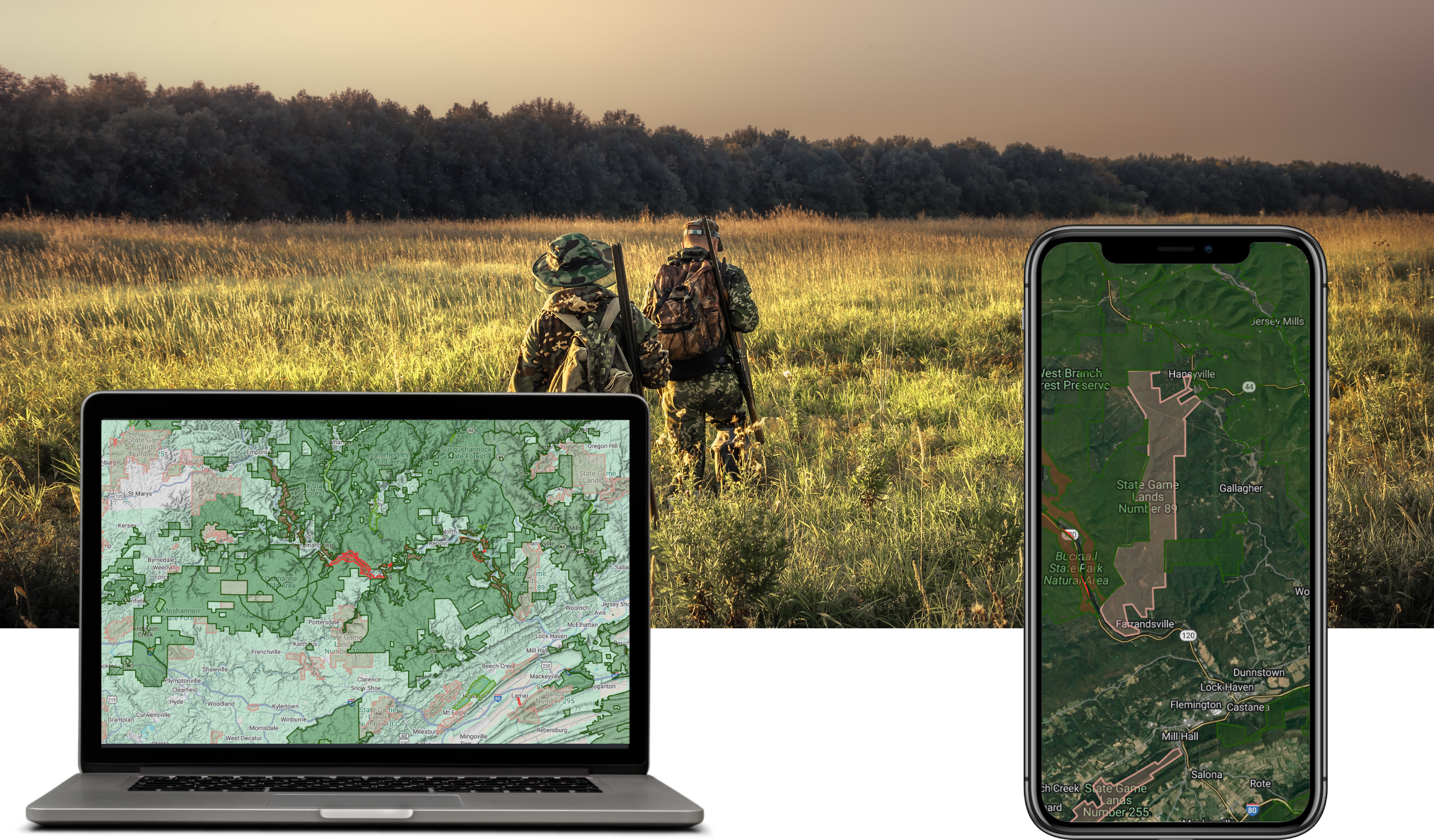
The Hunterizer app helps hunters determine what they can legally hunt at their location on any given date. It provides hunting season dates, zone maps, legal weapons, bag limits, shooting hours, license requirements and important after-harvest regulations, making it easier to plan hunts and stay compliant with Wisconsin hunting rules.