Idaho’s 2026 deer seasons are getting underway, and hunters in several parts of the state face mandatory Chronic Wasting Disease testing requirements. Two additional units were added this year, while special carcass-transport restrictions remain in effect in Idaho’s designated CWD Management Zones.
Idaho deer hunters are heading into the field for the 2026 season, with archery hunts already underway in many areas and the major fall rifle seasons approaching. Idaho offers both mule deer and white-tailed deer opportunities through a combination of general and controlled hunts, and exact dates vary considerably by unit, tag and weapon type. Hunters should verify the dates and boundaries printed for their specific tag rather than relying on a single statewide opening date.
This year, hunters also need to pay close attention to Idaho’s expanding response to Chronic Wasting Disease (CWD). CWD is a contagious and fatal neurological disease affecting deer, elk and moose. Idaho Fish and Game relies heavily on hunter-harvested animals to determine where the disease is occurring and how prevalent it is, making hunters an important part of the state’s surveillance program.
Mandatory CWD Testing Expands for 2026
For the 2026 season, CWD testing is mandatory for all hunter-harvested mule deer and white-tailed deer taken in:
- Unit 14
- Unit 18
- Unit 23
- Unit 63A
- Unit 64 — new for 2026
- Unit 69 — new for 2026
- A portion of Unit 1 — the portion of Boundary County east of the Selkirk Mountains crest
Hunters harvesting a deer in any of these areas must submit the animal’s head or lymph-node sample within 10 days of harvest. Samples can be submitted at designated Idaho Fish and Game offices, check stations, sampling sites and remote collection locations.
There is also some good news compared with last season. Units 24 and 32A are no longer mandatory-testing units in 2026 after two consecutive years without CWD detections there. Unit 23 remains under mandatory testing because a mule deer buck harvested there tested positive for CWD in 2023.
CWD Management Zones Have Additional Restrictions
Not all mandatory-testing units have the same rules. Idaho currently has three designated CWD Management Zones: Units 14, 18 and the affected portion of Unit 1 east of the Selkirk Mountains crest in Boundary County.
In these areas, mandatory deer testing is accompanied by much stricter carcass-transport rules. Whole deer, elk or moose carcasses cannot be transported out of the CWD Management Zone. Hunters should quarter the animal and leave the spine in the field, while maintaining the required evidence of sex. If the lymph nodes are removed for testing, the head should also remain at the harvest site.
Hunters can take certain low-risk parts out of the management zone, including cut-and-wrapped meat; quarters or deboned meat without brain or spinal tissue; edible organs other than the brain; hides without the head; elk ivories; finished taxidermy; dried antlers; and properly cleaned and dried skulls or skull caps. A head or lymph nodes can also be transported to Idaho Fish and Game specifically for CWD sampling.
Hunters interested in keeping the antlers should pay particular attention to the procedure. When an entire head is submitted to Fish and Game for sampling, hunters can retain the antlers or skull cap, but the remainder of the head will remain with IDFG for proper disposal.
Units 23, 63A, 64 and 69 Are Different
The rules are simpler in Units 23, 63A, 64 and 69. Deer harvested there still require mandatory CWD testing within 10 days, but these units are not currently CWD Management Zones.
That means the special in-state carcass-transport restrictions associated with Units 14, 18 and the affected portion of Unit 1 do not apply. This is an important distinction for hunters traveling between units or returning home after their hunt.
What About Elk?
CWD affects elk as well as deer, but Idaho’s 2026 mandatory-testing requirement in these seven areas specifically applies to hunter-harvested mule deer and white-tailed deer. Idaho Fish and Game nevertheless encourages hunters to voluntarily submit samples from elk harvested elsewhere in the state.
There is another important distinction for elk hunters in Units 14, 18 and the affected portion of Unit 1. Although mandatory testing is directed at deer, the CWD Management Zone carcass-transport restrictions apply to deer, elk and moose. An elk hunter therefore cannot simply load an entire harvested elk into a truck and transport it outside one of these management zones. The animal must be processed and transported in accordance with the CWD rules.
Idaho’s 2026 elk seasons also vary considerably by elk zone and whether the hunter holds an A tag, B tag or controlled-hunt tag. Many archery opportunities began in late August, while numerous rifle seasons take place during October and November. Hunters should check the specific season attached to their tag before hunting.
And Moose?
Moose are also susceptible to CWD, and the disease rules matter for Idaho moose hunters even though moose hunting is conducted through limited controlled hunts rather than the general deer-and-elk season structure.
Like elk, moose are subject to the carcass-transport restrictions when harvested in a designated CWD Management Zone. Whole moose carcasses cannot be transported out of Units 14, 18 or the affected portion of Unit 1. Idaho Fish and Game also encourages hunters to submit CWD samples from moose harvested elsewhere as part of statewide surveillance.
Bringing Deer, Elk or Moose Into Idaho
CWD rules also matter to Idaho hunters returning from another state. Idaho prohibits importing, transporting or possessing a deer, elk, moose or caribou carcass — or prohibited portions of one — from a state, Canadian province or other jurisdiction with documented CWD.
Hunters may bring back cut-and-wrapped meat, quarters or deboned meat without brain or spinal tissue, hides without heads, edible organs other than brains, cleaned skulls or skull caps, dried antlers and finished taxidermy. In practical terms, hunters traveling outside Idaho should avoid returning with an intact carcass from a CWD-positive jurisdiction.
Idaho also prohibits the use of natural cervid urine for big-game hunting. The restriction includes urine from deer, elk, moose and caribou, another measure intended to reduce the potential spread of CWD.
Don’t Forget Your Mandatory Hunter Report
CWD testing does not replace Idaho’s normal harvest-reporting requirement. For every deer, elk or pronghorn tag purchased, hunters must submit a mandatory hunter report within 10 days after harvest. Hunters who do not harvest — including those who never hunt on the tag — must report within 10 days after the closing date of their season.
That means a successful deer hunter in one of Idaho’s mandatory CWD units may have two separate responsibilities: submit the required CWD sample and complete the normal mandatory hunter report.
Check Your Idaho Hunt With Hunterizer
With different deer seasons across Idaho’s game management units, controlled hunts, weapon restrictions and expanding CWD requirements, knowing the rules for the exact area where you are hunting is increasingly important.
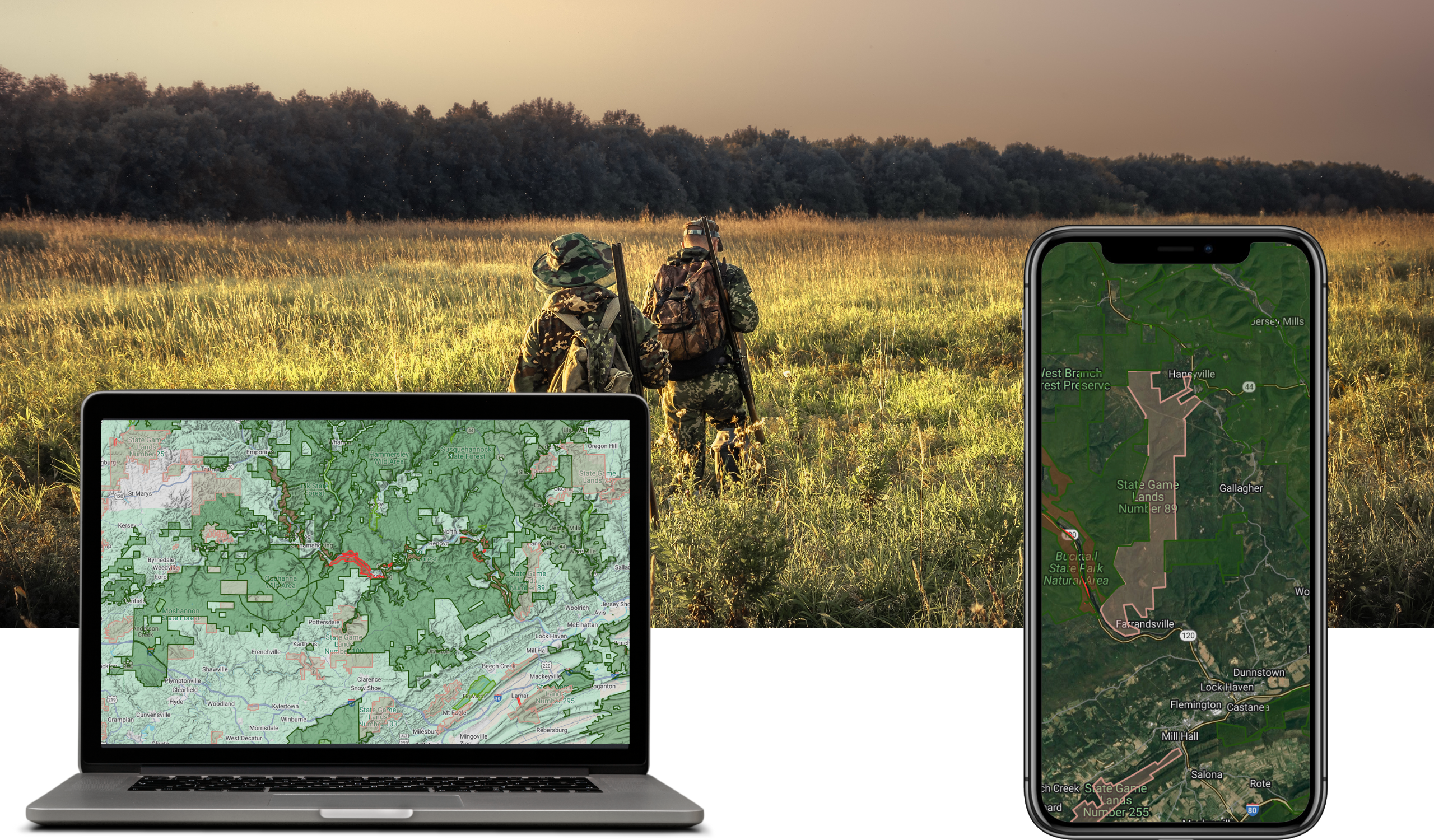
The Hunterizer app helps Idaho hunters quickly see what they can hunt today, season dates, game management units and maps, legal weapons, bag limits and other important regulations. Before heading into the field this fall, Idaho hunters should check their hunt in Hunterizer and also review the latest Idaho Fish and Game CWD information, particularly if hunting in or near one of the mandatory-testing areas.