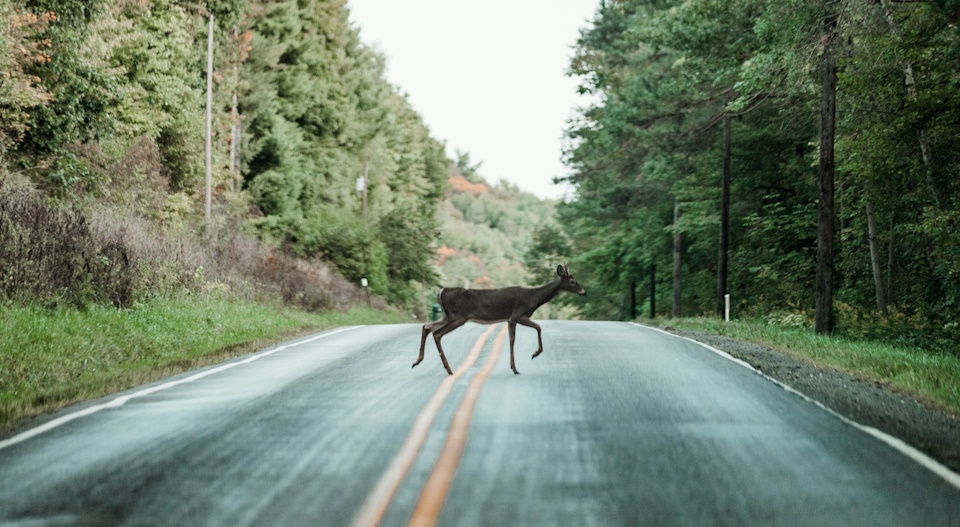
An estimated 44,000 mule deer are killed on California roads annually, accounting for nearly 10% of the state’s deer population. A new UC Davis study reveals that vehicle collisions are a much greater source of deer mortality than legal hunting and highlights the need for better wildlife protection along California’s highways.
A new report from the University of California, Davis, reveals that vehicle collisions are responsible for an estimated 44,000 mule deer deaths annually in California — two to four times the number of deer harvested by hunters. The findings, published November 10, 2026, highlight the significant impact of roads on wildlife populations and raise important questions about conservation priorities in a state where deer populations face multiple challenges.
The 2026 California Roadkill Hotspots Report (https://roadecology.ucdavis.edu/resources/2026-california-roadkill-hotspots-report), prepared by the UC Davis Road Ecology Center, estimates that traffic kills approximately 9.5% of California’s mule deer population every year. Researchers warn that the actual number could be considerably higher because the available information covers only about half of the state’s roads.
Roads Take a Greater Toll Than Hunting
For California hunters, one of the most striking findings is the comparison between vehicle mortality and legal hunting. While deer harvests are carefully regulated through hunting seasons, zone-specific quotas, and license requirements, tens of thousands of deer are killed annually in collisions with cars and trucks.
The report identifies U.S. Highway 50 in western El Dorado County as California’s most significant hotspot for deer-vehicle collisions. Other highways that intersect important deer habitats and migration corridors also present substantial risks, particularly where animals must cross busy roads while moving between seasonal ranges.
The findings demonstrate that wildlife conservation involves much more than regulating hunting harvests. Road mortality, habitat fragmentation, migration barriers, and other environmental pressures all influence the long-term health of California’s deer populations.
Mountain Lions Also Suffer Heavy Losses
Deer are not the only large mammals affected. UC Davis researchers estimate that at least 780 mountain lions are killed by vehicles annually, representing approximately 18% of California’s estimated mountain lion population.
Mountain lion collision hotspots include portions of Interstates 280 and 15, State Routes 62 and 118, and U.S. Highway 101. Although collisions occur throughout California, researchers note that the impact can be particularly severe in Southern California and the Central Coast, where relatively small and isolated mountain lion populations are especially vulnerable to additional mortality.
The report draws on the California Roadkill Observation System and California Highway Patrol records, including more than 234,000 wildlife carcass observations and over 64,000 traffic incidents involving wildlife recorded between 2015 and 2025.
Wildlife Crossings Alone Are Not Enough
California has invested in major wildlife crossing projects, including the Wallis Annenberg Wildlife Crossing over Highway 101 in Southern California and a recently completed overcrossing on State Route 97 in Siskiyou County. These projects are designed to reconnect wildlife habitats separated by highways and provide safer routes for animal movement.
However, UC Davis researchers emphasize that crossings alone are insufficient to significantly reduce wildlife mortality. Animals frequently attempt to cross highways outside designated structures, making extensive wildlife fencing an essential part of effective collision prevention.
The researchers recommend prioritizing fencing along known collision hotspots and near existing underpasses and drainage structures that animals already use. Combined with appropriately located crossings, these measures could help reduce unnecessary wildlife deaths while preserving movement between seasonal habitats.
For California’s mule deer, protecting migration corridors is particularly important. Deer often travel between summer and winter ranges, and highways cutting through these routes can create dangerous obstacles that affect both individual survival and population connectivity.
What This Means for California Hunters
The new findings offer an important perspective on deer management. Although hunting regulations determine where, when, and how hunters can legally harvest deer, vehicle collisions represent a substantial source of mortality outside the hunting system.
Reducing roadkill could help conserve deer populations, particularly in areas where migration routes intersect major transportation corridors. Better habitat connectivity and targeted highway improvements may also benefit other game species, including elk, while improving safety for motorists.
Hunters can contribute to conservation by supporting wildlife habitat protection, reporting wildlife-vehicle collisions, and participating in public discussions about transportation projects that affect important wildlife corridors.
The complete report and supporting information are available through the UC Davis Road Ecology Center. An interactive California wildlife-vehicle collision hotspot map also allows the public to explore areas where wildlife collisions are most frequently recorded.
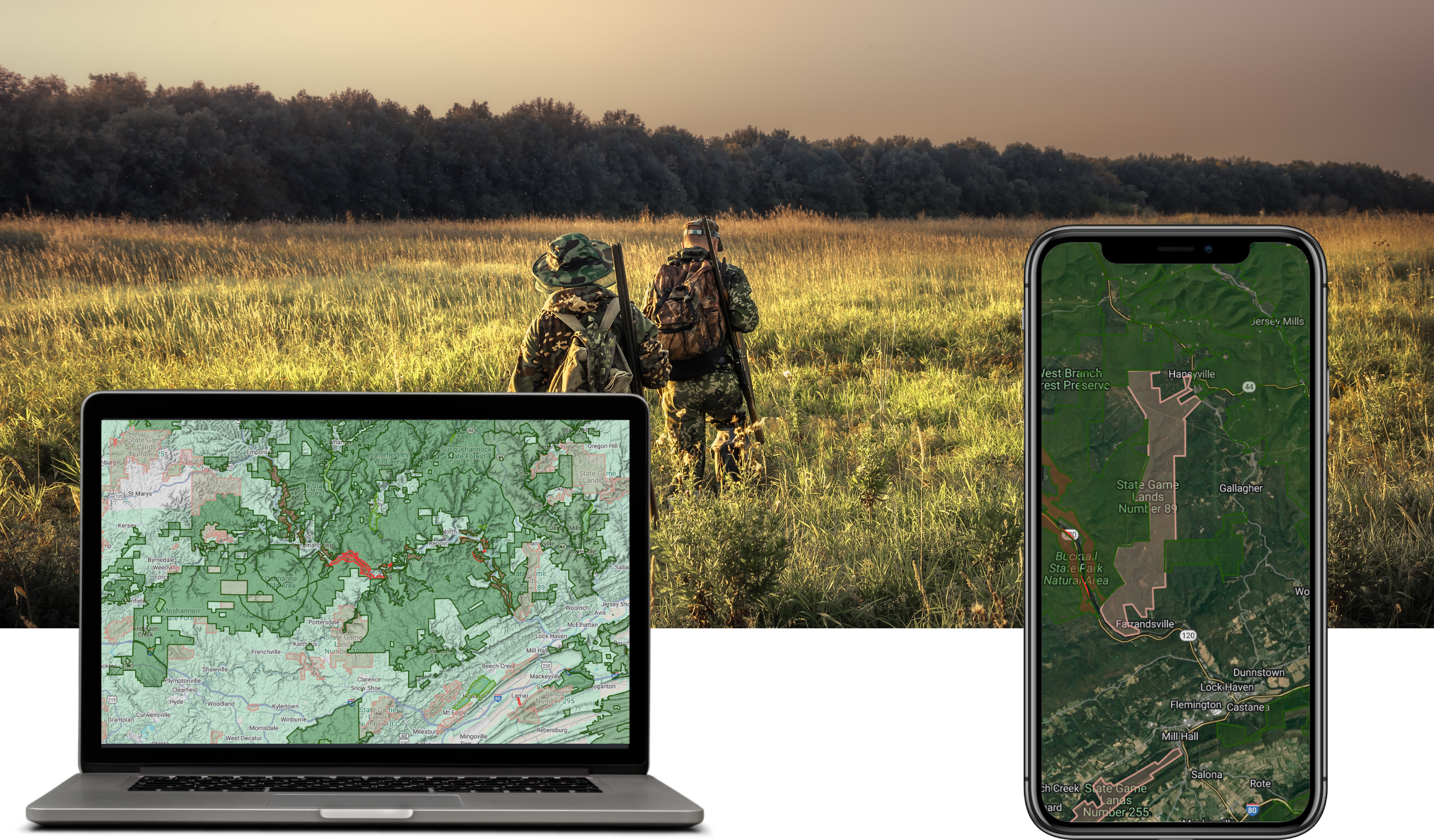
For hunters planning their next California deer hunt, Hunterizer provides location-specific hunting regulations, season dates, deer zone maps, legal hunting methods, bag limits, and license requirements. The app also helps hunters identify available hunting opportunities across California, making it easier to plan a hunt while staying informed about the regulations designed to support sustainable wildlife management.