Washington’s 2026–2027 duck hunting season is underway, with opportunities continuing through January 31. From the wetlands of Puget Sound and Skagit Valley to the Columbia Basin and lower Columbia River, hunters can access numerous public hunting areas, including state wildlife areas and federal refuges, although access rules and reservation requirements vary.
Washington’s general duck hunting season opened October 17, 2026, and after a brief two-day closure, resumed October 28. The season continues through January 31, 2027, giving hunters more than three months to pursue ducks across the state.
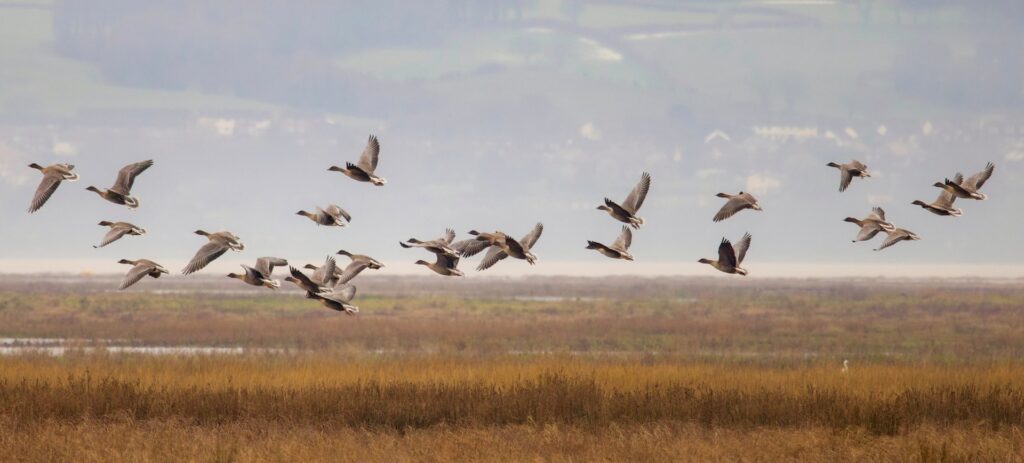
Washington lies along the Pacific Flyway, one of North America’s major migratory bird corridors. Each fall, millions of waterfowl move south from Alaska and Canada, joining resident birds in Washington’s wetlands, rivers, agricultural fields and coastal bays.
According to the Washington Department of Fish and Wildlife (WDFW), hunters have harvested an average of approximately 430,000 ducks and 72,000 geese annually in recent years. Hunting opportunities vary considerably by region, with some areas attracting large numbers of migrating birds while others support substantial resident populations.
Washington’s 2026–2027 Waterfowl Seasons
The general duck season runs statewide from October 17–25 and October 28–January 31. Scaup hunting is closed through November 6 and opens November 7, while goose hunting dates vary by Goose Management Area and species.
Washington’s general duck daily bag limit is seven ducks, with additional restrictions for certain species. Hunters must identify birds carefully because limits for mallards, pintails, canvasbacks, scaup and other species can differ.
Hunters need the appropriate Washington hunting license, state migratory bird authorization, federal duck stamp when required, and compliance with federal HIP requirements. Only approved nontoxic shot may be used for waterfowl hunting.
Where to Hunt Ducks on Public Lands in Washington
Washington offers extensive public hunting opportunities through WDFW wildlife areas, National Wildlife Refuges and other publicly managed lands. However, not every wetland is open to hunting, and some locations have designated blinds, limited hunting days or special registration requirements.
Skagit Valley and North Puget Sound
The Skagit Valley is among Washington’s most productive waterfowl hunting regions. Agricultural fields, tidal marshes and estuaries attract mallards, American wigeon, northern pintails, green-winged teal and several goose species.
The Skagit Wildlife Area offers multiple hunting units, including the Samish River and South Padilla Bay areas. Some locations require hunters to register through WDFW’s Register to Hunt system and use designated parking areas or hunting zones.
Hunters should review the Skagit Wildlife Area Waterfowl Hunting Guide before visiting, since access conditions differ between units.
Columbia Basin and Potholes Reservoir
Eastern Washington’s Columbia Basin is another major waterfowl destination, especially around Moses Lake, Potholes Reservoir and surrounding agricultural lands.
Grant County traditionally leads Washington in duck harvest, averaging nearly 70,000 ducks annually. The region offers extensive habitat for mallards, gadwalls, teal, wigeon and diving ducks.
The Columbia Basin Wildlife Area includes numerous hunting locations, but several are regulated access areas. North Potholes, Frenchman Ponds and Winchester Ponds have specific parking, registration or hunting-day restrictions.
Hunters can find both walk-in and boat-access opportunities. Shallow marshes may be accessible with waders, while larger lakes and reservoirs often require boats to reach productive hunting locations safely.
Ridgefield National Wildlife Refuge
Located near Vancouver in southwestern Washington, Ridgefield National Wildlife Refuge provides a managed waterfowl hunting program with up to 21 designated blinds across approximately 760 acres.
Hunters can participate in a preseason reservation lottery, but reservations are not mandatory for every hunt. Standby hunters may obtain available blinds after reservation holders check in.
The refuge supports mallards, northern shovelers, green-winged teal, wigeon, gadwall and pintails. Hunting takes place under refuge-specific rules, including designated hunting locations and check-in procedures.
Nisqually River Delta
The Billy Frank Jr. Nisqually National Wildlife Refuge, near Olympia, offers waterfowl hunting in designated portions of the Nisqually River Delta.
Approximately 1,155 acres are designated for hunting, but access is by boat only. Hunters cannot walk into the marsh from the refuge’s public trails.
The nearest boat launch is at Luhr’s Landing, where a Discover Pass is required. Hunters should pay particular attention to tides, weather and navigational conditions when planning a trip.
McNary National Wildlife Refuge
Near the Tri-Cities, McNary National Wildlife Refuge provides waterfowl hunting opportunities along the Columbia River and surrounding wetlands.
The Burbank Slough Fee Hunt Unit operates through a managed hunting program, including reservations selected through a preseason lottery. Other refuge units, including Two Rivers, Peninsula and Wallula, offer first-come, first-served opportunities during authorized hunting seasons.
McNary can be particularly productive later in the season when cold weather moves additional ducks and geese into the Columbia River Basin.
Do You Need a Reservation to Hunt?
Unlike California’s statewide Type A and Type B wildlife-area access system, Washington manages public waterfowl hunting access through individual wildlife-area and refuge rules.
Many public hunting areas allow hunters to arrive without advance reservations, while others require registration, designated parking or assigned hunting locations. Certain federal refuges use reservation lotteries or standby systems.
At Ridgefield, for example, hunters without reservations may obtain available blinds through the standby process. At McNary, some units operate on a first-come, first-served basis, while others require participation in a managed hunt program.
Hunters arriving later in the day may still find opportunities at areas permitting unrestricted access during legal hunting hours, but designated blinds and controlled-access sites can have different procedures.
When Is the Best Waterfowl Hunting?
Early-season hunting in October often focuses on locally produced birds and early migrants. As temperatures decline across British Columbia and Alaska, additional ducks and geese move into Washington.
November and December can bring improved hunting as migration intensifies, particularly following cold fronts and storms. In western Washington, rainfall helps fill seasonal wetlands, while eastern Washington hunters often benefit when freezing temperatures concentrate birds on remaining open water.
Late December and January can also provide excellent opportunities, especially in coastal areas and along major rivers where open water remains available.
Actual hunting success depends on weather, water levels, migration timing and hunting pressure, making scouting an important part of planning.
Hunterizer Helps Identify Ducks and Navigate Washington Hunting Regulations
Washington supports a wide variety of ducks and geese, and identifying them correctly is essential because species-specific bag limits and season dates can vary. Hunters may encounter mallards, pintails, wigeon, teal, gadwall, shovelers, scaup, buffleheads and numerous other species.
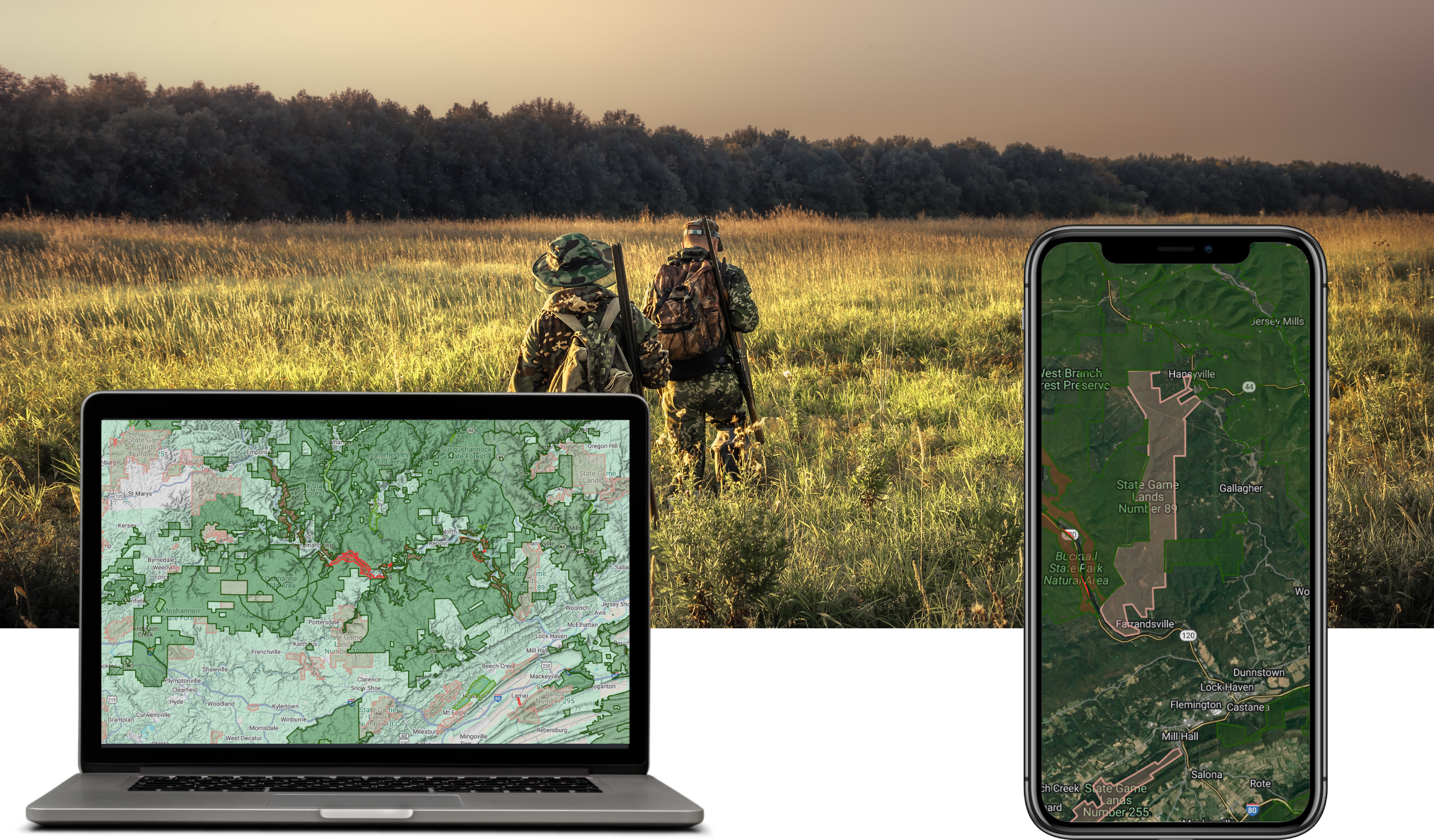
The Hunterizer app includes pictures of duck species, showing both males and females to help hunters identify birds in the field. This can be especially useful when identifying hens and species with similar appearances.
Hunterizer also helps hunters determine what they can legally hunt at their location on a specific date, providing hunting season dates, zone maps, legal weapons, bag limits, shooting hours, license requirements and other important regulations.
Whether hunting ducks in Skagit Valley, geese in the Columbia Basin or exploring new public hunting areas, Hunterizer can help simplify planning and keep hunters informed throughout Washington’s 2026–2027 hunting season.