Michigan has acquired nearly 10,000 acres of forests, wetlands, and wildlife habitat at the tip of the Keweenaw Peninsula in a major public land conservation effort. The newly protected property will become part of Fort Wilkins Historic State Park, with hunting officially permitted following a recent decision by the Michigan Natural Resources Commission.
The Michigan Department of Natural Resources (DNR) announced on November 6, 2026, that it had completed the acquisition of approximately 10,000 acres in Keweenaw County from The Nature Conservancy. The $11.2 million purchase, finalized November 5, permanently places a large stretch of Michigan’s northernmost peninsula under public ownership, protecting its natural resources and preserving recreational opportunities for future generations.
Known as Keweenaw Point State Lands, the property features extensive forests, wetlands, inland lakes, freshwater streams, and important cultural and historical sites. The land borders Fort Wilkins Historic State Park and will be managed as part of the park, creating a larger connected landscape for wildlife conservation and outdoor recreation.
Hunting Access Officially Protected
One of the most significant aspects of the acquisition for Michigan hunters is the preservation of hunting opportunities on the property. On October 14, 2026, the Michigan Natural Resources Commission approved an amendment allowing hunting and trapping on designated lands within Fort Wilkins Historic State Park, including the newly acquired Keweenaw Point property.
The decision ensures that hunting remains part of the area’s recreational traditions despite the transition to state park management. The property provides extensive forest habitat for wildlife, including white-tailed deer, black bears, and numerous small game species. The broader Keweenaw landscape also supports moose and gray wolves, although these species are not open to general hunting in Michigan.
Hunters must follow applicable state seasons, licensing requirements, and designated hunting boundaries. Restrictions remain in certain portions of the existing state park, so visitors should review the official hunting regulations and property maps before heading into the field.
Protecting the Keweenaw Heartlands
The acquisition represents an important milestone in a conservation effort that began in 2021, when more than 32,000 acres of privately owned land, collectively known as the Keweenaw Heartlands, were placed on the market.
After more than a century of corporate ownership, the potential sale raised concerns about land fragmentation, private development, and the possible loss of recreational access. The Nature Conservancy purchased the property in 2022 as an interim owner, allowing time to develop a long-term conservation strategy with state agencies, local communities, and recreational stakeholders.
Funding for the state’s purchase came from three sources: the federal Land and Water Conservation Fund, the Michigan Natural Resources Trust Fund, and the Land Exchange Facilitation Fund.
Approximately 22,000 additional acres remain under The Nature Conservancy’s ownership while efforts continue to secure their eventual transfer into public ownership. These lands are expected to play an important role in maintaining a connected landscape for wildlife, recreation, and sustainable forest management.
What Changes for Hunters and Outdoor Visitors?
While hunting access will continue, the property’s designation as part of Fort Wilkins Historic State Park introduces several important requirements. Existing designated motorized trails will remain open, and access along state forest roads, including routes toward High Rock Bay, will continue without interruption. However, visitors are now required to have a Michigan Recreation Passport for access to the newly acquired 10,000 acres.
Camping and campfires on state park-managed property will be permitted only in designated locations. Dispersed camping remains available on qualifying state forest lands managed by the DNR Forest Resources Division, including the nearby Copper Country State Forest. Hunters planning overnight trips should pay particular attention to the distinction between state park and state forest regulations.
Future Wildlife and Forest Management
The Michigan DNR plans to develop a long-term management strategy for Keweenaw Point State Lands, balancing public recreation with wildlife habitat conservation, ecological restoration, and protection of culturally significant resources.
Forest management activities, potentially including selective timber harvesting, may be undertaken when they support habitat improvement, forest health, or public safety. The DNR also intends to incorporate public feedback into the property’s general management plan, which will guide decisions over the coming decades.
For hunters, the acquisition provides long-term security for access to a substantial area of Upper Peninsula wilderness. Rather than introducing an entirely new hunting destination, the purchase ensures that land historically used for outdoor recreation remains available under public management.
Plan Your Michigan Hunts With Hunterizer
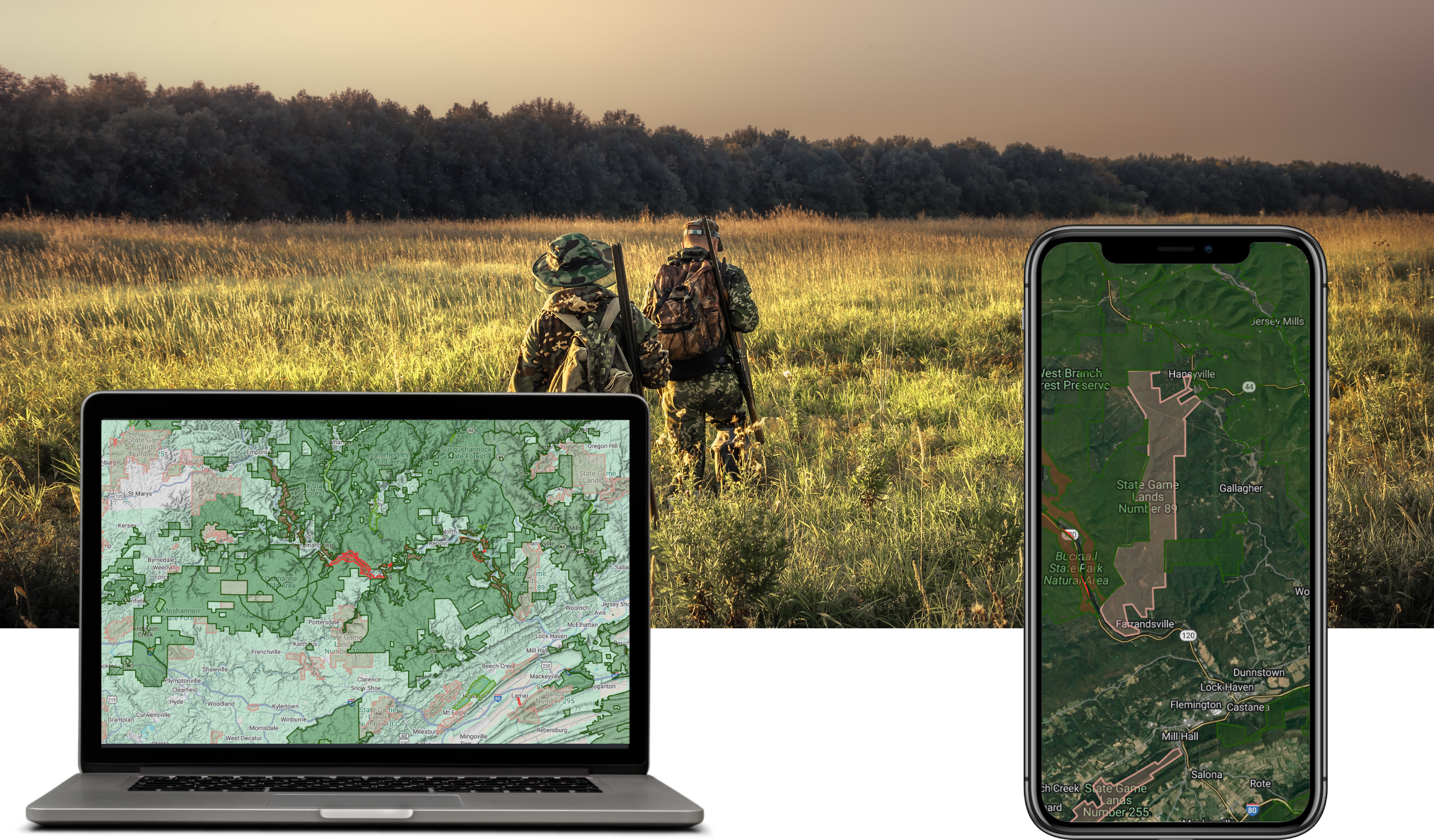
Whether you’re pursuing white-tailed deer, black bears, waterfowl, or small game in Michigan, the Hunterizer app makes planning your next hunt easier. Hunterizer provides hunting season dates, zone maps, legal hunting methods, bag limits, licensing requirements, and other essential regulations in one convenient place. Explore Michigan’s hunting opportunities, check what species are currently in season, and stay informed about the rules before heading into the field.