CDFW releases early-season harvest reports from northeastern California, while favorable wetland conditions and local duck production offer encouraging signs ahead of the October 24 opener across most of the state.
California’s 2026–27 waterfowl season is underway, and the California Department of Fish and Wildlife (CDFW) has released its first public hunting-area harvest reports of the season. The reports cover October 3–4 and October 7–11, offering hunters an early look at activity in the Northeastern Zone before the much larger opening across the rest of the state.
With most California duck hunting zones scheduled to open October 24, attention is turning to bird numbers, wetland conditions, and the arrival of migrating waterfowl. A new October 16 report from Ducks Unlimited suggests that California could be headed for a better-than-average start, thanks to favorable water availability and strong local production of several important duck species.
Early Hunting Results From Northeastern California
California’s Northeastern Zone opened October 3, giving hunters in that part of the state a three-week head start over most other regions. CDFW published its first two sets of 2026–27 waterfowl harvest reports on October 15, documenting the initial hunting days at state-operated public hunting areas.
These reports provide information on hunter participation and harvest success, allowing hunters to evaluate conditions at individual wildlife areas as the season progresses. Although the reports are now available, the individual harvest totals have not yet been verified for this article, so it is too early to declare opening-weekend success better or worse than last year.
Good Local Production and Early Water Could Help Hunters
There are encouraging signs elsewhere in California. According to Ducks Unlimited’s October 16 migration report, local production of mallards, teal, and gadwalls has been strong in some areas, while early flooding of seasonal wetlands has created favorable habitat for arriving birds.
In the Grassland Ecological Area of the San Joaquin Valley, wetlands began receiving water in September. Northern pintails, shovelers, and green-winged teal were already appearing around the Volta Wildlife Area and nearby private wetlands during late summer.
These conditions could provide good opportunities during the first weeks of the season, particularly where water is available and local birds have established feeding and resting patterns. However, hunting success will still depend heavily on weather, migration timing, and hunting pressure.
Statewide Duck Population Numbers Tell a More Complicated Story
Despite encouraging local conditions, California’s 2026 breeding duck survey showed an overall decline of approximately 10% compared with 2025, with an estimated 435,937 breeding ducks statewide.
Mallards remained the most numerous breeding duck species, at approximately 267,100 birds, while gadwalls declined substantially. Cinnamon teal increased by 8%, providing one of the more positive results from the survey.
These statewide breeding estimates do not necessarily predict the number of ducks hunters will encounter during the fall. California also receives migratory waterfowl from breeding areas farther north, and the timing of those arrivals can dramatically change hunting conditions throughout the season.
Early Results: Which Hunting Areas Are Producing Ducks?
Reports from the Northeastern Zone suggest that hunting success has varied considerably between locations. According to Ducks Unlimited, Butte Valley and Ash Creek wildlife areas have produced encouraging results, with mallards, gadwalls, and teal making up much of the harvest.
Conditions at Lower Klamath and Tule Lake National Wildlife Refuges have been more mixed, with reported averages below three birds per hunter and gadwalls accounting for a substantial portion of the harvest. These early differences illustrate why choosing the right hunting area can be just as important as selecting the right date.
Most of California Opens October 23–24
The Colorado River Zone opens October 23, followed by the Balance of State, Southern San Joaquin Valley, and Southern California zones on October 24. The regular duck season in these zones runs through January 31, 2027.
California’s general duck bag limit remains seven birds per day, with species-specific restrictions. Hunters may take no more than two female mallards, three pintails, two canvasbacks, two redheads, and two scaup within their daily bag. Scaup also have separate season dates in several zones, so hunters should check the applicable regulations before heading into the field.
Plan Your Duck Hunt With Hunterizer
With different waterfowl zones, opening dates, species restrictions, and shooting hours, California hunters need to know exactly which rules apply where they hunt.
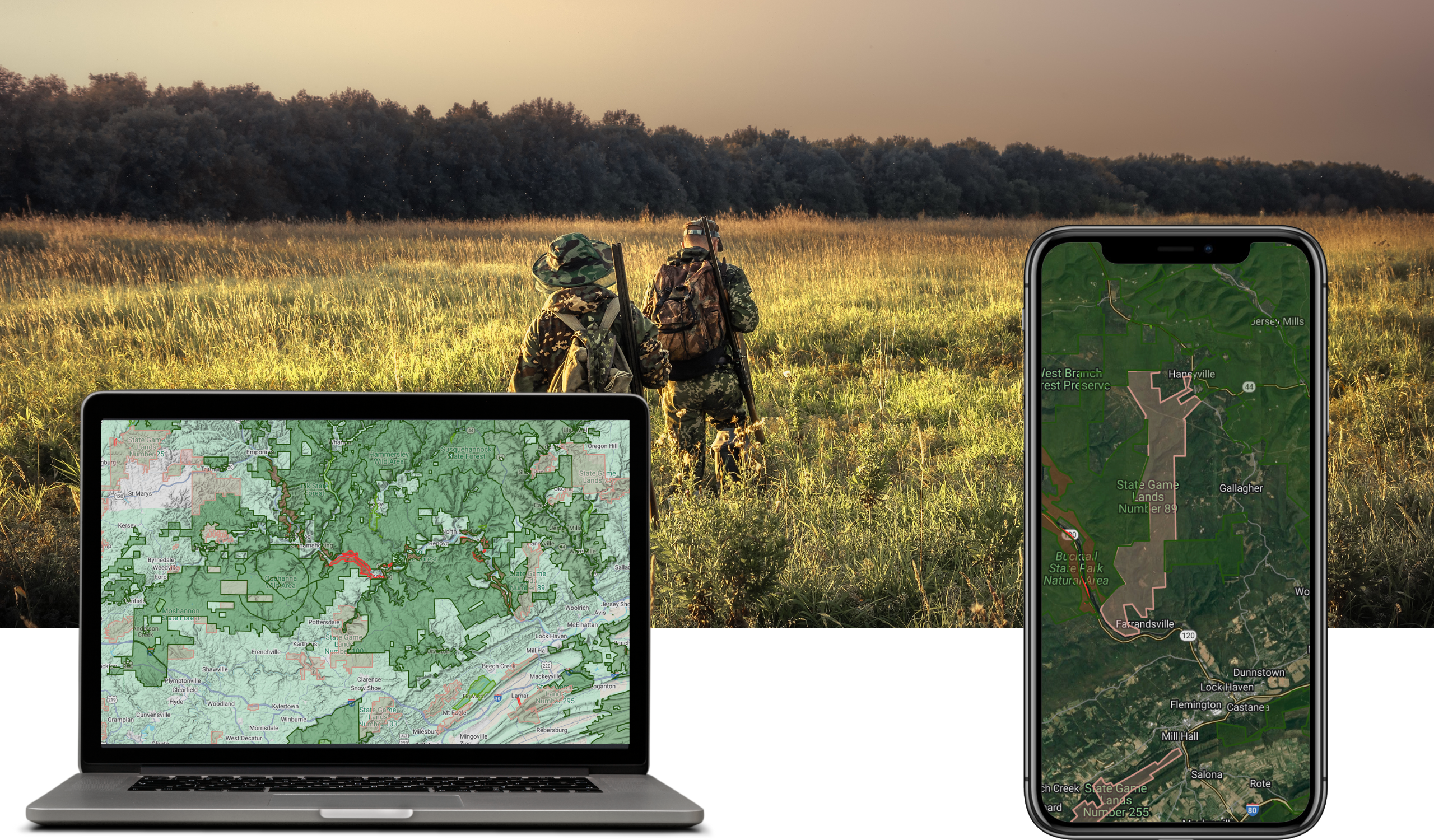
The Hunterizer app helps hunters identify open seasons at their location, check hunting zone boundaries, review daily bag limits and shooting hours, and understand important hunting regulations. Hunterizer also includes pictures of all duck species found in California, showing both males and females to help hunters distinguish between species in the field.
Whether you’re hunting the Sacramento Valley, Suisun Marsh, San Joaquin Valley, or Southern California wetlands, Hunterizer can help you prepare for the season and stay informed about the rules.
Hunters can review the latest reports directly through CDFW’s Waterfowl Hunt Results database:
https://www.nrm.dfg.ca.gov/documents/ContextDocs.aspx?cat=WLB-WaterfowlHunting