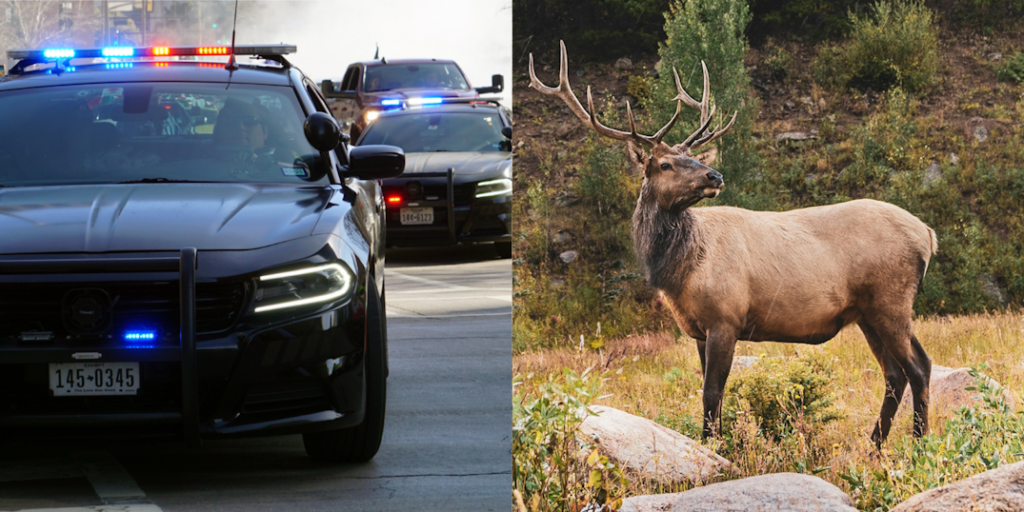
Michigan’s November 15 firearm deer season opener took an unexpected turn when two hunters in separate counties mistakenly shot elk instead of white-tailed deer. Both hunters voluntarily reported the incidents to authorities, but prosecutors will now decide whether to pursue charges, potentially resulting in fines and other penalties.
Two Michigan hunters are under investigation after accidentally shooting elk while hunting deer on Sunday, November 15, 2026, the opening day of Michigan’s regular firearm deer season. The incidents occurred independently in Otsego and Montmorency counties in the northern Lower Peninsula, where Michigan’s wild elk population is concentrated.
According to the Michigan Department of Natural Resources (DNR), one hunter shot a calf elk in Montmorency County, while another killed a mature bull elk with six points on each antler in Otsego County. Both hunters reportedly mistook the elk for deer and subsequently turned themselves in to conservation officers.
DNR officials are working with prosecutors in both counties to determine whether criminal charges are warranted. Gaylord DNR Lt. Jim Gorno confirmed that the shootings were mistakes but emphasized the importance of correctly identifying wildlife before taking a shot.
According to reporting by the USA TODAY Network, the hunters could also face reimbursement assessments of up to $1,500 for the illegally killed elk. The exact penalties, if any, will depend on the findings of the investigations and decisions by prosecutors.
Michigan’s Elk Population and Hunting Regulations
Michigan is one of the few eastern states with an established wild elk population. The state’s herd, estimated at approximately 1,150 animals, occupies portions of the northern Lower Peninsula, particularly around the Pigeon River Country State Forest and surrounding counties.
Unlike deer hunting, which is widely accessible to licensed Michigan hunters, elk hunting is tightly controlled through a limited-license lottery system. In 2026, Michigan established two elk hunting periods: September 23–October 4 and December 1–15.
The November 15 deer season opener fell between those two elk hunting periods. More importantly, a deer hunting license does not authorize a hunter to harvest elk, regardless of whether an elk season is open.
Why Proper Animal Identification Matters
Although deer and elk belong to the same biological family, mature elk are considerably larger than white-tailed deer. Adult bull elk also have distinctive antlers, a darker neck and head, and a lighter-colored rump. However, identifying younger animals at a distance or in poor lighting can be more challenging.
The two incidents highlight one of the most fundamental responsibilities of every hunter: positively identifying the target before firing. Hunters in areas where multiple big-game species coexist must be especially careful, as mistakenly harvesting an animal outside the authorized species or season can lead to serious legal consequences.
Michigan’s regular firearm deer season continues through November 30, giving hunters throughout the state additional opportunities to pursue white-tailed deer.
Try Hunterizer app for Michigan
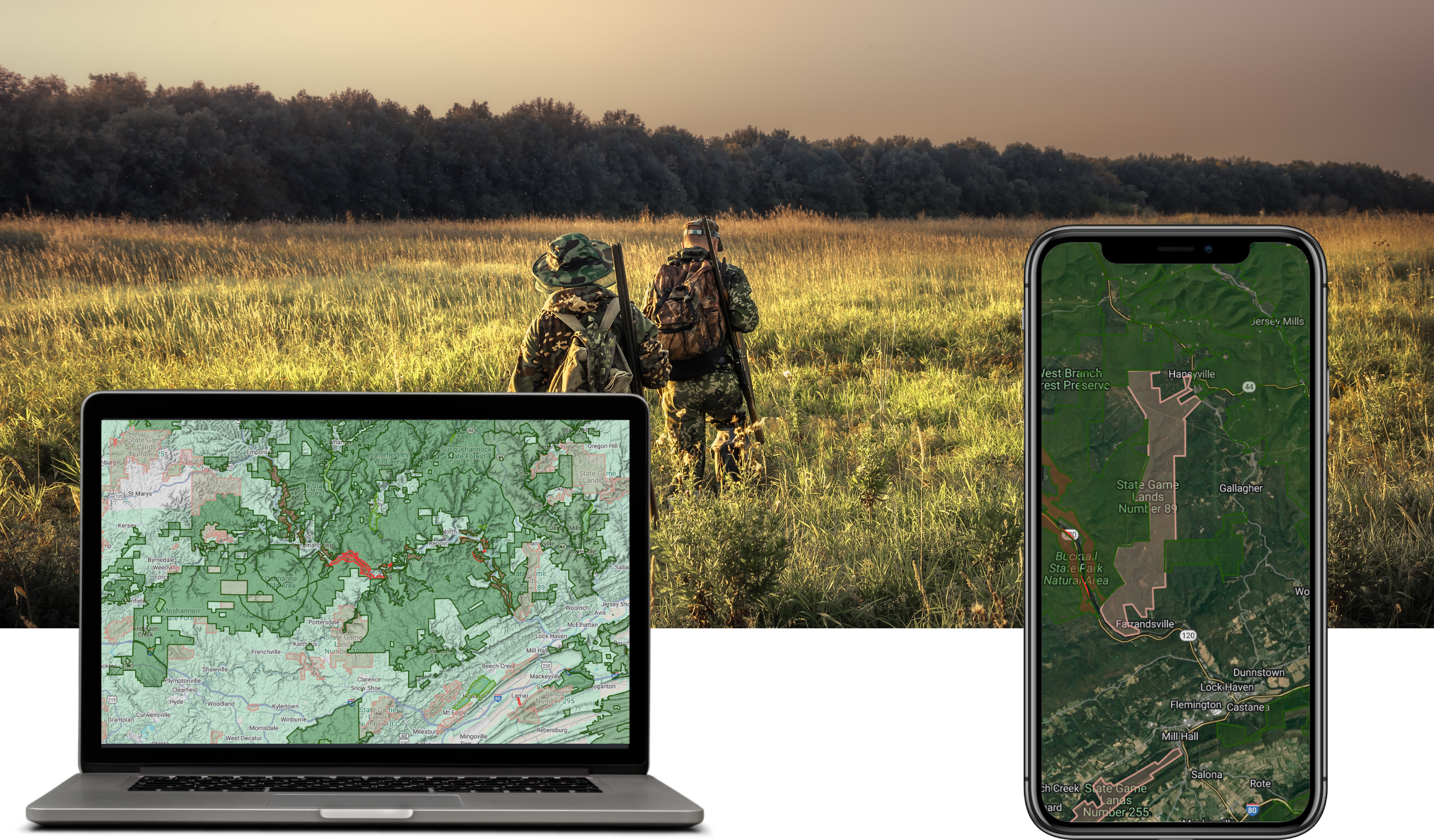
Hunters can review the latest season dates, hunting zones, legal weapons, bag limits, and license requirements using the Hunterizer app. Hunterizer helps hunters answer the essential question, “What can I legally hunt at this location, on this date?” With Michigan regulations and interactive hunting zone maps available in the app, hunters can better prepare for their hunts and avoid costly mistakes.