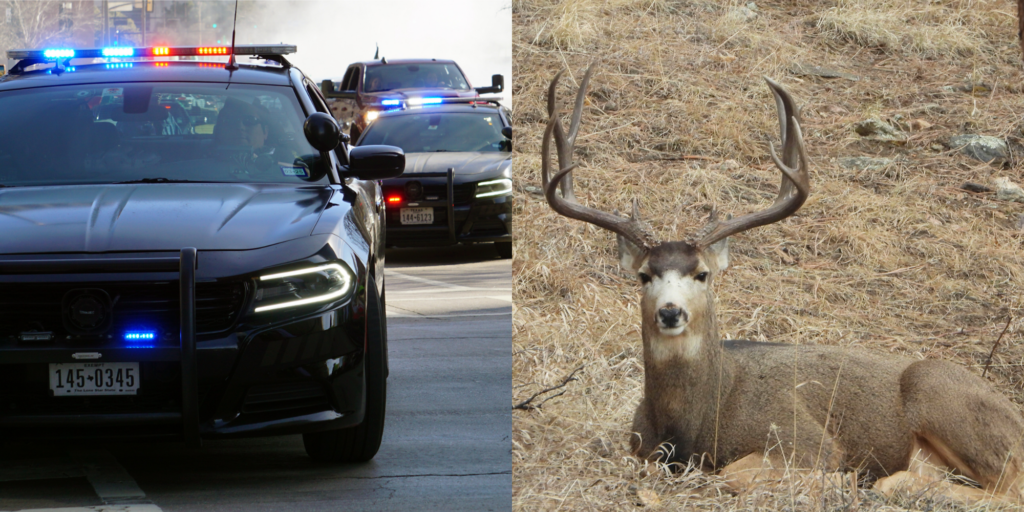
From robotic deer and elk to artificial turkeys and even bears, wildlife officers across the United States use lifelike animal decoys to catch illegal hunters in the act. A November 2026 reminder from Idaho Fish and Game highlights an enforcement tactic that has been used for decades, including in several states covered by Hunterizer.
The Animal That Doesn’t Run Away
Imagine driving down a remote forest road and spotting a magnificent bull elk standing motionless near the timber. Its antlers look impressive, its body appears perfectly realistic, and it may even turn its head or twitch its ears. But what looks like a trophy animal could actually be a remotely controlled decoy, with conservation officers watching from a concealed location.
On November 12, 2026, Idaho Fish and Game reminded hunters that its officers regularly deploy artificial simulated animals (ASAs) to investigate illegal hunting activity. These realistic replicas help officers catch individuals who shoot from roads or vehicles, hunt after legal shooting hours, trespass, or otherwise violate wildlife regulations. In Idaho, shooting one of these decoys can result in fines of up to $1,000, six months in jail, hunting license revocation, and a $50 restitution assessment for decoy maintenance.
Although Idaho’s announcement brought renewed attention to the practice, artificial wildlife decoys are far from a new invention. Wildlife enforcement agencies have used them since the late 1980s, and Idaho Fish and Game previously reported that more than 48 states and several Canadian provinces had adopted the technique.
Idaho Fish and Game
How Robotic Wildlife Decoys Work
Modern enforcement decoys can be surprisingly sophisticated. Some are constructed using real animal hides, glass eyes, taxidermy forms, and battery-powered mechanisms that allow officers to move the head, ears, or tail remotely. Species represented include deer, elk, moose, pronghorn, turkeys, bears, coyotes, and other wildlife.
Technology has continued to advance. Some newer decoys even produce heat signatures designed to resemble living animals when viewed through thermal-imaging equipment. Depending on the model, a sophisticated robotic animal can cost several thousand dollars, but it can be repaired and reused after being struck by bullets or arrows.
Officers generally position the decoys in areas associated with previous poaching complaints, particularly roadsides, private-property boundaries, or locations where illegal nighttime hunting has occurred. Enforcement teams observe the scene and document violations, while taking precautions to protect officers, motorists, and nearby residents.
The objective is not to trick lawful hunters into committing crimes, but to provide an opportunity to identify individuals willing to disregard existing hunting restrictions. Merely seeing or approaching a decoy does not automatically constitute a wildlife violation; the conduct of the individual determines whether enforcement action is appropriate.
From California to New York: Decoys in Action
Documented operations in Hunterizer states demonstrate just how widely this enforcement method is used.
New York: A Robotic Turkey Catches a Road Hunter in 2026
One of the most recent examples occurred in Oswego County, New York, on May 10, 2026. Environmental Conservation Officers deployed a robotic turkey near Williamstown while investigating illegal road hunting. A driver spotted the artificial bird, turned around, stopped in the roadway, and fired a shotgun from his vehicle.
According to the New York Department of Environmental Conservation, the driver attempted to flee when officers revealed themselves, but additional officers intercepted him. Investigators also discovered that he was driving with a suspended license and was prohibited from possessing firearms because of a prior felony conviction. Multiple wildlife and criminal charges followed, with the case still pending when DEC published its report on June 22.
Pennsylvania: Deer Decoys Bring Thousands of Dollars in Fines
Pennsylvania Game Commission wardens also regularly conduct decoy operations. In one case on the Allegheny National Forest in Forest County, several vehicles passed an artificial deer. Occupants of two vehicles stopped, approached the decoy, and fired from the road.
The operation resulted in six citations and several warnings against three individuals. The commission reported that two defendants had pleaded guilty, with fines ranging from hundreds to more than a thousand dollars. A third case was awaiting a hearing at the time of the report.
Pennsylvania’s efforts are substantial. According to reporting published in 2025, Pennsylvania wildlife officers were conducting approximately 10–15 decoy operations annually, generating roughly 10–30 charges each year.
Texas: A Fake Buck Draws Gunfire at 1 A.M.
Texas Game Wardens have documented several memorable decoy operations. In October 2019, the Texas Parks and Wildlife Department described an incident in Sabine County where officers placed a realistic buck in an area known for illegal night hunting.
At approximately 1 a.m., a truck approached and its occupants spotted the artificial animal. After turning around, the driver fired at the decoy, striking it in the neck. When the occupants realized it was not a living deer, they fled, throwing beer cans from the vehicle. Wardens intercepted the truck, arrested the driver, and issued citations to passengers. Charges included hunting from a vehicle, nighttime hunting, and hunting with artificial light.
Texas officers have also used radio-controlled deer decoys with moving heads to investigate reports of shooting from public roads and nighttime poaching.
Michigan: Artificial Deer, Turkeys, and Even Fish
Michigan’s Department of Natural Resources has described an extensive assortment of enforcement decoys, ranging from taxidermied birds and robotic deer or turkeys to artificial fish that move with stream currents.
In a 2019 agency feature, conservation officers explained that these operations are frequently motivated by reports from landowners about trespassing, spotlighting, or shooting onto private property. Michigan officials also described a three-officer approach, with separate personnel assigned to observe the decoy, contact the suspect, and provide vehicle support.
Montana: Everything from Elk to Grizzly Bears
Montana Fish, Wildlife & Parks has used artificial wildlife representing deer, elk, pronghorn, birds, furbearers, and even grizzly bears. The state’s operations are designed around specific enforcement concerns rather than the simple presence of hunters in an area.
Montana also explicitly addresses simulated wildlife in its hunting regulations. Under MCA 87-6-217, discharging a firearm or other hunting implement at a simulated wildlife decoy in violation of applicable hunting laws or regulations is unlawful. The provision makes clear that an artificial target does not necessarily protect a violator from prosecution merely because no living animal was injured.
California: Robotic Blacktail Deer Along Northern California Roads
California wildlife officers have employed robotic black-tailed deer in northern California to investigate suspected illegal hunting. In a documented example near Eureka, officers used a realistic buck constructed with the hide and antlers of an animal killed on a highway.
Officers explained that the decoy needed to resemble the wildlife naturally present in the area. The artificial buck could turn its head and twitch its ears, making it convincing to a passing motorist. Such operations were typically arranged following reports of nighttime gunfire or trespassing rather than at randomly selected locations.
Washington: Robotic Deer, Elk, and Bears
Washington Department of Fish and Wildlife officers have also used animatronic wildlife to catch poachers. A 2018 report described the agency’s use of robotic deer, elk, and bear decoys, including models covered with real hides that could move their heads, legs, or tails.
Officers used these artificial animals to investigate illegal spotlighting and road hunting, particularly where animals could be targeted after dark. The decoys allowed officers to observe and document violations without exposing living wildlife to gunfire.
FOX 13 News Utah (KSTU)
Wisconsin’s Surprising Role in the Robotic Wildlife Industry
Wisconsin is not only connected to wildlife decoy enforcement through its hunting traditions. It is also home to one of the best-known manufacturers of robotic wildlife decoys.
Brian Wolslegel, a taxidermist based in Mosinee, operates Custom Robotic Wildlife, producing lifelike mechanical animals for conservation agencies around the country. His creations include models capable of movement and even generating heat to fool thermal-imaging equipment.
The business illustrates how wildlife enforcement has developed into a specialized technological field. Rather than relying only on conventional patrols and eyewitness reports, conservation agencies can now deploy increasingly realistic artificial animals to document violations as they happen.
How Widespread Is the Practice?
Decoy enforcement is not limited to these states. In Wyoming, for example, officers conducted two deer-decoy operations near the Idaho border in October 2015. Of 13 vehicles passing the setup, occupants of four fired at the decoy. Officers issued four citations and five warnings, totaling $3,160 in fines.
In Oregon, State Police officers have also used robotic deer to investigate shooting before legal hours and illegal roadside hunting. A 2023 report documented that Oregon’s robotic deer decoys were taking more than 80 bullet strikes annually, demonstrating how frequently these artificial animals can become targets.
Jefferson Public Radio
Although not every state publicly reports its decoy operations, these cases demonstrate that artificial wildlife is a well-established enforcement tool rather than an unusual Idaho-specific tactic. Documented use spans western elk country, eastern whitetail habitat, and southern turkey hunting areas.
What Hunters Should Know
The fact that a target turns out to be artificial does not automatically eliminate criminal liability. Depending on the state and circumstances, firing at a decoy can expose a hunter to charges involving closed seasons, unlawful shooting hours, road hunting, trespassing, prohibited equipment, or other hunting violations.
However, the penalties and specific legal provisions vary considerably among states. Hunters should never assume that rules governing roads, vehicle use, artificial lights, or legal shooting hours are identical across state lines. The safest approach is to identify the target, verify the applicable hunting regulations, and ensure that every shot is lawful and safe before pulling the trigger.
For the overwhelming majority of hunters who follow wildlife regulations, artificial decoys are simply another tool used by conservation officers to protect wildlife resources and maintain fair hunting opportunities.
Stay Legal with Hunterizer
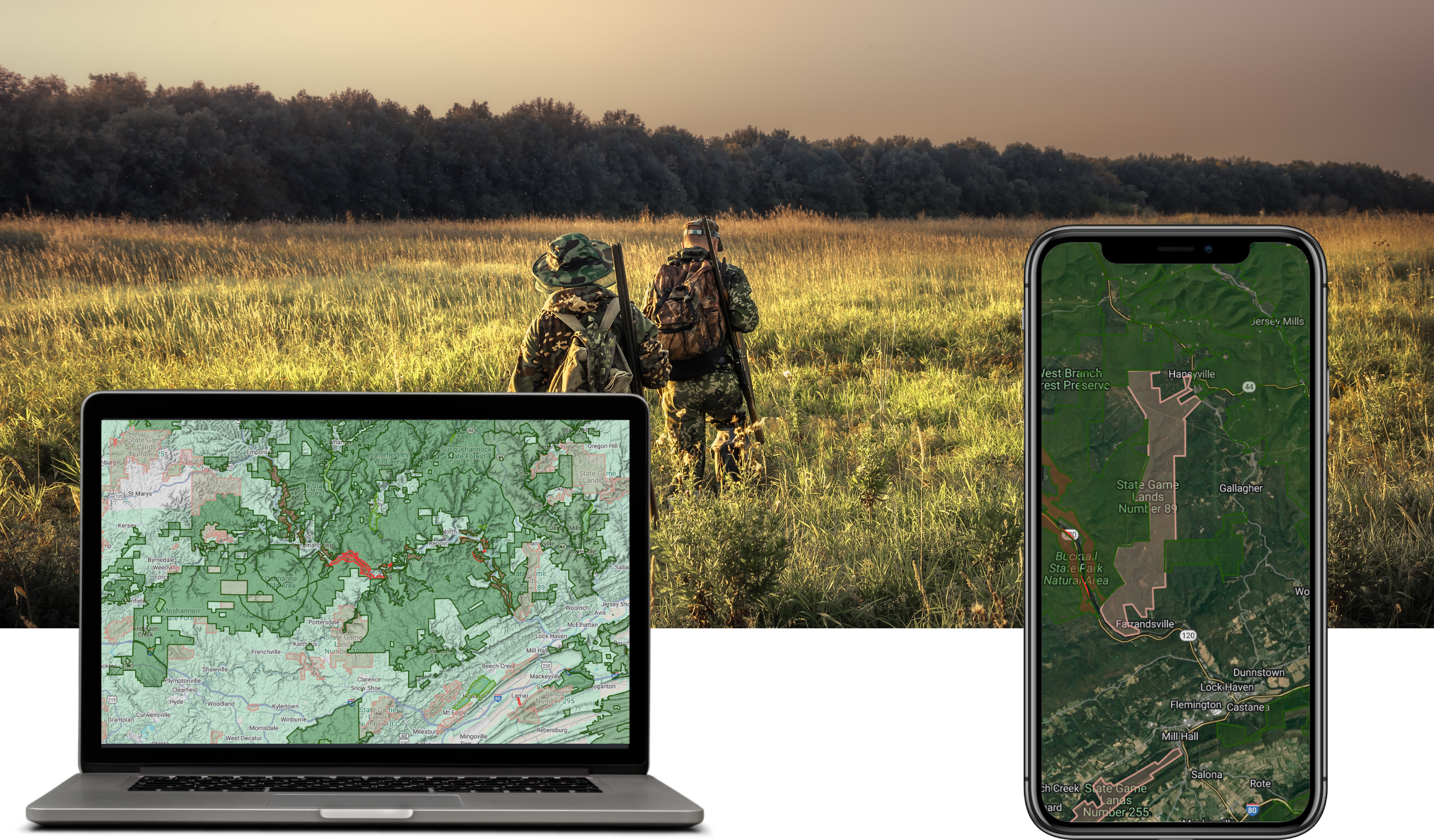
Whether you are hunting deer in Pennsylvania, elk in Idaho, turkeys in New York, or other game species across the United States, understanding local hunting regulations is essential. The Hunterizer app helps hunters determine what species they can legally hunt at a particular location and date, with information on open seasons, hunting zones, legal weapons, bag limits, shooting hours, license and tag requirements, and other important restrictions. Hunterizer also provides hunting-zone maps and guidance on after-harvest requirements, helping hunters stay informed and avoid costly mistakes.