Hunters have until October 28 to comment on two proposed changes that could simplify tagging for turkey and pheasant hunters while tightening carcass movement restrictions in Chronic Wasting Disease management zones.
The Idaho Department of Fish and Game (IDFG) is seeking public input on two proposed hunting regulation changes involving electronic tagging and Chronic Wasting Disease (CWD) management. The proposals could affect how hunters validate certain game bird tags and how deer, elk, and other wildlife carcasses may be transported between hunting units.
The public comment period remains open through October 28, 2026, with the Idaho Fish and Game Commission scheduled to consider the proposals at its November 17–18 meeting.
Electronic Tagging Could Expand to Game Birds
The first proposal would expand Idaho’s electronic tagging system to certain game birds, giving hunters the option to validate their tags electronically instead of carrying traditional paper tags.
IDFG is initially considering electronic tagging for wild turkeys and pheasants released on Wildlife Management Areas, with the possibility of eventually expanding the system to sandhill cranes, sage-grouse, and swans.
Electronic tagging could eliminate common problems with paper tags, including tags becoming wet, damaged, faded, or lost during a hunt. The proposed system would be optional, allowing hunters who prefer traditional paper tags to continue using them.
The rulemaking would also establish procedures for electronic tag validation. Specific implementation details would need to be finalized before the expanded system becomes available to hunters.
Stricter Carcass Movement Restrictions in CWD Zones
The second proposal addresses the spread of Chronic Wasting Disease, a fatal neurological disease affecting deer, elk, moose, and other members of the deer family.
Under existing regulations, hunters may transport whole carcasses between Game Management Units (GMUs) located within the same designated CWD management zone. IDFG wants to change that by allowing restrictions to apply at the individual GMU level.
The proposed change would prohibit moving animal carcasses between GMUs within a CWD management zone, whether the animal was legally harvested during hunting season or recovered through wildlife salvage.
The goal is to reduce the movement of potentially infected tissues, particularly brain and spinal tissue, which can contain the infectious prions responsible for CWD.
For hunters, the change could mean additional restrictions when transporting harvested deer or elk from one hunting unit to another, even when both units are part of the same CWD management zone. Hunters may need to process animals before transporting them across unit boundaries, depending on the applicable rules and permitted carcass parts.
Public Comments Accepted Through October 28
IDFG is encouraging hunters and other interested residents to review the proposed regulations and submit feedback before the deadline.
Comments can be submitted through the department’s official rulemaking pages:
- Electronic Tagging Proposal – Docket 13-0109-2601.
- CWD Carcass Movement Proposal – Docket 13-0110-2601.
Department staff will review the comments and present recommendations to the Fish and Game Commission. If approved in November, the proposals would advance to pending-rule status rather than immediately becoming enforceable regulations.
Stay Informed With Hunterizer
Idaho hunting regulations can vary significantly between game management units, particularly when it comes to season dates, legal weapons, tagging requirements, and restrictions on harvested animals.
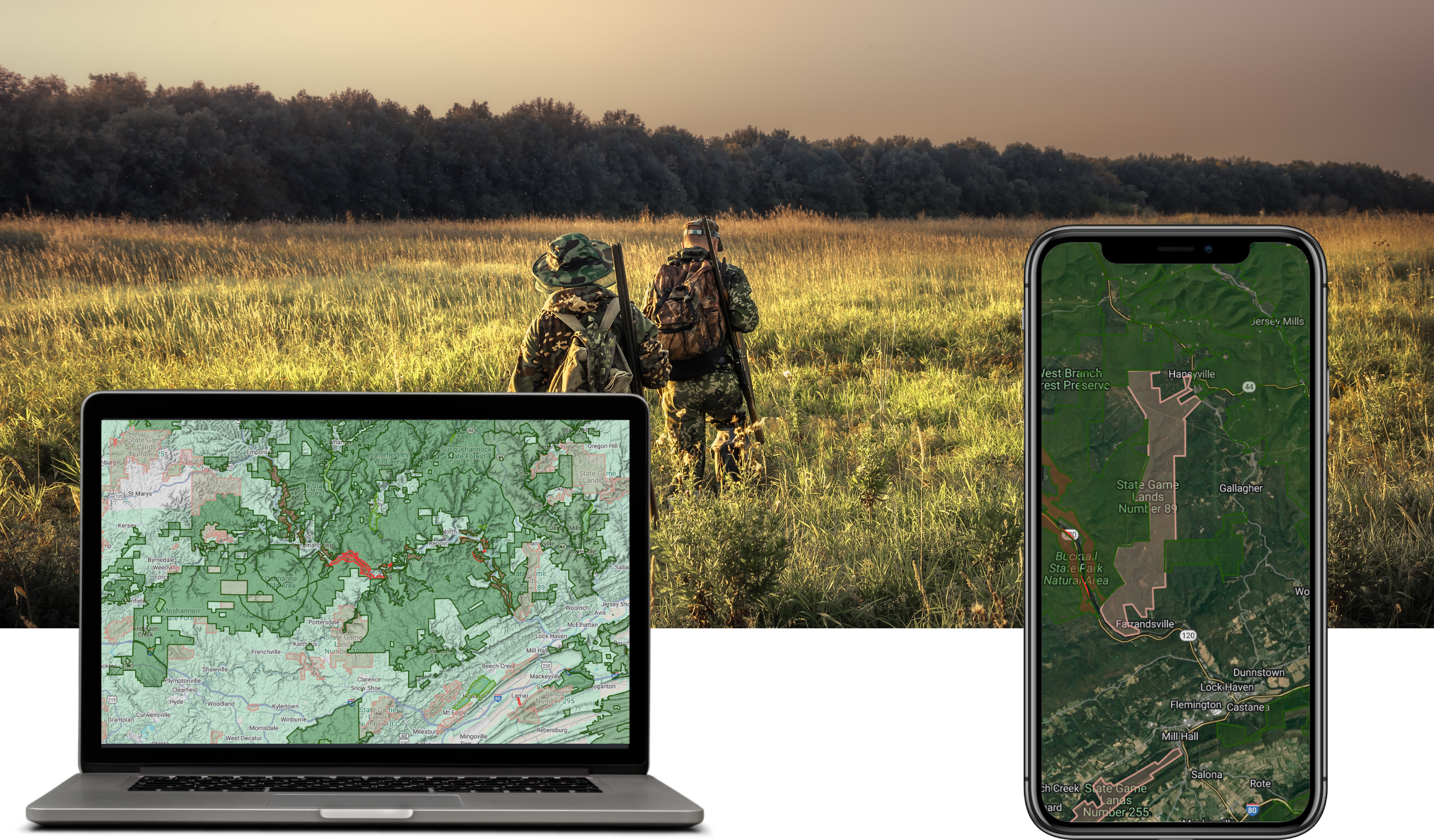
The Hunterizer app helps hunters navigate these rules by showing what species can legally be hunted at a specific location and date, along with hunting zones, season dates, bag limits, shooting hours, and other important regulations.
As Idaho considers changes to electronic tagging and CWD management, hunters should stay informed about new requirements before heading into the field. Hunterizer makes it easier to plan hunts and understand location-specific hunting regulations across Idaho and other supported states.