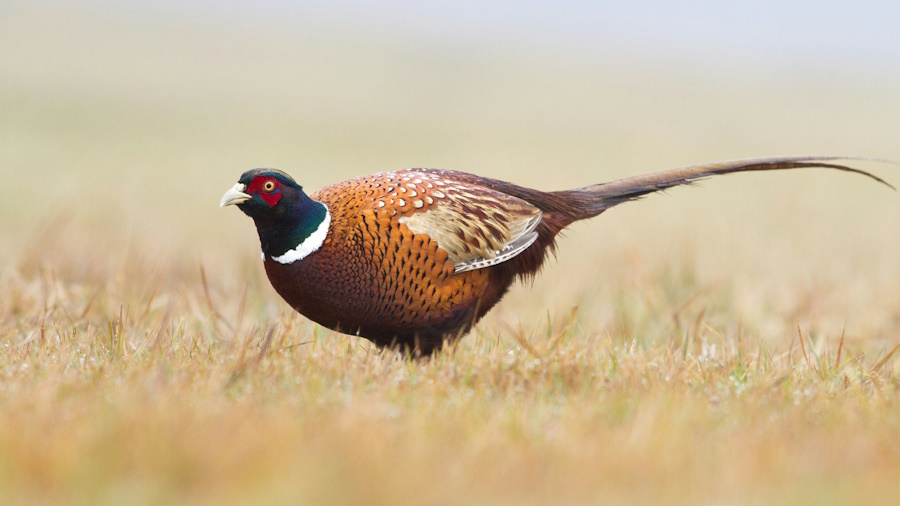
DNR plans to release about 65,000 pheasants this fall, 10,000 fewer than its recent target, while the statewide season opens October 17
Wisconsin pheasant hunters will see fewer stocked birds this fall as the Department of Natural Resources reduces its pheasant stocking program because of budget pressures.
The DNR plans to release approximately 65,000 ring-necked pheasants on more than 80 properties during the 2026 season. That is a reduction of 10,000 birds from the agency’s recent goal of approximately 75,000 pheasants stocked across 82 state-owned properties.
The change comes shortly before Wisconsin’s statewide pheasant season opens at 9 a.m. on Saturday, October 17.
Stocking Will Also End Earlier
Hunters will notice another significant change later in the season. Most stocking will conclude by November 19, and the late-season stocking normally conducted in December will not take place in 2026.
Preseason stocking will begin during the week of October 12 so birds are available for opening weekend. The DNR says birds will be released in larger numbers during individual stocking events, which could provide better opportunities for hunters who cannot reach a property immediately after birds are released.
The major exception is Richard Bong State Recreation Area, which operates a managed pheasant hunt. It will continue receiving pheasants during the week of November 30, and daily pheasant hunting permits are required there.
Why Is Wisconsin Stocking Fewer Pheasants?
The DNR says the reduction is driven by increasing costs and limited Wildlife Management Program revenue.
According to the agency, fees from hunting licenses and wildlife stamps have remained essentially unchanged for 21 years, while Wildlife Management Program costs have increased by an estimated 66%.
Raising pheasants has become considerably more expensive as well. The DNR says the cost of raising a pheasant increased from $6.91 per bird in 2021 to $9.80 in 2025. The cost of supplies needed to replace a pheasant pen more than doubled over the same period, from $3,060 to $6,915.
The reduction does not necessarily mean another cut is coming immediately. The DNR says additional spending authority approved by the Joint Finance Committee should allow the agency to maintain a stocking level of approximately 65,000 pheasants for 2027, although officials warn that additional reductions could eventually become necessary without additional revenue.
Wild Pheasant Numbers Offer Some Encouragement
There is better news for hunters when it comes to Wisconsin’s wild pheasant population.
The DNR’s 2026 spring survey recorded an average of 0.73 pheasants per stop. That was below the 0.81 recorded in 2025, but it remained well above the recent five-year average of 0.56. This is the third consecutive year that observations have exceeded the five-year average.
The highest pheasant abundance was recorded in the northwestern portion of Wisconsin’s pheasant range, while the lowest numbers occurred in the east-central region. The DNR also described the 2026 nesting and brood-rearing season as above average following a mild winter.
Longer-term habitat remains a challenge. The DNR points to declining enrollment in the federal Conservation Reserve Program and the resulting loss of stable grassland cover as factors contributing to Wisconsin’s long-term decline in wild pheasant populations.
Wisconsin’s 2026 Pheasant Season
The statewide pheasant season runs from 9 a.m. October 17, 2026, through January 3, 2027.
The daily bag limit is one rooster on October 17 and 18, increasing to two roosters per day for the remainder of the season. The possession limit is three times the daily bag limit. Hunters generally need a valid Wisconsin small-game license and a 2026 Pheasant Stamp.
Hunters should also pay attention to property-specific regulations. A number of stocked wildlife areas have special weekday noon closures through November 3, and Richard Bong State Recreation Area has additional shooting-hour restrictions.
Where Will Wisconsin Stock Pheasants?
The DNR provides two particularly useful resources for hunters looking for stocked birds.
The Pheasant Stocking Information database allows hunters to search by county or property and see property-specific stocking information:
https://apps.dnr.wi.gov/pheasantstocking/Index.aspx
Hunters can also use the DNR’s FFLIGHT (Fields & Forest Lands Interactive Gamebird Hunting Tool) to locate pheasant-stocked properties and view aerial imagery, topographic information and land-cover maps.
Wisconsin DNR pheasant hunting information:
https://dnr.wisconsin.gov/topic/hunt/pheasant
Because stocking frequency and timing can vary by property, hunters planning trips later in November should pay particular attention to the shortened 2026 stocking schedule.
Check Your Hunt With Hunterizer
October 17 is a busy opening day for Wisconsin hunters. In addition to pheasant, seasons opening that day include Ruffed Grouse Zone B, bobwhite quail, Hungarian partridge, southern-zone cottontail rabbit, Bobcat Period 1 and several furbearer seasons, while other hunting seasons are already underway.
The Hunterizer app helps simplify those overlapping seasons by showing hunters what they can legally hunt at their location on a particular date, along with applicable season dates, hunting zones, legal weapons, bag limits, shooting hours and other important regulations.
Before heading to a stocked property this fall, use the Wisconsin DNR stocking resources to find birds — and check Hunterizer to see what else is open where you’re hunting.