For hunters in northern Wisconsin, the danger isn’t only whether they’ll find game—it is whether every dog they turn loose will make it home.
Several hunting dogs have recently been killed by wolves in Wisconsin, continuing a pattern that has become one of the state’s most controversial wildlife management issues. The incidents have once again raised concerns among bear hunters, houndsmen, and rural communities over the expanding overlap between wolf territories and traditional hunting grounds.
A Long History of Wolf-Hound Conflicts
Wisconsin has experienced conflicts between wolves and hunting dogs for decades, particularly during bear training and bear hunting seasons in late summer.
Bear hounds often travel well ahead of their handlers while pursuing bears. If the dogs enter an active wolf territory—especially near a rendezvous site where pups are being raised—wolves may view them as intruders rather than prey and respond aggressively.
Although attacks occur throughout the year, July through September consistently represents the highest-risk period because wolf packs are actively defending pups and territories.
Last Year Saw One of the Highest Totals on Record
According to Wisconsin wildlife reports, approximately 40 hunting dogs were confirmed killed by wolves during 2025, making it one of the highest annual totals ever documented in the state and far exceeding historical averages. Previous record years generally ranged in the low-to-mid 20s.
The recent incidents suggest the problem has not disappeared as Wisconsin enters another hunting season.
While most dogs killed are bear hounds, wolves have also attacked dogs used for training and other hunting activities.
What the Wisconsin DNR Does
The Wisconsin Department of Natural Resources does not simply wait for conflicts to happen.
When a hunting dog is confirmed to have been killed by wolves, the DNR works with USDA Wildlife Services to investigate the incident. If wolves are responsible, officials establish or update Wolf Caution Areas around the attack site.
These caution areas are publicly available through an online mapping application that hunters can consult before turning dogs loose. The DNR also encourages hunters to:
- Check Wolf Caution Areas before hunting.
- Avoid known rendezvous sites.
- Keep dogs under closer control where practical.
- Exercise additional caution during bear training season.
- Immediately report suspected wolf attacks for investigation.
Why the Issue Is Becoming More Common
Several factors appear to be contributing to continued conflicts:
- Wisconsin maintains one of the largest gray wolf populations in the lower 48 states.
- Wolf territories now overlap many traditional bear hunting areas.
- Large packs defend territories aggressively during summer.
- Bear bait sites may attract both bears and wolves into the same locations.
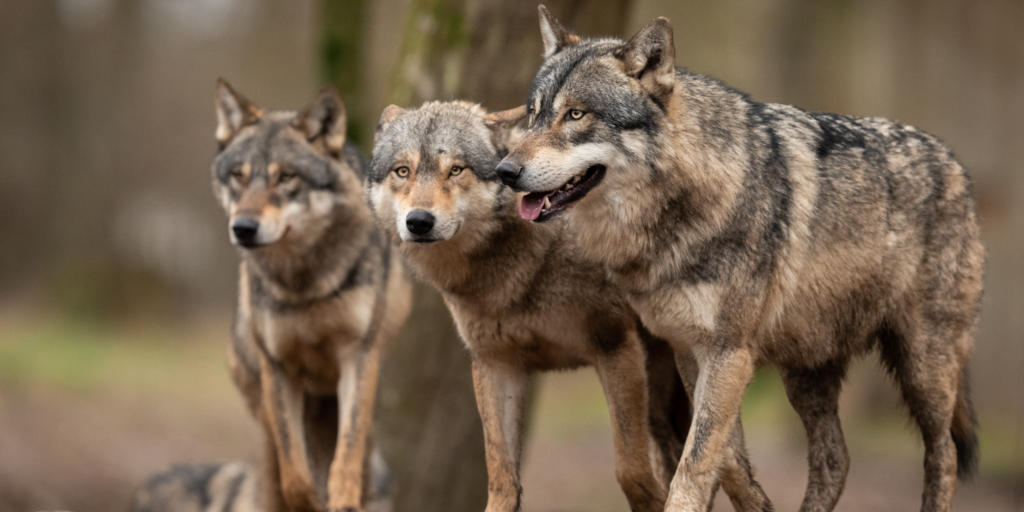
State estimates place Wisconsin’s wolf population at roughly 1,200 wolves in more than 300 packs, although recent surveys indicate the population has declined slightly for a second consecutive year while remaining relatively stable overall.
Are Wolves Dangerous to People?
This question often surfaces after highly publicized attacks on hunting dogs.
Biologists generally agree that healthy wild wolves rarely attack humans, and documented attacks in North America remain extremely uncommon. Wolves typically avoid people whenever possible.
However, wolves can pose risks in certain situations:
- Hunting dogs operating far from handlers.
- Livestock and pets near wolf territories.
- Habituated wolves that lose their fear of humans.
- Defensive encounters near dens or rendezvous sites.
While direct attacks on people are rare, many hunters point out that losing a trained hunting dog can represent not only a significant financial loss but also the loss of a trusted hunting partner developed over many seasons.
Management Remains Controversial
Wolf management continues to generate intense debate across Wisconsin.
Because gray wolves remain federally protected across Wisconsin under the Endangered Species Act, the state currently cannot conduct a regular public wolf hunting season. Lethal removal is generally limited to specific circumstances authorized under federal law, while the DNR focuses on monitoring populations, documenting depredations, maintaining Wolf Caution Areas, and working with USDA Wildlife Services to respond to conflicts.
Hunters, livestock producers, conservation groups, tribal nations, and wildlife advocates continue to disagree on what Wisconsin’s long-term wolf management strategy should be.
Hunterizer Helps You Hunt Smarter
For hunters planning trips in Wisconsin, understanding where wolf activity has been reported is becoming an increasingly important part of preparing for the season.
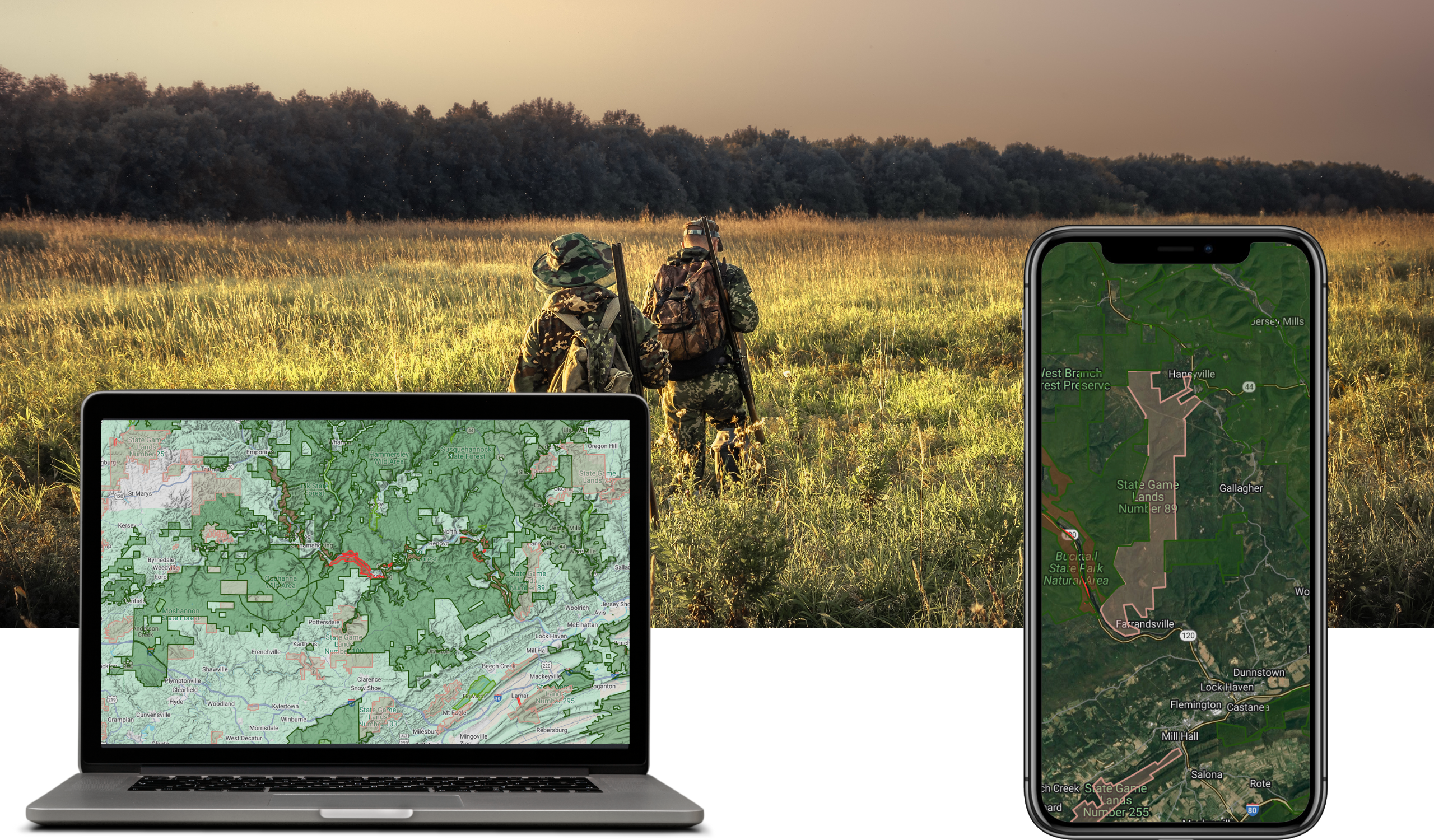
The Hunterizer app helps hunters stay informed with current hunting seasons, regulations, species information, and location-specific hunting guidance. Before heading into the field with your dogs, it’s worth checking both the latest Wisconsin regulations and any active DNR Wolf Caution Areas to reduce the risk of dangerous encounters.
No precaution can eliminate every risk, but informed planning remains one of the best tools hunters have for protecting both themselves and their canine partners.