Colorado Completes Largest Wildlife Overpass in US

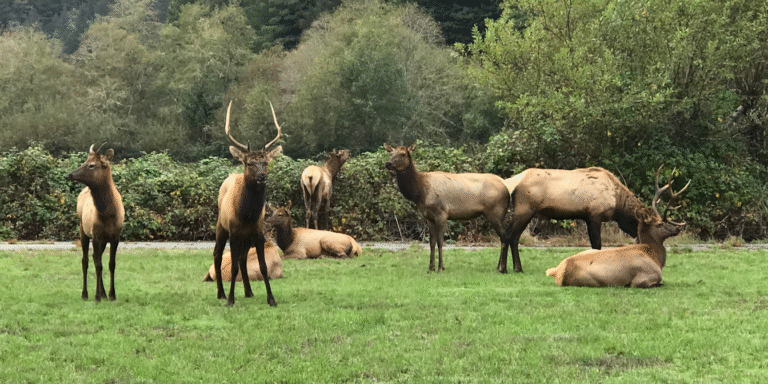
The Greenland overpass, North America’s largest wildlife crossing bridge, has been completed south of Denver, measuring 200 feet wide and 209 feet long, and is positioned along a vital migration route for antelope, deer, and elk. However, unseasonably warm weather has delayed wildlife migrations, preventing animals from using the bridge, which is expected to facilitate safer crossings and reduce vehicle collisions once winter conditions prompt migration. The project, costing approximately $15 million, fills a critical gap in wildlife crossings along Interstate 25 and aims to connect 39,000 acres of habitat.

Georgia DNR says hunting licenses make the perfect gift

The Georgia Department of Natural Resources suggests gifting hunting or fishing licenses this holiday season as ideal presents for outdoor enthusiasts. These licenses not only provide the recipient with opportunities for adventure but also support wildlife conservation efforts in the state, with options ranging from youth and annual licenses to lifetime licenses. Additionally, related outdoor merchandise is available to complement the gift.

Texas Wildlife Alert: Bird Flu Detected Statewide – What Hunters Need to Know

Texas wildlife officials are warning hunters and the public to stay alert as highly contagious bird flu has been detected statewide, spreading easily among wild birds and some mammals. While the risk to humans remains low, hunters are urged to avoid sick birds, use protective measures when handling game, and properly clean equipment.

California Quietly Resumes Mountain Lion Removals to Protect Bighorn Sheep

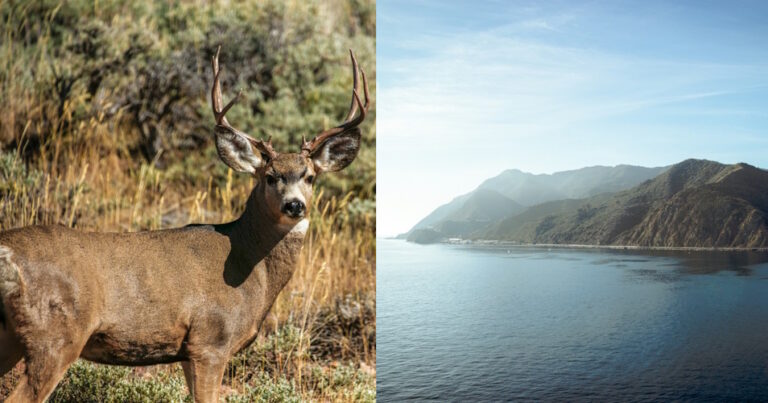
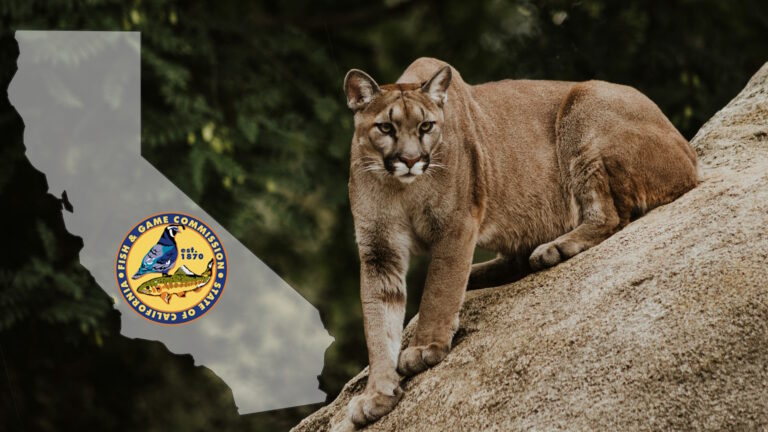
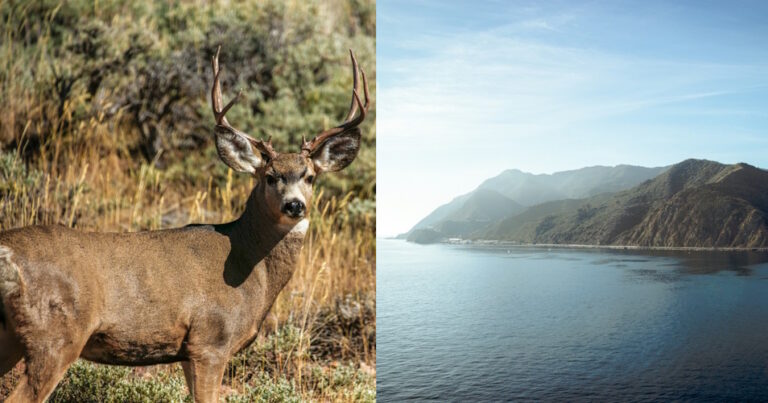
California wildlife officials have resumed removing mountain lions in the Eastern Sierra after relocations failed to stop mature males from killing endangered bighorn sheep. Hunters in the region pushed for the policy change, citing collapsing bighorn and mule deer numbers under heavy predator pressure. The move highlights a difficult balancing act between protecting predators and preserving vulnerable big-game herds.

KUIU Ultralight Hunting Acquired by a Collective of Conservation-Minded Families

KUIU Ultralight Hunting has been acquired by a group of conservation-minded families and businesses, including Cox Enterprises, while remaining a privately held company with CEO Melissa Woolf continuing to lead the brand. The investors claim to share a strong commitment to conservation, aligning with KUIU’s mission and future growth plans.

Black Bears Rebound in Texas, Raising Concerns About Human–Wildlife Conflicts

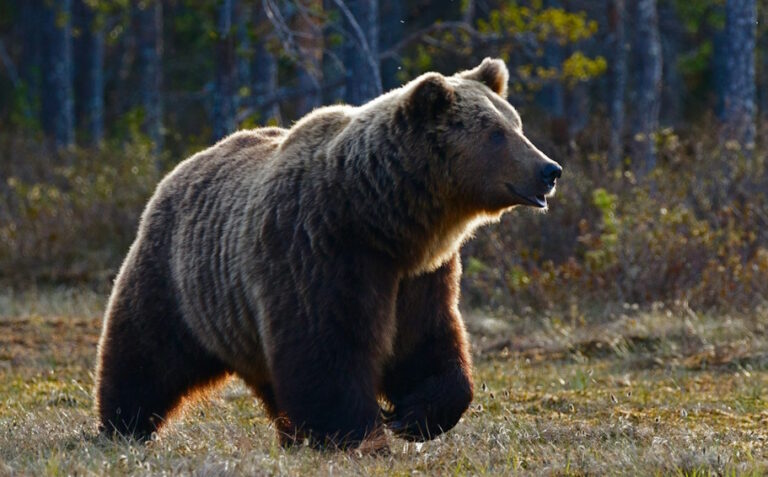
Black bears, once wiped out in Texas, are slowly returning as they move north from Mexico and recolonize parts of the state, leading to more sightings and rising human–bear conflicts. Researchers tracking the animals report that urbanization, drought, and easy access to human food sources are drawing bears into communities, sometimes resulting in dangerous encounters. While established populations remain limited to West Texas, bears are now appearing across a wider range – including East Texas counties – and wildlife officials urge residents to stay alert, follow safety guidelines, and report sightings since black bears are a protected species in the state.

NWTF Wisconsin, Partners Set to Invest $6M in Conservation Projects

The Wisconsin State Chapter of the National Wild Turkey Federation (NWTF) has approved $116,982 for conservation and $50,000 for education initiatives as part of the Hunting Heritage Super Fund for 2026, with additional support of over $6.2 million from partner funds. These projects aim to enhance turkey habitats, support wildlife research, and improve hunter access, while also promoting conservation education through various outreach efforts. The NWTF continues its mission to protect vital ecosystems and wildlife populations across Wisconsin.

Judge hears arguments in challenge to Montana’s wolf hunting, trapping seasons

Conservation groups have filed a lawsuit challenging Montana’s wolf hunting and trapping season after the U.S. Fish and Wildlife Service determined that gray wolves do not require federal protections. In a recent court hearing, arguments were presented regarding the potential impact of the state’s quota allowing the killing of up to 458 wolves, with concerns raised about the sustainability of the wolf population and the scientific validity of the state’s population estimation methods. The judge has yet to rule on a request for a temporary halt to the hunting season while the broader legal challenge continues.

Item added to cart.
0 items - $0.00