Interior Secretary Doug Burgum has signed a sweeping new order directing the U.S. Fish and Wildlife Service to strengthen habitat management and expand compatible hunting and fishing opportunities across America’s national wildlife refuges. The November 6, 2026, directive applies nationwide, including dozens of refuges in states covered by Hunterizer, and could eventually reshape public hunting access.
The U.S. Department of the Interior has announced a major initiative to reform the National Wildlife Refuge System, which includes hundreds of national wildlife refuges across the United States. Signed on November 6, 2026, Secretarial Order 3455, titled “Making America’s National Wildlife Refuges Great Again,” establishes new priorities for conservation, public access, staffing, and wildlife management.
The order accompanies a U.S. Fish and Wildlife Service (USFWS) review titled Rooted in Purpose, which outlines 29 recommendations intended to improve refuge operations and restore greater decision-making authority to local refuge managers.
Expanding Hunting and Fishing Opportunities
One of the most significant provisions for hunters is the directive to prioritize and facilitate compatible hunting and fishing opportunities on national wildlife refuges. The order also recognizes wildlife observation, photography, environmental education, and interpretation as priority recreational uses.
The USFWS review recommends appointing regional hunting and fishing coordinators and a national sportsmen’s access coordinator to identify opportunities for expanding access and improving consistency across refuges.
The order does not automatically open additional refuge lands to hunting. Any new opportunities must remain compatible with individual refuge purposes and comply with applicable federal regulations. Specific changes to hunting areas, species, seasons, and access requirements will depend on future agency decisions.
Which National Wildlife Refuges Could Be Affected?
Because the directive applies to the entire National Wildlife Refuge System, refuges in all 11 states currently covered by Hunterizer fall within its scope. Below are examples of prominent refuges where future changes in habitat management, staffing, public access, or hunting programs could become relevant.
California: Sacramento, Delevan, Colusa, Sutter, San Luis, Merced, Lower Klamath, Tule Lake, Humboldt Bay, and Don Edwards San Francisco Bay National Wildlife Refuges. Several already provide important waterfowl hunting opportunities, particularly in the Sacramento Valley and Klamath Basin.
Pennsylvania: Erie and John Heinz National Wildlife Refuge at Tinicum. Erie provides hunting opportunities in designated areas, while John Heinz operates limited mentored archery deer hunts.
Texas: Anahuac, Aransas, Hagerman, Laguna Atascosa, Balcones Canyonlands, and McFaddin National Wildlife Refuges. These refuges support a variety of wildlife and, where authorized, hunting opportunities for species including waterfowl, deer, and feral hogs.
Wisconsin: Horicon, Necedah, and Trempealeau National Wildlife Refuges. Horicon offers several hunting opportunities but generally restricts waterfowl hunting on the federal refuge, while Trempealeau manages separate hunting zones with different permit requirements.
Montana: Charles M. Russell, Benton Lake, and Lee Metcalf National Wildlife Refuges. These areas protect grassland, wetland, and river habitats and support hunting opportunities subject to refuge-specific restrictions.
Georgia: Okefenokee, Piedmont, Savannah, and Eufaula National Wildlife Refuges. Okefenokee, for example, currently permits hunting on approximately 3,822 acres in designated units, with specific permit and seasonal requirements.
New York: Iroquois, Montezuma, Wertheim, and Seatuck National Wildlife Refuges. Hunting opportunities and restrictions vary substantially among locations, and not every refuge allows general public hunting.
Michigan: Shiawassee, Seney, and Detroit River International Wildlife Refuge. These refuges provide important wetland and wildlife habitat, with hunting permitted in designated areas under individual refuge regulations.
Idaho: Camas, Deer Flat, Kootenai, and Minidoka National Wildlife Refuges. Camas currently offers waterfowl and upland bird hunting, as well as elk hunting under special regulations.
Tennessee: Tennessee, Cross Creeks, Hatchie, and Reelfoot National Wildlife Refuges. Tennessee and Cross Creeks offer opportunities for deer, turkey, small game, and certain migratory birds, although seasonal restrictions protect wintering waterfowl.
Washington: Columbia, McNary, Ridgefield, Conboy Lake, and Toppenish National Wildlife Refuges. Several provide established waterfowl and upland bird hunting opportunities, with site-specific permits, schedules, and access restrictions.
These examples are not a list of refuges selected for new hunting openings. The federal order does not identify individual refuges where hunting will be expanded, and it does not guarantee that any particular refuge will change its regulations. Rather, these locations are examples of federally managed wildlife areas covered by the broader policy directive.
Greater Emphasis on Active Wildlife Management
The directive encourages refuge managers to use a broader range of habitat management tools where appropriate. These include prescribed burning, active forest management, livestock grazing, targeted agricultural practices, water management, invasive species control, and predator management.
The administration argues that these measures can improve habitat conditions, support healthy wildlife populations, and make conservation efforts more effective.
The accompanying review also recommends strengthening refuge law enforcement, improving maintenance of public facilities, and redirecting staffing and resources from administrative offices toward field operations.
The Department of the Interior has identified a substantial deferred maintenance backlog across the Refuge System, making infrastructure improvements another important component of the initiative.
Stronger Coordination With State Wildlife Agencies
Another significant provision calls for closer cooperation between federal refuge managers, state fish and wildlife agencies, tribal governments, private landowners, and conservation organizations.
The recommendations include establishing partnership coordinators in all 50 states and improving coordination between federal and state hunting and fishing regulations where legally appropriate.
For hunters, better coordination could eventually mean clearer rules, more consistent access procedures, and additional hunting opportunities on refuges where wildlife conservation objectives permit.
When Will Changes Take Effect?
The order establishes a timeline for implementation. The USFWS Director must submit an implementation plan within 90 days of the order, followed by implementing policies, guidance, directives, or other actions within 180 days after submitting that plan.
This means the initial implementation plan is due in early February 2027, with additional administrative changes potentially following later in the year.
Safari Club International has welcomed the directive, describing it as an opportunity to strengthen conservation and expand responsible public access. The organization emphasized that hunting opportunities and habitat stewardship should complement one another.
For now, existing refuge hunting regulations remain in effect. Hunters should continue checking individual refuge rules, designated hunting areas, permit requirements, and seasonal restrictions before planning a hunt.
The full directive is available through the Department of the Interior’s Secretarial Order 3455. Additional details are available in the official USFWS announcement.
Plan Your Next Hunt With Hunterizer
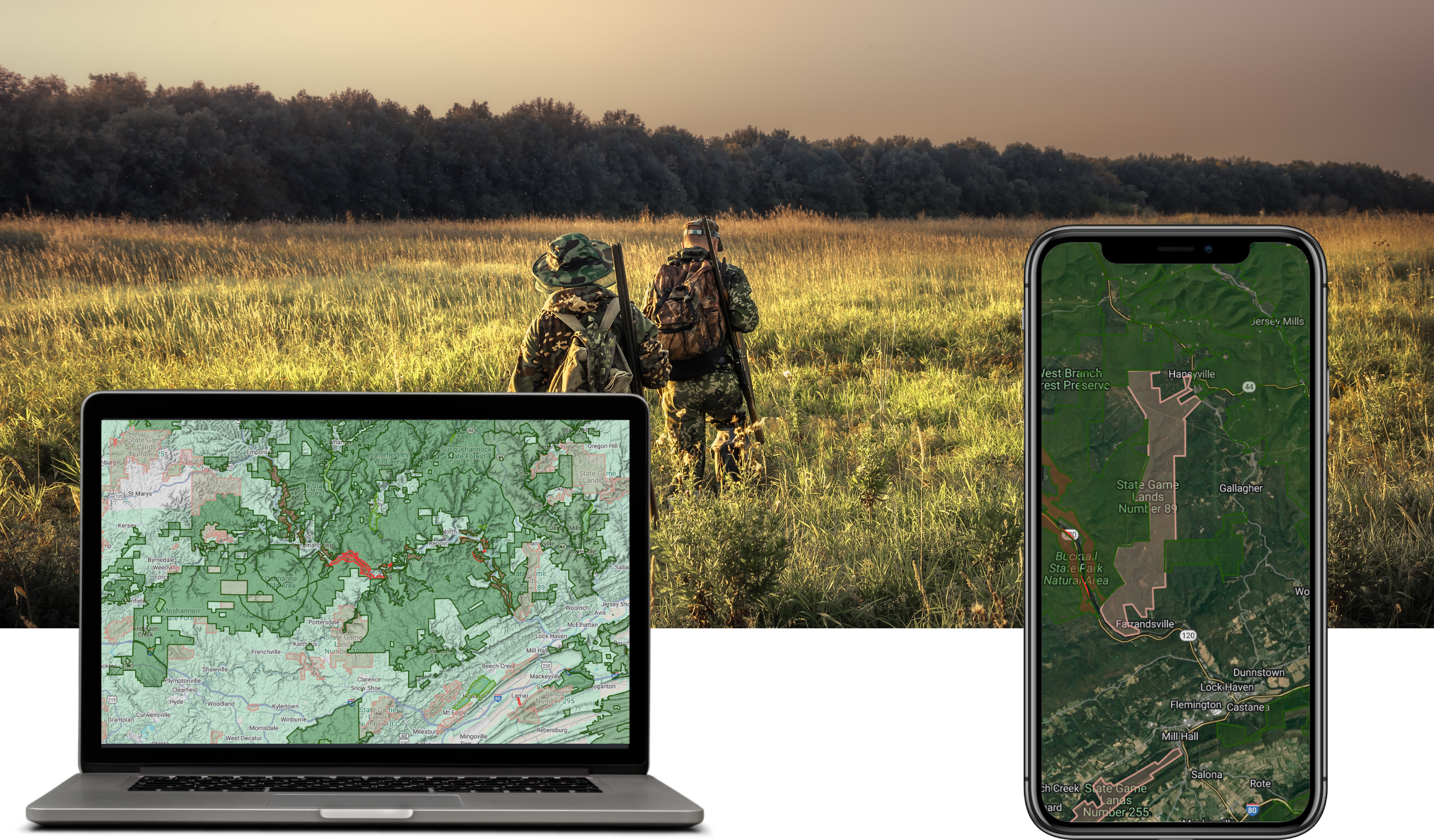
Whether you’re hunting on national wildlife refuges, state wildlife management areas, or other public lands, Hunterizer helps you understand what you can legally hunt at a specific location and date. The app provides hunting season dates, zone maps, legal weapons, bag limits, license and permit requirements, shooting hours, and other important regulations. As federal and state hunting opportunities evolve, Hunterizer makes it easier to plan your next hunt and stay informed about applicable hunting rules. Visit Hunterizer.com to learn more.