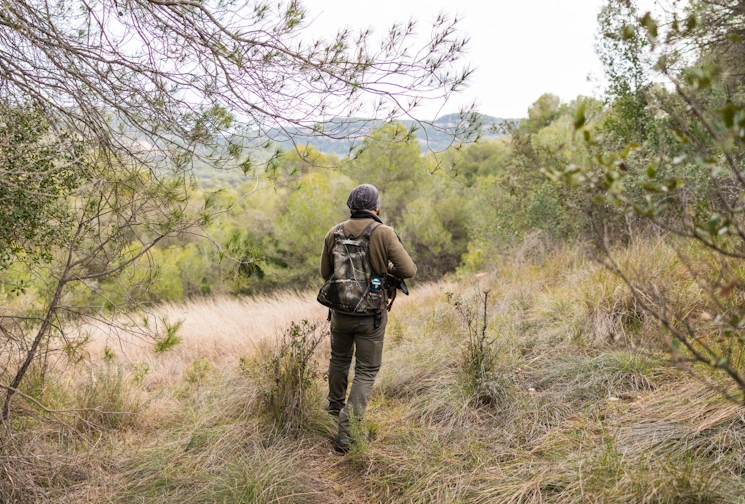
Colorado’s November 3, 2026 election delivered two important developments for hunters and wildlife conservation. Voters rejected a proposal to establish a constitutional right to hunt and fish, while a separate measure directing sporting goods tax revenue toward conservation held a narrow lead as ballots continued to be counted.
Colorado hunters received mixed news from the 2026 general election, with two ballot measures potentially affecting the future of hunting, wildlife management, and conservation funding in the state.
Right-to-Hunt Amendment Defeated
Amendment 83, which would have added the right to hunt and fish to Colorado’s Constitution, was rejected by voters. Preliminary results showed approximately 44.8% voting in favor and 55.2% opposed.
The proposed amendment sought to protect hunting and fishing as constitutionally recognized activities and establish them as preferred methods of wildlife management. Supporters argued that constitutional protection would help safeguard hunting traditions against future restrictions and ballot initiatives.
Opponents questioned the need for additional constitutional protections and raised concerns about limiting flexibility in wildlife management decisions.
The defeat comes two years after Colorado voters rejected a 2024 ballot initiative that would have prohibited mountain lion, bobcat, and lynx hunting. Although hunting remains legal and regulated by Colorado Parks and Wildlife, the latest election demonstrates that voters are not necessarily willing to provide hunting with additional constitutional protections.
Conservation Funding Measure Remains Close
Meanwhile, Proposition 137, a separate measure concerning conservation funding, remained too close to call in the initial post-election count. Preliminary results showed approximately 50.3% supporting the measure and 49.7% opposing it.
The proposal would direct existing sporting goods sales-tax revenue toward wildlife conservation, habitat protection, state parks, outdoor recreation, and wildfire prevention. Unlike a new tax, the measure focuses on how existing revenue is allocated.
For hunters, the outcome could affect resources available for wildlife habitat improvements, conservation programs, and management of public lands. With the vote separated by a narrow margin, additional ballot counting could determine the final result.
What the Election Means for Colorado Hunters
The two measures highlight different approaches to supporting hunting and wildlife conservation. Amendment 83 focused on establishing long-term constitutional protection for hunting and fishing, while Proposition 137 addresses the financial resources available for conservation and outdoor recreation.
The failure of Amendment 83 does not change existing hunting seasons, license requirements, or legal hunting methods. Colorado Parks and Wildlife will continue regulating hunting under current state law, while future policy debates may still involve the legislature, wildlife commission, and voters.
Hunters can use the Hunterizer app to stay informed about Colorado hunting opportunities, season dates, legal weapons, hunting zones, bag limits, and other regulations. Hunterizer helps hunters determine what species they can legally hunt at a specific location and date, making it easier to plan trips and stay compliant with changing hunting rules.