Washington’s 2026 modern firearm deer season begins this Saturday, bringing new opportunities for mule deer and white-tailed deer hunters. But mandatory disease testing, statewide baiting restrictions, and carcass transportation rules require extra attention before heading into the field.
Washington’s general modern firearm deer hunting season opens October 17, 2026, across much of the state. Thousands of hunters will head into the forests, mountains, and agricultural areas in pursuit of mule deer, white-tailed deer, and black-tailed deer. However, hunters should be aware of important regulations intended to prevent the spread of chronic wasting disease (CWD), particularly in eastern Washington.
The Washington Department of Fish and Wildlife (WDFW) has expanded disease-management requirements following the discovery of CWD in the state in 2024. Rules introduced in 2025 remain in effect for the 2026 hunting season, including mandatory testing in eastern Washington and a statewide prohibition on baiting deer, elk, and moose.
Deer Hunting Season Opens October 17
Washington’s modern firearm general deer season begins October 17 in many Game Management Units (GMUs), although closing dates, legal deer, and hunting opportunities vary by location.
Eastern Washington offers opportunities for mule deer and white-tailed deer, while western Washington is primarily known for black-tailed deer hunting. Depending on the GMU, hunters may be restricted to three-point bucks, other legal bucks, or specific antlerless opportunities authorized by permit.
Hunters should carefully review the regulations for their GMU before heading out. A deer that is legal in one unit may not be legal in another, and some units have different season dates or additional restrictions.
Mandatory CWD Testing Across Eastern Washington
One of the most important requirements affects hunters in Washington’s Eastern Region, covering all 100-series GMUs.
Anyone harvesting a deer, elk, or moose in these GMUs must submit a sample for CWD testing within five days of harvest. Hunters can satisfy this requirement by providing either the animal’s head with at least three inches of neck attached or the appropriate extracted lymph nodes.
This requirement applies throughout the 100-series GMUs, not just the Spokane-area units where CWD was initially detected.
WDFW has established check stations and sample collection options to assist hunters. During the October 17–18 opening weekend, staffed check stations are scheduled in locations including Colville, Deer Park, Republic, Walla Walla, and Pomeroy, with additional stations and collection opportunities available.
Failure to comply with mandatory CWD sampling requirements can result in serious penalties.
Statewide Deer Baiting Ban Remains in Effect
Another major change hunters need to understand is Washington’s statewide prohibition on baiting deer, elk, and moose.
The rule, which took effect in May 2025, prohibits using bait to attract these animals for hunting. The state also prohibits scent lures derived from deer, elk, or other cervid urine or glandular materials.
These restrictions are intended to reduce the concentration of animals in small areas, where infectious diseases such as CWD can spread more easily.
Unlike mandatory CWD testing, which currently applies to eastern Washington’s 100-series GMUs, the baiting prohibition applies statewide.
Carcass Transportation Restrictions
Hunters harvesting deer, elk, or moose in areas subject to CWD transportation restrictions must also pay attention to how they process and transport their animals.
Restrictions are designed to prevent potentially infected tissues, particularly brain and spinal material, from being transported into unaffected areas. Hunters may need to debone meat before moving it outside restricted areas, while properly cleaned skull plates, antlers, hides, and finished taxidermy products may be transported under applicable rules.
Hunters should review WDFW’s current carcass transportation regulations before taking an animal to a processor or transporting it home.
CWD has not been shown to infect humans, but health authorities recommend against consuming meat from animals that test positive for the disease.
Where to Find CWD Testing Information
WDFW provides current information on testing requirements, sample collection, check station locations, and transportation restrictions through its official website.
- CWD information for hunters: https://wdfw.wa.gov/species-habitats/diseases/chronic-wasting/info-for-hunters
- Testing locations and schedules: https://wdfw.wa.gov/species-habitats/diseases/chronic-wasting/cwd-testing
- 2026 hunting regulations: https://wdfw.wa.gov/hunting/regulations
Hunters should also remember that submitting a CWD sample does not replace the state’s regular harvest reporting requirements.
Plan Your Washington Deer Hunt With Hunterizer
With hundreds of hunting opportunities spread across Washington’s GMUs, different season dates, legal deer restrictions, and new disease-management requirements, understanding the regulations for a specific location is essential.
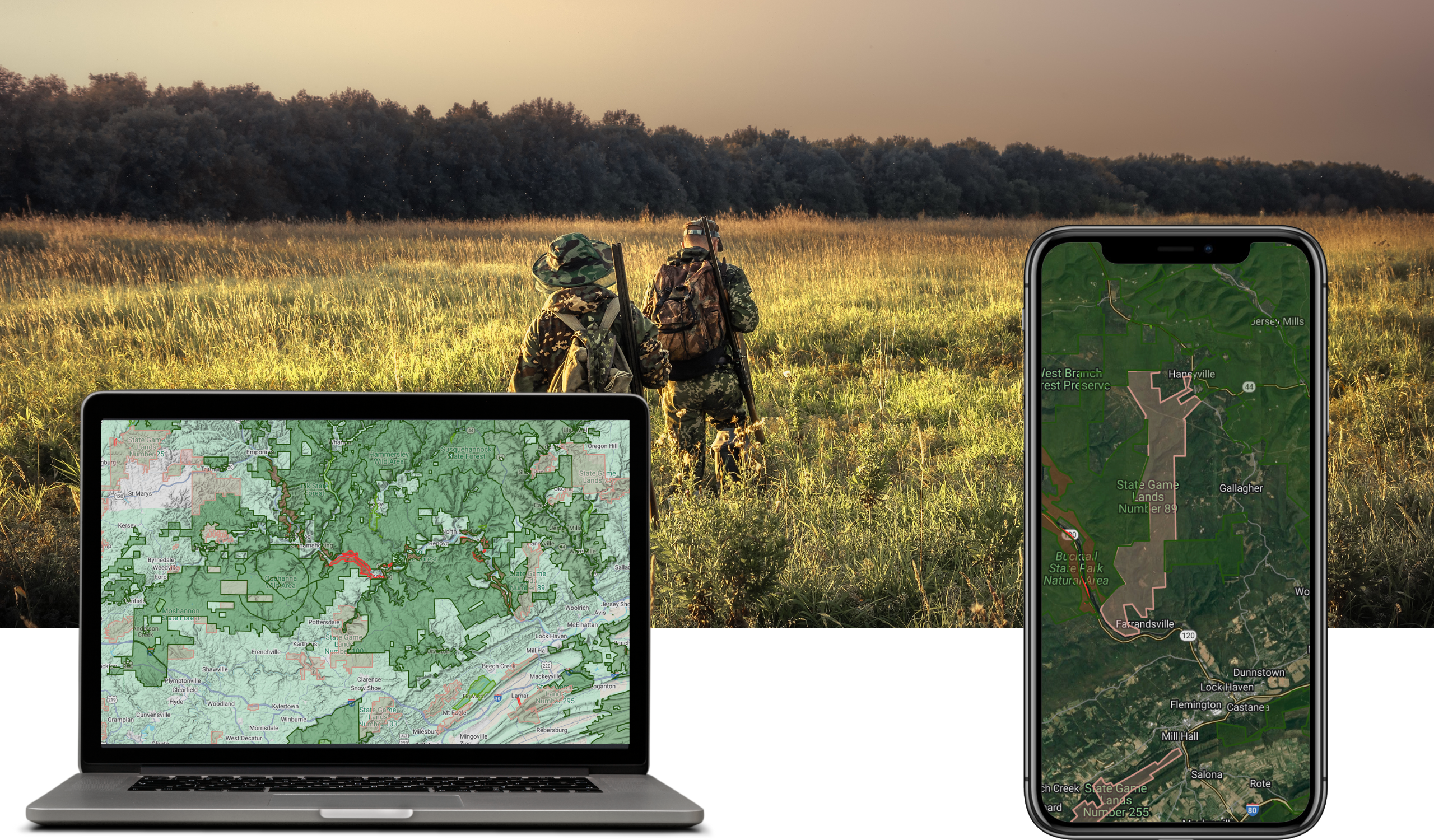
The Hunterizer app helps Washington hunters determine what they can legally hunt at their location on a particular date. It provides hunting season dates, GMU maps, legal weapons, bag limits, shooting hours, and other important regulations in one convenient place.
Whether you’re pursuing mule deer in eastern Washington, white-tailed deer near Spokane, or black-tailed deer west of the Cascades, Hunterizer makes it easier to plan your hunt and understand the rules before entering the field.