EHD has been detected in deer in Branch, Ingham, Jackson and Lenawee counties, and hunters are being asked to report sick or dead deer as officials track the outbreak ahead of Michigan’s fall deer seasons.
The Michigan Department of Natural Resources has confirmed the state’s first cases of epizootic hemorrhagic disease (EHD) in free-ranging white-tailed deer for 2026. The disease has so far been confirmed in Branch, Ingham, Jackson and Lenawee counties, all in southern Michigan. Testing was conducted by the DNR Wildlife Health Section and the Michigan State University Veterinary Diagnostic Laboratory.
The detections come at an important time for Michigan deer hunters. EHD typically appears during late summer and early fall, and transmission can continue until freezing temperatures kill the biting midges that spread the virus. The DNR says current EHD activity appears to be at levels similar to 2025, but additional counties could be added as reports and samples come in.
What Is EHD?
EHD is a viral disease primarily affecting white-tailed deer. It is transmitted through the bite of an infected Culicoides midge and does not spread directly from deer to deer. Outbreaks are often associated with late-summer conditions, particularly following a wet spring and hot, dry weather.
Infected deer can develop high fever and severe dehydration, which is why dead or sick deer are frequently discovered near ponds, creeks, rivers and other water sources. Hunters may see deer that appear lethargic, disoriented, lame or unusually unresponsive. Other possible signs include swelling around the head or neck, a swollen or blue-tinged tongue, and bloody discharge from the nose or mouth. Laboratory testing is required to definitively confirm EHD.
What Does This Mean for Michigan Deer Hunters?
The good news is that EHD generally does not cause significant long-term declines in Michigan’s statewide deer population. The effects, however, can be severe at the local level. A concentrated outbreak can kill substantial numbers of deer in a relatively small area while deer only a few miles away may be largely unaffected. The DNR notes that local impacts can remain noticeable for several years.
That makes EHD particularly relevant when hunters are deciding where and how many deer to harvest this fall. Michigan’s 2026 deer hunting preview specifically calls EHD a “wild card” for Southern Lower Peninsula hunters. The DNR cautions that even within an affected county, some areas may suffer significant mortality while other areas may still have high deer numbers and require substantial antlerless harvest.
EHD is not new to Michigan. In 2025, the disease was documented in 16 counties, including Berrien, Calhoun, Cass, Clinton, Eaton, Gratiot, Hillsdale, Ingham, Ionia, Jackson, Lenawee, Livingston, Mecosta, Saginaw, Van Buren and Washtenaw. Michigan has experienced considerably larger outbreaks in the past; in 2012, EHD was detected in as many as 30 counties.
DNR veterinarian Dr. Scott Larsen also says conditions in northern states may be changing. Warmer and wetter conditions can favor both the virus and the midges that transmit it, while a different EHD strain that has emerged in the region complicates development of immunity because immunity to one strain does not necessarily provide complete protection against another.
Is Venison Safe?
According to the Michigan DNR, there is no evidence that humans, household pets or other Michigan wildlife can contract EHD, and healthy deer harvested from an area where EHD has been detected are considered safe to eat. Hunters should, however, avoid consuming deer that appear visibly sick.
Hunters who encounter sick or dead deer—particularly multiple deer near water—are encouraged to report them through the DNR’s Eyes in the Field reporting system. Even after EHD has been confirmed in a county and additional laboratory testing is no longer necessary, reports remain valuable because they help wildlife managers determine the geographic extent and severity of the outbreak.
Michigan DNR EHD information and current affected counties:
https://www.michigan.gov/dnr/managing-resources/wildlife/wildlife-disease/wdm/ehd?utm_source=chatgpt.com
Hunterizer Helps Michigan Hunters Stay Ready
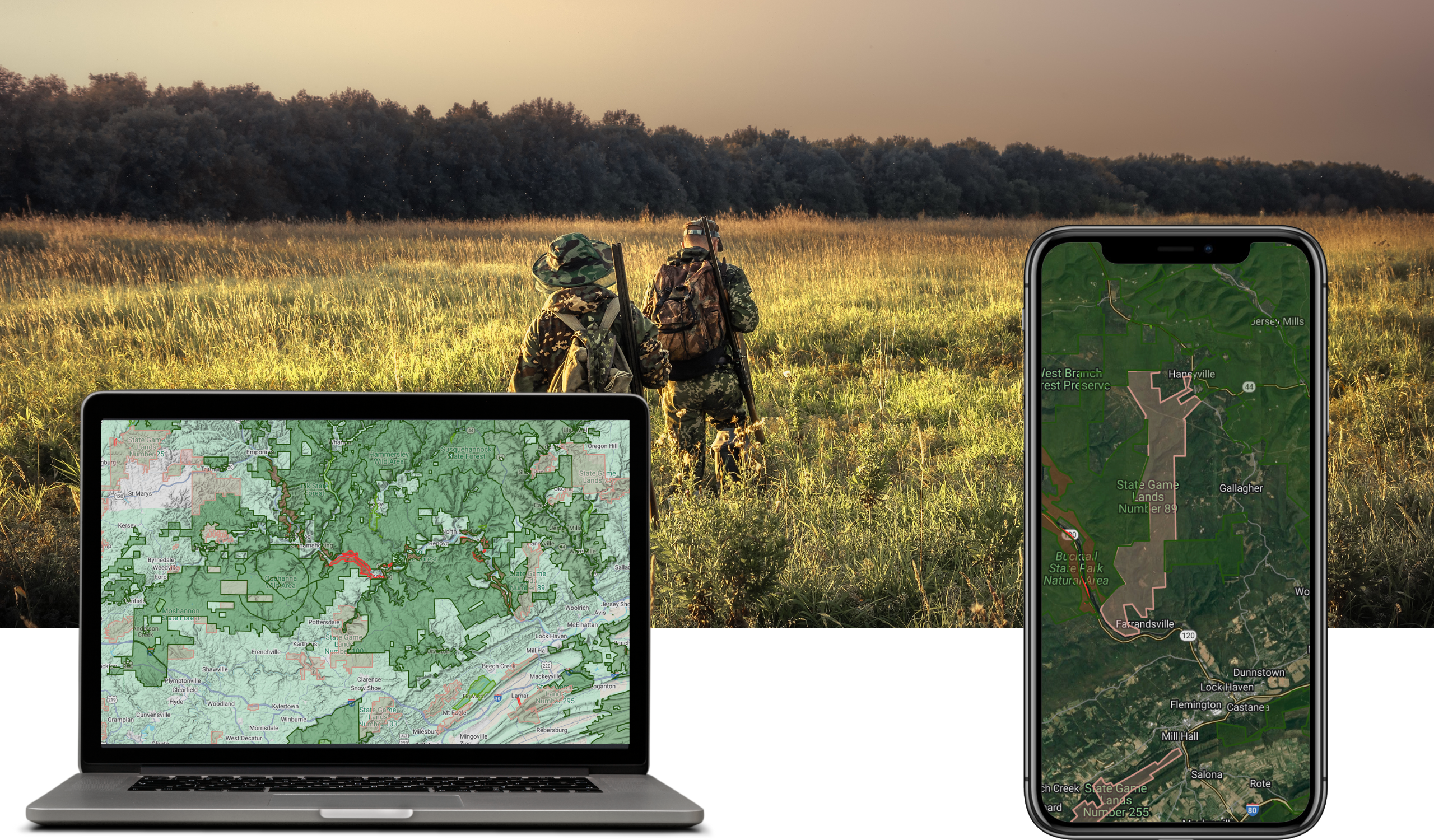
As EHD reports develop and Michigan’s deer seasons move forward, hunters should pay attention not only to statewide regulations but also to conditions affecting the deer herd where they actually hunt. Hunterizer puts Michigan hunting information in one place, including season dates, hunting zones, legal weapons, bag limits and other important regulations and maps.
Before heading into the field, open Hunterizer to check what’s currently open to hunt and review the rules that apply to your hunt. And if you encounter suspicious deer mortality while scouting or hunting this fall, report it to the Michigan DNR—those reports can help wildlife managers and fellow hunters better understand how EHD is affecting local deer herds.