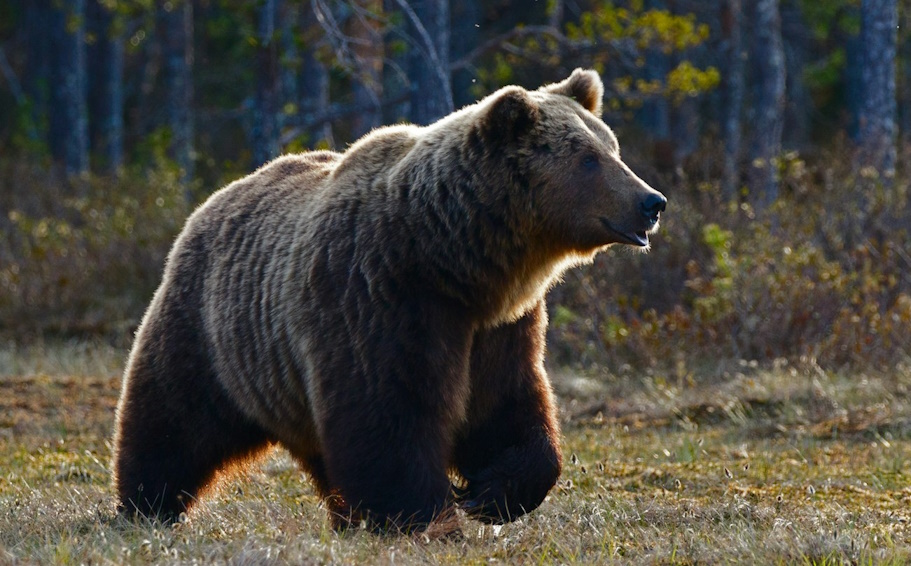
The U.S. Department of the Interior announced on July 14 a proposal that could significantly change how grizzly bears are managed across the Northern Rockies. While grizzly bears would remain protected as a threatened species under the Endangered Species Act (ESA), the proposal would give states and tribes substantially more authority to manage recovered populations on the ground.
For hunters in Montana, Idaho, Wyoming, and Washington, the announcement represents one of the biggest federal policy shifts on grizzly management in years—even though it does not reopen grizzly hunting.
What is changing?
The Department of the Interior is proposing revisions to a rule adopted during the final days of the previous administration. According to Interior Secretary Doug Burgum, the goal is to recognize successful grizzly recovery while allowing wildlife agencies to respond more efficiently to growing conflicts between bears and people.
If finalized, the rule would allow approved state and tribal wildlife agencies to take a much larger role in managing grizzly bears that have already met or exceeded federal recovery goals.
That could include:
- Relocating nuisance bears.
- Hazing bears away from communities and livestock.
- Removing bears involved in repeated livestock depredation or public safety incidents.
- Carrying out these actions under federally approved management plans instead of seeking individual federal authorization for many routine management decisions.
The Interior Department has opened a 30-day public comment period before making a final decision.
What is NOT changing?
One of the biggest misconceptions is that the proposal would immediately allow grizzly hunting.
It does not.
Grizzly bears would continue to be listed as Threatened under the ESA, meaning federal protections remain in place. Recreational hunting seasons cannot simply be opened because of this proposal. Any future grizzly hunt would almost certainly require additional federal action—such as delisting one or more recovered grizzly populations—or another specific change to federal regulations.
Why now?
Federal officials say grizzly recovery has become one of North America’s major wildlife conservation success stories.
When grizzlies were listed under the ESA in 1975, only a few hundred bears remained in the Lower 48 states. Today, the Northern Rockies support roughly 2,000 grizzly bears, with populations continuing to expand beyond their original recovery areas.
As bear numbers have grown, so have conflicts involving livestock, rural communities, outdoor recreation, and hunters.
Interior Secretary Doug Burgum said the proposal recognizes that western states now have experienced wildlife agencies capable of managing recovered populations while maintaining conservation goals.
Supporters and critics
The proposal has received strong support from many western elected officials, livestock producers, and hunting organizations, who argue that states have spent decades helping recover grizzly populations and should now have greater authority to manage them.
Wyoming Senator John Barrasso called the proposal a long-overdue return of management authority to western states while preserving ESA protections.
Conservation organizations disagree, arguing that reducing federal oversight could result in more lethal removals and make eventual delisting more likely. Several environmental groups have already indicated they are prepared to challenge any final rule they believe weakens protections for grizzly bears.
What it means for hunters
For hunters, the proposal is important because it moves wildlife management closer to the agencies that already manage elk, deer, moose, bighorn sheep, and wolves throughout much of the West.
State wildlife agencies could gain greater flexibility to address bears involved in livestock depredation, conflicts near communities, or public safety incidents without waiting for individual federal approvals.
However, hunters hoping for the return of regulated grizzly bear seasons should temper expectations. This proposal does not authorize hunting, and any future hunting opportunity would almost certainly depend on the successful delisting of recovered grizzly populations or further federal regulatory changes.
For now, the proposal represents a shift toward greater state management authority—not an end to federal protection.
Stay informed with Hunterizer
Major wildlife policy changes like this can affect hunting opportunities for years to come. Hunterizer keeps hunters informed with state-specific hunting news, season updates, regulations, interactive maps, and tools that tell you what you can hunt today. Whether you’re planning an elk hunt in Montana, bear hunting in Idaho, or deer season in Washington, Hunterizer helps you stay current with the latest changes before you head into the field.