CDFW survey points to stable mallards, fewer ducks overall, and promising habitat despite a dry year
California waterfowl hunters have a cautiously optimistic outlook heading into the 2026 season. The California Department of Fish and Wildlife (CDFW) has released its annual Waterfowl Breeding Population Survey, showing that while the state’s overall breeding duck population declined from last year, habitat conditions remained favorable enough to support good nesting success for many species.
For hunters, the takeaway is encouraging: expect hunting opportunities similar to recent seasons, although some species may be encountered less frequently than in 2025.
Overall duck numbers declined
CDFW estimated approximately 436,000 breeding ducks across California this spring—about 10% fewer than last year and 18% below the long-term average.
The survey is one of the most important biological assessments conducted each year. Since 1948, it has helped wildlife managers monitor breeding populations and contributes to the Pacific Flyway’s harvest management process.
Mallards remain the bright spot
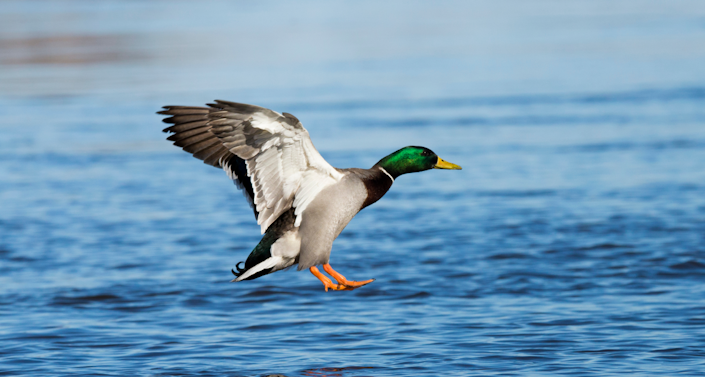
Mallards—the backbone of California’s duck harvest—were nearly unchanged from last year.
The survey estimated 267,101 breeding mallards, only 1% below 2025. Although still below the long-term average, CDFW concluded that breeding conditions were good and expects solid production from this year’s nesting season.
For hunters, that means mallards should continue to make up a large portion of the fall harvest.
Some popular species saw significant declines
Not every species fared as well.
Compared to 2025:
- Gadwall declined 44%
- Northern Pintail declined 32%
- Northern Shoveler declined 16%
- American Wigeon declined 66%
On the positive side, Cinnamon Teal increased 8%, continuing to provide encouraging news for California’s early teal hunting.
These breeding estimates don’t directly predict fall harvest numbers, but they provide an indication of which species hunters may encounter more—or less—frequently during the season.
Water conditions were better than expected
One of the biggest surprises in this year’s report is that breeding habitat remained in relatively good condition despite below-average precipitation across much of California.
Several factors helped offset the dry winter:
- strong reservoir carryover from 2025,
- full spring water deliveries for Central Valley wetlands,
- continued wetland habitat management,
- adequate water for rice production and seasonal wetlands.
Those conditions allowed many important breeding areas to remain productive throughout the nesting season.
Northeastern California remains a concern
Hunters who spend time around Tule Lake, Lower Klamath, or other northeastern wetlands should keep an eye on conditions.
CDFW reports that these areas started the nesting season with excellent habitat, but water supplies declined as spring progressed. Limited water deliveries later in the season could reduce wetland availability and increase the risk of avian disease.
Because northeastern California supports important breeding populations of ducks, resident Canada geese, and sandhill cranes, water availability there will be worth watching heading into fall.
Canada geese still above average
The survey also monitors California’s resident breeding Canada geese.
Their population declined 18% from last year, but remains 14% above the long-term average, suggesting resident goose hunting opportunities should remain generally stable.
What this means for California hunters
Overall, the 2026 breeding survey points toward another solid waterfowl season.
While total duck numbers are lower than last year, stable mallard populations and generally good nesting habitat are encouraging signs. Hunters may notice fewer gadwalls and some other species, but California’s primary waterfowl habitats appear to have produced a respectable hatch despite the dry conditions.
As always, weather during migration will ultimately determine where birds concentrate during the season, but the breeding outlook suggests California hunters can head into fall with plenty of reasons for optimism.
Stay ready with Hunterizer
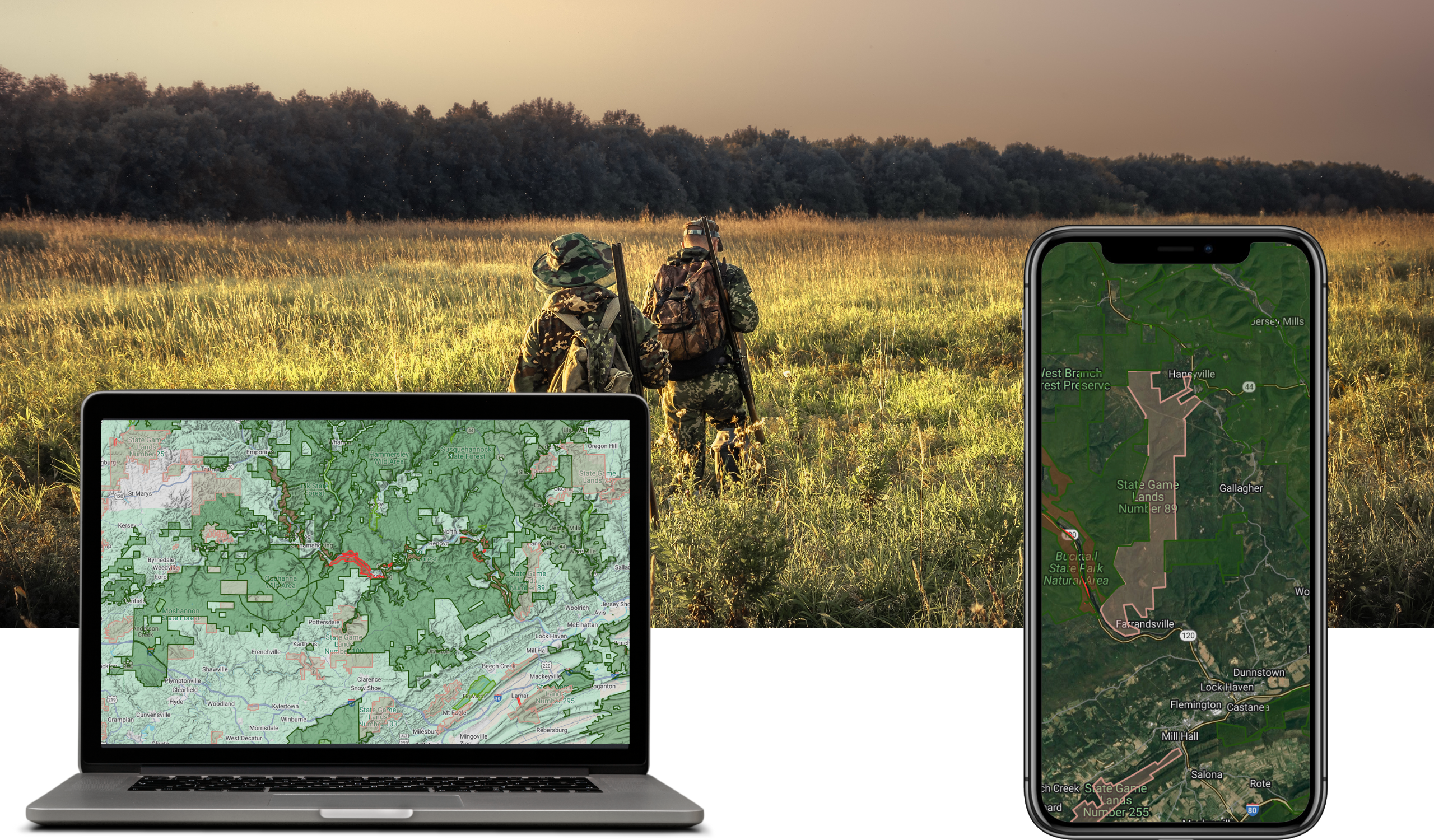
Whether you’re chasing ducks in the Sacramento Valley, the Delta, Suisun Marsh, or northeastern California, Hunterizer helps you stay legal and prepared. The app shows current waterfowl seasons, bag limits, shooting hours, species information, and hunting zone maps, so you always know what you can hunt at your location on any given day. And Hunterizer’s CA 2026-27 Hunting Atlas, a comprehensive guide to hunting in CA, provides you all you need to know for 2026-27 hunting season.
Full CDFW Report can be accessed here.