Wisconsin wildlife officials have announced that hunters will have unprecedented opportunities to participate in the 2026 black bear season, with the number of available hunting licenses reaching all-time highs. The Natural Resources Board recently approved recommendations from the Wisconsin Department of Natural Resources (DNR) that significantly expand tag availability to meet ongoing demand and support bear population management.
According to state data, more than 15,000 bear hunting licenses will be offered this year — the largest allocation in state history. The move marks a notable increase from recent seasons and is intended to give a broader cross-section of hunters a chance to draw a permit in the state’s lottery system.
Why More Licenses Now?
State wildlife biologists point to several reasons for the expanded license count:
– High interest in bear hunting: Recent license applicant numbers have climbed to record highs, with well over 140,000 people entering the statewide lottery in the last draw. Hunters of all experience levels are seeking tags, especially in zones where success rates are traditionally low.
– Population trends: While the statewide black bear population remains stable or growing in most regions, managers are adjusting harvest opportunities to help balance bears’ impact on habitats and human land use. Some regions have shown slower population growth or increased sightings in agricultural areas, prompting adaptive harvest strategies.
– Hunter success patterns: Because success rates vary widely by region — often lower in southern zones — wildlife officials are directing a larger share of additional tags to those areas to increase harvest opportunities and reduce pressure on the lottery waitlist.
Harvest Figures Provide Context
Preliminary results from the 2025 bear season show that hunters registered approximately 3,724 black bears during the fall harvest. That figure was close to the state’s long-term average, even though it fell slightly below the officially set harvest target, indicating robust bear numbers throughout much of Wisconsin.
Wildlife managers emphasize that regulated hunting remains an essential tool in sustaining healthy bear populations. Harvest data collected from tagged bears each year helps inform science-based decisions about future quotas and license allocations.
What Hunters Should Know
The upcoming fall season is scheduled to run this year from early September through mid-October. Licensing operates via the state’s Go Wild system and through authorized agents, and hunters are reminded to apply before the December deadline to retain accumulated preference points or to enter the lottery.
Hunters who plan well ahead can benefit from understanding how preferences, zone quotas, and drawing odds apply in different parts of the state. As license numbers continue to grow, so does the opportunity for more hunters to enjoy Wisconsin’s bear season, whether they seek a first-time tag or have years of experience afield.
Hunterizer App
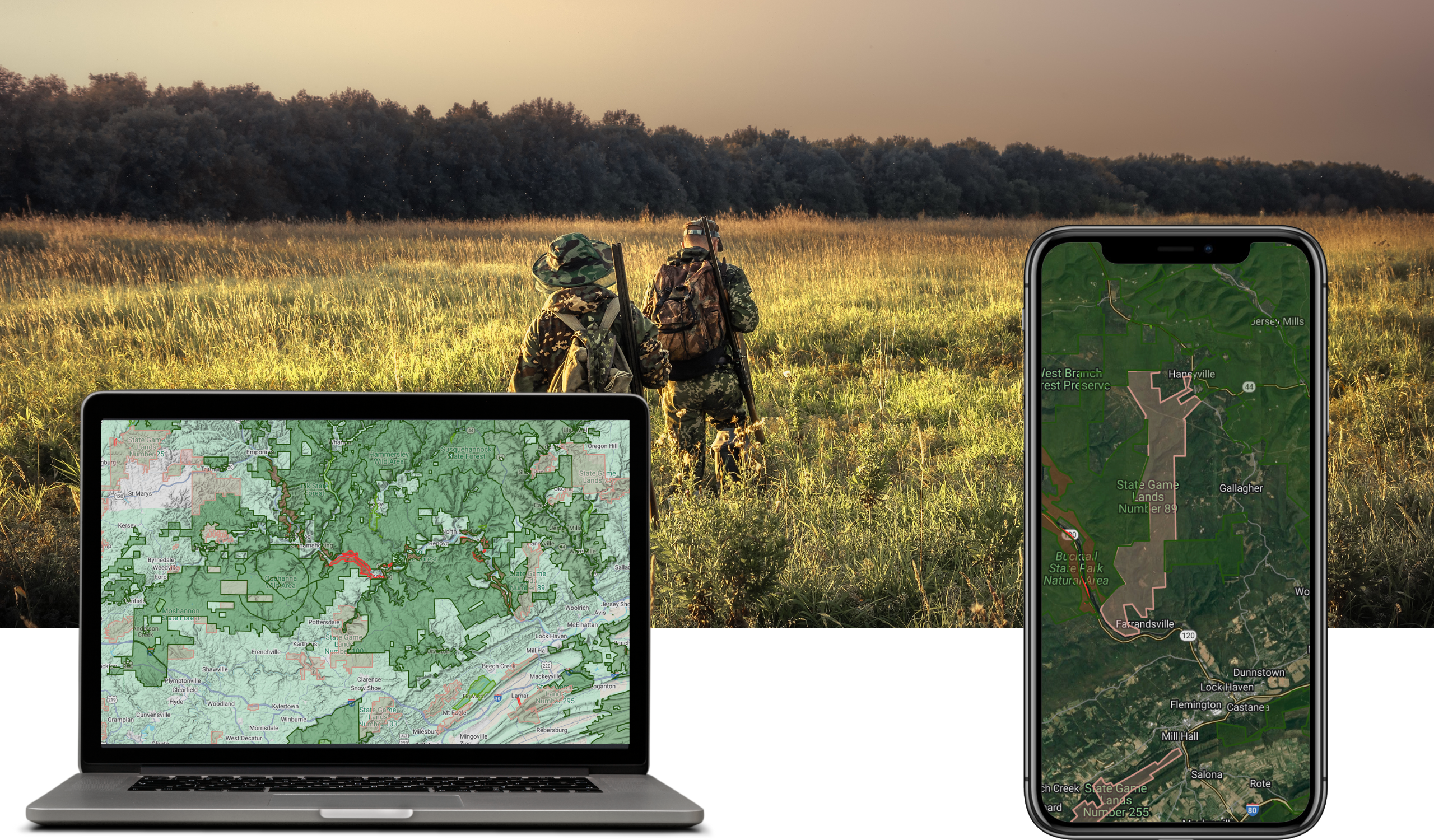
Hunting Wisconsin? See exactly what’s in season at your GPS location.
The Hunterizer app shows species, bag limits, and zone rules for your exact coordinates — for every county in Wisconsin.