Hunters, landowners, conservation groups, and state officials gathered in Glasgow on June 1–2 for a meeting of Montana FWP’s Private Land/Public Wildlife (PLPW) Advisory Committee. The meeting came just months after Montana FWP stated that corner crossing remains unlawful under Montana law and weeks after public-access groups filed a lawsuit challenging that position.
The committee was tasked by FWP Director Christy Clark with examining access issues related to corner-locked public lands and developing recommendations that could improve public access while respecting private property rights.
No Immediate Changes to Montana’s Corner-Crossing Policy
For hunters hoping the meeting would produce a definitive answer on whether corner crossing should be allowed, the result was less dramatic.
As of this writing, Montana FWP has not released official meeting minutes, recommendations, or a final report from the June 1–2 discussions. There is also no indication that the committee recommended changing Montana’s current position that corner crossing is unlawful.
Likewise, the agenda for the upcoming June 12 Montana Fish and Wildlife Commission meeting does not include a proposal to change the state’s corner-crossing policy.
For now, Montana hunters should assume that FWP’s existing guidance remains unchanged.
Why Corner Crossing Matters
Corner crossing occurs when a person moves from one parcel of public land to another at a single corner where two parcels meet, without physically touching the adjacent private land.
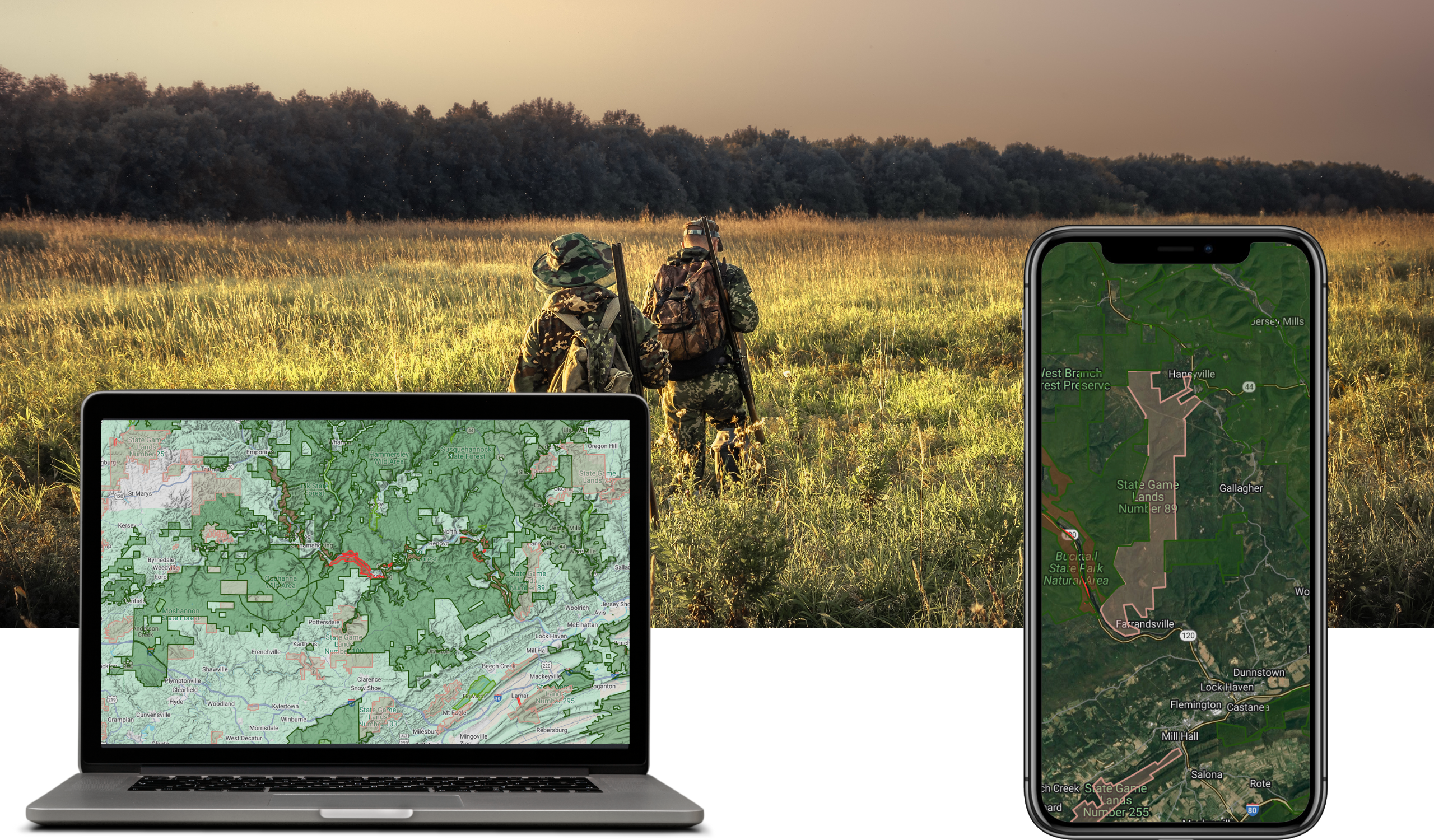
The issue is common across the West because of the checkerboard land ownership pattern created by historic railroad land grants. In Montana alone, public-access advocates estimate that approximately 871,000 acres of public land are effectively inaccessible because they can only be reached by crossing at a corner shared with private land.
Supporters of corner crossing argue that hunters and other recreationists should be able to access public lands that belong to all Americans.
Opponents argue that crossing a property corner can interfere with private property rights and expose landowners to liability, trespass disputes, and conflicts over access.
Lawsuit Keeps Pressure on FWP
The June meeting took place against the backdrop of a lawsuit filed in May by the Montana chapters of Backcountry Hunters & Anglers and the Public Land & Water Access Association.
The lawsuit challenges Montana FWP’s January statement that corner crossing is unlawful and asks the court to clarify public access rights under Montana law.
The case has become one of the most closely watched public-land access disputes in the state, with potential implications for hunters, landowners, and outdoor recreationists.
Focus Shifts Toward Access Solutions
Although the committee did not appear to reach consensus on the legality of corner crossing, much of the discussion reportedly focused on practical ways to improve access to corner-locked public lands.
Topics included:
- Expanding or improving Montana’s Block Management Program.
- Creating voluntary access agreements with landowners.
- Identifying high-priority corner-locked public lands.
- Exploring incentives for landowners who provide access routes.
- Utilizing new tools created by recent legislation to improve access opportunities.
One proposal receiving attention is the use of Montana’s recently enacted HB 763, which provides additional mechanisms for compensating landowners who voluntarily allow access to otherwise inaccessible public lands.
Many participants expressed support for finding solutions that increase public access without requiring lengthy court battles or creating new conflicts between hunters and landowners.
What Hunters Should Watch Next
The June meeting may not have resolved the issue, but it highlighted how important the debate has become for Montana hunters.
Several developments could shape the future of corner crossing in the coming months:
- Release of the PLPW committee’s official recommendations.
- Progress in the lawsuit challenging FWP’s interpretation of Montana law.
- Potential legislative proposals during future sessions.
- New voluntary access programs aimed at opening corner-locked public lands.
For now, Montana hunters should remember that FWP’s current position remains unchanged, and the legality of corner crossing continues to be disputed in both policy discussions and the courts.
Whether the eventual solution comes through legislation, litigation, or expanded access agreements, the June 1–2 meeting made one thing clear: access to Montana’s corner-locked public lands will remain a major issue for hunters and public-land users for years to come.