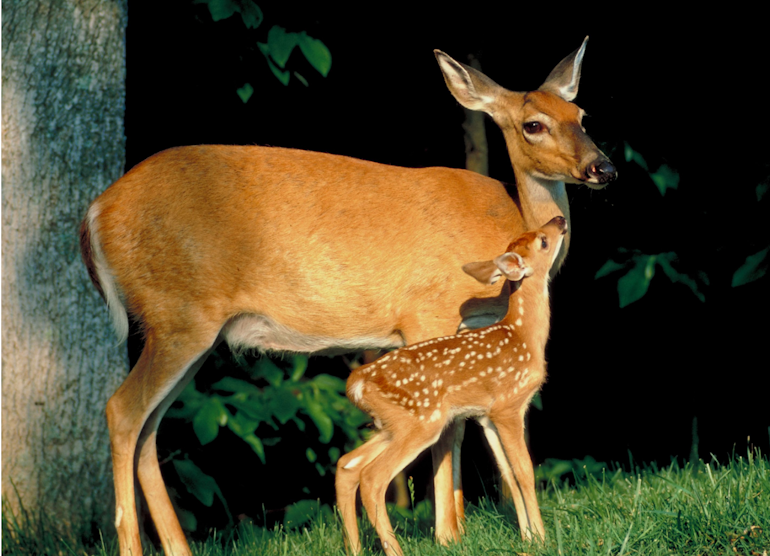
BOISE, Idaho — After one of the mildest winters in recent memory, early data from the Idaho Department of Fish and Game shows above-average survival rates for mule deer fawns and elk calves statewide, offering a positive outlook for Idaho hunters heading into fall.
Strong Survival Numbers Across the State
Biologists monitoring collared animals across multiple units report:
- 89% of mule deer fawns survived through February
- 99% of elk calves survived through February
Those figures are well above the long-term average, particularly for mule deer, where typical first-winter survival is around 60%.
To gather the data, wildlife crews captured and tracked:
- 188 mule deer fawns
- 75 elk calves
across 14 different game management units.
Compared to recent years, this winter ranks among the strongest for young animal survival—especially important following harsher winters that impacted herds in parts of Idaho.
Why This Winter Made a Difference
The primary driver behind the strong numbers is simple: lack of severe winter conditions.
- Reduced snowpack allowed easier access to forage
- Warmer temperatures lowered energy demands
- Less prolonged stress on young animals
Biologists described the winter as “one of the mildest in decades,” creating near-ideal conditions for overwinter survival.
For young deer and elk, winter is typically the most critical survival bottleneck, and harsh conditions can sharply reduce populations in a single season.
Critical Weeks Still Ahead
Despite strong early numbers, biologists caution that the most dangerous period isn’t over yet.
- March and April are often peak mortality months
- Fat reserves are depleted after winter
- Animals must transition to spring forage
A late-season cold snap or prolonged wet conditions can still impact survival, particularly for mule deer fawns. In some years, winter-related mortality continues into May.
What It Means for Idaho Hunters
Fawn and calf survival directly influence future hunting opportunities:
- More surviving fawns = more yearling bucks in upcoming seasons
- Strong calf survival supports stable or growing elk herds
- Better recruitment can lead to more tags or liberal seasons over time
Idaho managers rely heavily on this data when setting seasons, quotas, and opportunity levels each year.
After several challenging winters in parts of the state—especially in southeastern Idaho—back-to-back mild winters could help herds rebound faster than expected.
The Bottom Line
For Idaho hunters, the takeaway is clear:
- This winter was a win for deer and elk populations
- Herd recovery—especially for mule deer—may be gaining momentum
- Fall hunting prospects could improve if favorable conditions continue
As always, final survival numbers will be confirmed later in spring, but early indicators suggest Idaho’s big game herds are heading into 2026 in much better shape than recent years.
Hunterizer will continue tracking Idaho herd conditions and tag outlooks as the Idaho Department of Fish and Game releases additional spring and summer data.