New antlerless limits, digital tagging and disease concerns are among the changes Michigan deer hunters should know before heading into the woods
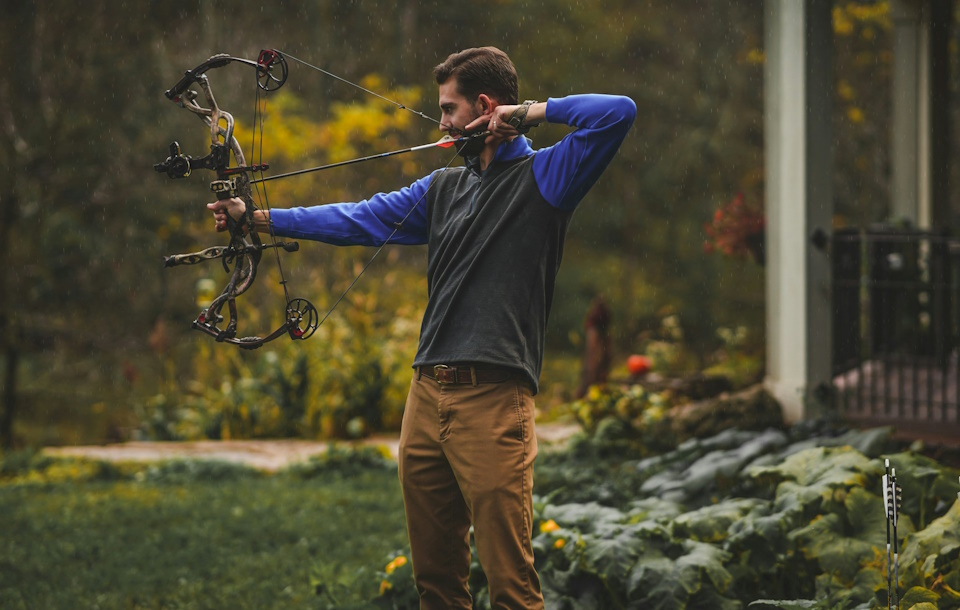
Michigan’s main archery deer season opens October 1, putting bowhunters back in the woods across both the Lower and Upper peninsulas. The early archery segment runs October 1 through November 14, followed by the regular firearm season November 15–30. Archery hunting returns for a late segment from December 1 through January 1, 2027.
While the basic October archery dates are familiar, several changes to Michigan deer regulations make 2026 different from previous seasons.
New Limits on Antlerless Licenses
One of the most significant changes is the introduction of location-specific use limits for universal antlerless deer licenses.
Hunters may still purchase as many as 10 universal antlerless licenses, but that does not necessarily mean all 10 can be used in the same place. Michigan has established limits by county in the Lower Peninsula and by Deer Management Unit in the Upper Peninsula. Hunters planning to take antlerless deer should check the limit for the specific area they are hunting before filling additional tags.
Antlerless opportunity remains particularly restricted in the U.P. following consecutive difficult winters. Michigan eliminated the U.P. antlerless access permit drawing for 2026 and rescinded DMUs 351 and 352. Universal antlerless licenses can be used in only six U.P. DMUs: 022, 055, 121, 122, 155 and 255, subject to the applicable use limits.
Digital Deer Tags Are Available for the First Time
The 2026 season also marks a major change in how Michigan hunters can tag deer.
Michigan expanded its eHarvest digital tagging system to deer beginning with the 2026 license year. Hunters who purchase their deer license through the Michigan DNR Hunt Fish app can receive an electronic kill tag and validate a harvested deer through the app. Cellular service is not required at the time of validation.
Digital tagging is optional. Hunters who purchase through eLicense or a retail agent can continue using traditional paper kill tags. Hunters using eHarvest generally do not need to attach a physical tag while they remain in possession of the deer, although a durable physical tag containing the license number is required in certain circumstances when the animal is left unattended.
Regardless of which tagging method is used, successful deer hunters must complete Michigan’s mandatory harvest report within 72 hours of harvest or before transferring possession of the deer, whichever occurs first.
Crossbows Are Legal for the Early Archery Season
Crossbows may be used throughout the October 1–November 14 archery season in both the Lower and Upper peninsulas.
The rules become different during the late U.P. archery season. Crossbows generally cannot be used there from December 1 through January 1 unless the hunter qualifies under specified exceptions. Beginning in 2026, that includes Michigan resident senior hunters holding an eligible senior deer license, in addition to hunters with qualifying disability permits.
EHD Is Active in Southern Michigan
Hunters in parts of southern Michigan also may encounter deer affected by epizootic hemorrhagic disease, or EHD.
Earlier this month, the DNR confirmed Michigan’s first 2026 EHD cases in wild deer from Branch, Ingham, Jackson and Lenawee counties. EHD is spread by biting midges rather than directly from deer to deer, and outbreaks generally end after freezing temperatures kill the insects.
The DNR says healthy deer harvested in areas where EHD has occurred remain safe to eat, although hunters should not consume animals that appear visibly sick. Hunters who find sick or dead deer are encouraged to report them through Michigan’s Eyes in the Field system so wildlife officials can track the extent of the outbreak.
CWD and Bovine TB Testing
Disease surveillance continues to be part of Michigan deer management. For 2026, the DNR is focusing bovine tuberculosis testing in Alcona, Alpena, Charlevoix, Cheboygan, Crawford, Iosco, Montmorency, Ogemaw, Oscoda, Otsego, Presque Isle and Roscommon counties.
Michigan is not conducting focused CWD collection in the Upper Peninsula this year. U.P. hunters who still want their deer tested can use free lymph-node extraction kits and submit samples to the Michigan State University Veterinary Diagnostic Laboratory.
Check the Rules Where You Hunt
Michigan deer regulations increasingly depend on exactly where a hunter is hunting. Antlerless limits, antler-point restrictions, disease-testing priorities and other rules can change between counties and DMUs.
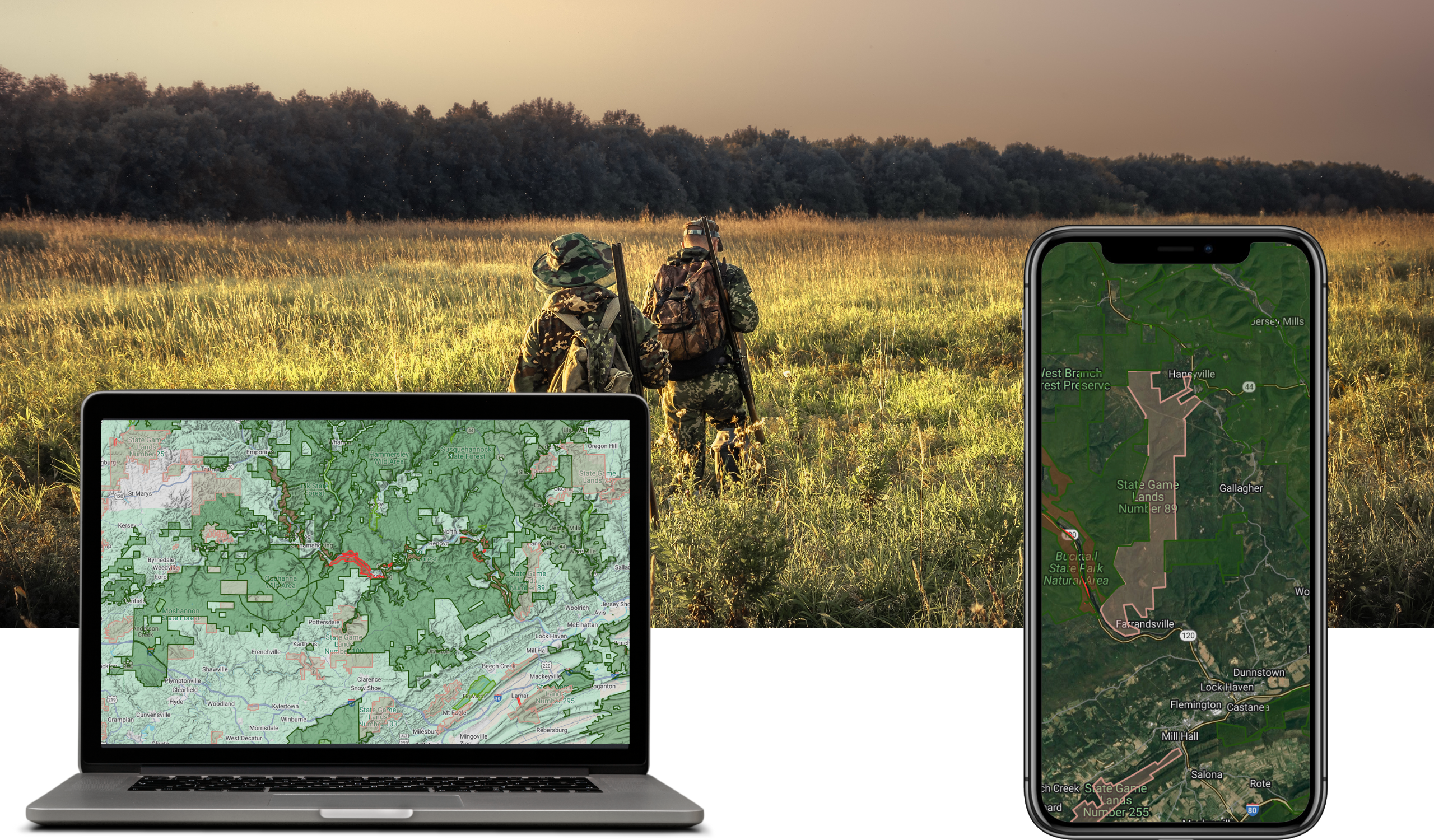
That is where Hunterizer can help simplify the hunt. Instead of sorting through statewide regulations every time you move to another area, Hunterizer helps hunters see what is in season at their location and date, along with hunting zones, legal weapons, bag limits, shooting hours and other important regulations.
Before heading into the woods for Michigan’s October 1 archery opener, check your location in Hunterizer and make sure you know the rules that apply where you plan to hunt.