Hunters in 27 states can now potentially buy qualifying suppressors without a Form 4 or ATF approval, while another 15 states still require the NFA process and eight states continue to prohibit suppressors under state law.
A federal court ruling that took effect August 13, 2026, has dramatically changed how suppressors can be purchased in much of the United States. For some hunters, a process that historically involved fingerprints, federal registration, ATF approval and a $200 tax can now look much more like purchasing an ordinary firearm.
But the change is not nationwide, and it does not mean that the National Firearms Act has disappeared. State laws vary considerably, and the court’s injunction protects specific plaintiffs and their members and customers rather than every gun owner in America.
Here is what hunters need to know — including where each state currently stands.
How Did We Get Here?
The National Firearms Act of 1934, commonly called the NFA, has regulated suppressors, short-barreled rifles (SBRs), short-barreled shotguns (SBSs), machine guns and certain other firearms for more than 90 years.
Traditionally, buying a suppressor required submitting an ATF Form 4, providing fingerprints and photographs, passing a background check, registering the suppressor and paying a $200 federal transfer tax.
Congress made the first major change in 2025. The One Big Beautiful Bill Act eliminated the $200 making and transfer tax for four categories of NFA firearms: suppressors, short-barreled rifles, short-barreled shotguns and Any Other Weapons (AOWs). The change became effective January 1, 2026.
The tax became $0, but the federal registration system remained.
That created an unusual legal situation. The NFA’s registration requirements had historically been upheld as part of Congress’s power to impose and collect the NFA tax. If Congress was no longer collecting a tax on these firearms, gun-rights organizations and firearms companies argued, what constitutional basis remained for requiring registration?
That question ended up before U.S. District Judge James Wesley Hendrix in the Northern District of Texas in Silencer Shop Foundation v. ATF, consolidated with Jensen v. ATF.
Judge Rules NFA Registration Cannot Be Supported by a $0 Tax
On August 5, Judge Hendrix sided with the plaintiffs on their constitutional challenge.
The court found that Congress had eliminated the NFA’s transfer and making taxes on suppressors, SBRs, SBSs and AOWs, while leaving behind regulations that historically existed to support collection of those taxes. Because those firearms no longer generate NFA tax revenue, the court concluded that the challenged regulations could no longer be justified under Congress’s taxing power.
The court permanently prohibited ATF and the Department of Justice from enforcing the challenged NFA provisions for these untaxed firearms against the plaintiffs and, where applicable, their agencies, political subdivisions, members and customers — including current and future members and customers.
The judge initially stayed his order for seven days, giving the federal government an opportunity to seek appellate relief. The order subsequently took effect on August 13, 2026.
This is important: the judge did not issue a nationwide injunction protecting every gun owner in the United States.
The protection is tied to the parties involved in the litigation.
Silencer Shop Customers Can Be Covered
Among the plaintiffs were Silencer Shop Foundation, Gun Owners of America, Gun Owners Foundation, Firearms Regulatory Accountability Coalition, B&T USA, Palmetto State Armory and SilencerCo, along with individuals and 15 states. The consolidated Jensen case included the Texas State Rifle Association, Citizens Committee for the Right to Keep and Bear Arms, FPC Action Foundation and others.
For hunters looking to purchase a suppressor, one of the clearest ways the ruling is currently being implemented is through Silencer Shop.
According to Silencer Shop’s guidance following the ruling, a hunter does not have to become a Silencer Shop Foundation member to qualify. A suppressor that originated through Silencer Shop — either purchased online or through a participating Powered by Silencer Shop dealer — can qualify for the new process in states where state law permits it.
That has created three basic categories of states.
27 States: Suppressor Without Form 4 Under the New Process
As of August 14, Silencer Shop identifies 27 states where qualifying suppressors can be treated as ordinary Gun Control Act firearms rather than requiring the traditional NFA Form 4 process:
Alabama, Arizona, Arkansas, Florida, Idaho, Indiana, Iowa, Kansas, Kentucky, Louisiana, Maine, Maryland, Minnesota, Missouri, Nebraska, New Hampshire, New Mexico, Oklahoma, South Carolina, South Dakota, Tennessee, Texas, Utah, Vermont, Virginia, West Virginia and Wyoming.
For a qualifying Silencer Shop purchase in one of these states, the customer purchases the suppressor and has it shipped to the selected dealer. At the dealer, the buyer completes the standard federal Form 4473 and passes a NICS background check. The suppressor can then be transferred without filing a Form 4, submitting fingerprints for NFA registration or waiting for ATF Form 4 approval.
In practical terms, that means buying a suppressor can now be much closer to buying a conventional hunting rifle in these states.
15 States: Suppressors Legal, But Form 4 Still Required
Another 15 states allow suppressor ownership but currently have state-law requirements that keep the traditional NFA process relevant:
Alaska, Colorado, Connecticut, Georgia, Michigan, Mississippi, Montana, Nevada, North Carolina, North Dakota, Ohio, Oregon, Pennsylvania, Washington and Wisconsin.
Hunters in these states can still legally obtain suppressors if they meet the applicable requirements, but Silencer Shop says the standard Form 4 process continues because of state law. That means registration information, fingerprints and other required information are submitted and ATF approval must be received before pickup.
There is one major improvement compared with the old system: the federal transfer tax is now $0 instead of $200.
8 States Still Prohibit Suppressors
Suppressors remain prohibited for ordinary civilian possession under state law in:
California, Delaware, Hawaii, Illinois, Massachusetts, New Jersey, New York and Rhode Island.
Washington, D.C. also prohibits them.
The Texas federal court ruling does not override those state prohibitions. A hunter in California, for example, cannot use the federal decision as authorization to purchase and possess a suppressor contrary to California law.
What About Short-Barreled Rifles and Short-Barreled Shotguns?
The court’s constitutional reasoning also involved short-barreled rifles and short-barreled shotguns, but hunters should not assume that SBRs and SBSs can now simply be purchased over the counter.
There is another federal law standing in the way.
According to Silencer Shop’s current guidance, SBRs and SBSs still require a Form 4 in all states where they can legally be purchased because of a separate requirement under the federal Gun Control Act. Silencer Shop says the Form 4 is currently the form ATF makes available to satisfy that GCA approval requirement. The federal tax, however, is now $0.
So for hunters, the immediate practical impact of the August ruling is overwhelmingly about suppressors, not short-barreled hunting rifles or shotguns.
Why Suppressors Matter to Hunters
Suppressors have increasingly become a hunting issue rather than simply a firearms-policy issue. They do not make a hunting rifle silent, but they can substantially reduce muzzle blast and help reduce the shooter’s and nearby hunters’ exposure to damaging noise.
They can also make shooting more comfortable, particularly when hunting with children, mentoring new hunters or shooting from enclosed blinds where muzzle blast can be especially severe.
Whether a suppressor can legally be used while hunting is a separate question from whether it can legally be owned or purchased. Hunters should therefore check their state’s wildlife regulations, species-specific restrictions and rules for the property on which they plan to hunt before heading into the field with one.
This Could Still Change
Hunters should also recognize just how new this development is.
The court issued its decision on August 5, and the injunction only took effect on August 13. The litigation could continue, appellate courts could alter the decision, additional courts could address the same constitutional question, and states could amend their own laws in response.
Even Silencer Shop advises customers that this remains an active legal matter and that the legal landscape could change.
For now, however, the change is significant. Hunters in 27 states now have a pathway for qualifying suppressor purchases without the traditional Form 4, NFA registration, fingerprints and ATF preapproval. Hunters in 15 additional states can legally own suppressors but must still follow the Form 4 process, while eight states continue to prohibit ordinary civilian suppressor possession.
That represents one of the largest changes to federal suppressor regulation since the National Firearms Act was enacted in 1934.
Check Your State’s Hunting Rules in Hunterizer
Firearm ownership law is only part of the equation. Hunters also need to know whether a particular firearm, suppressor or hunting method is legal for the species, season and location they are hunting.
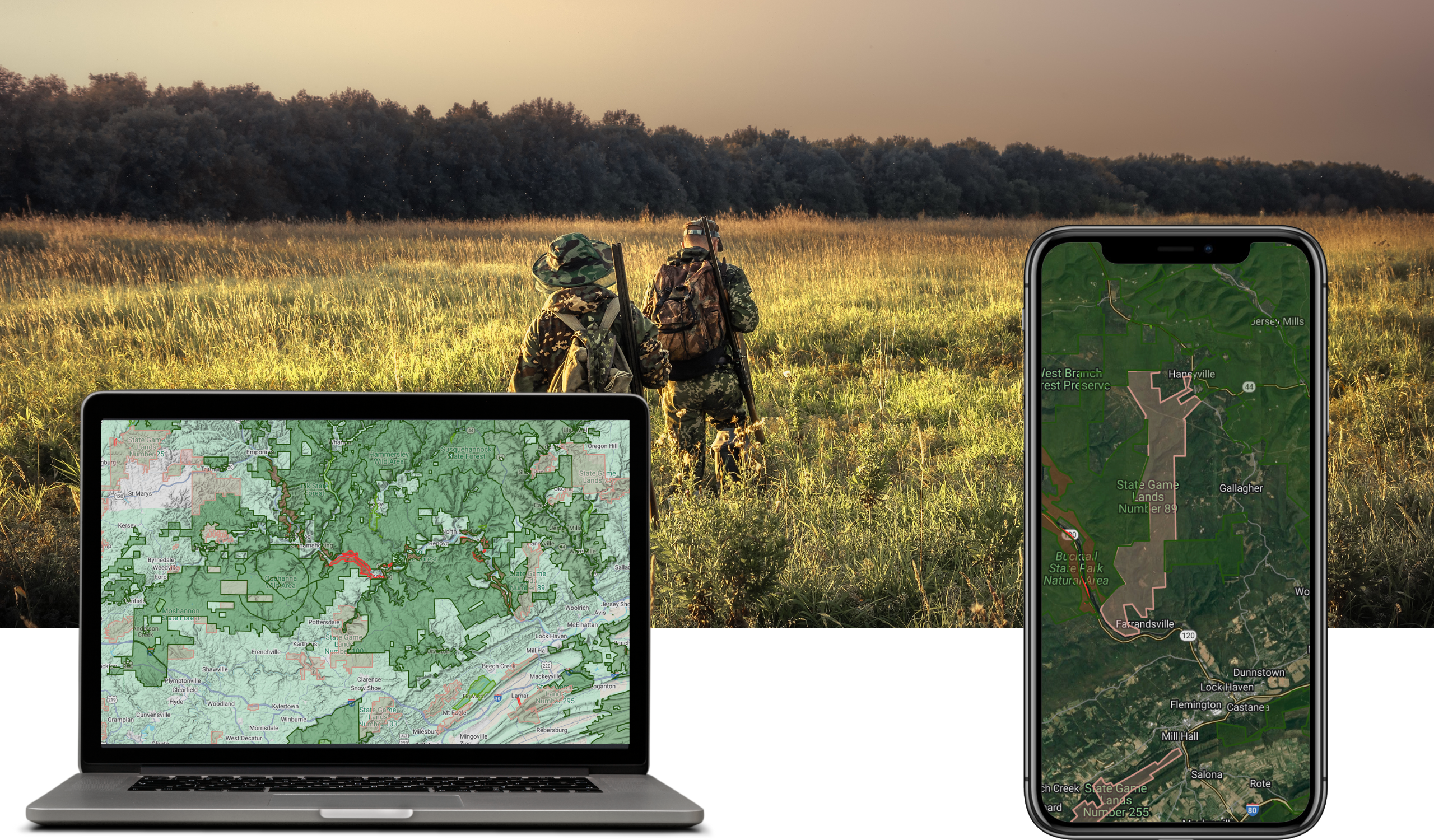
The Hunterizer app helps hunters keep track of state hunting seasons and regulations, including weapon restrictions, hunting zones, shooting hours, bag limits and other rules for dozens of game species. As states respond to major changes in federal firearms law, hunters should always verify both firearm law and current wildlife regulations before taking new equipment into the field.
Important: The state classifications above reflect the situation as of August 14, 2026 and Silencer Shop’s current implementation of the federal injunction. This is a rapidly developing legal issue and is not legal advice.